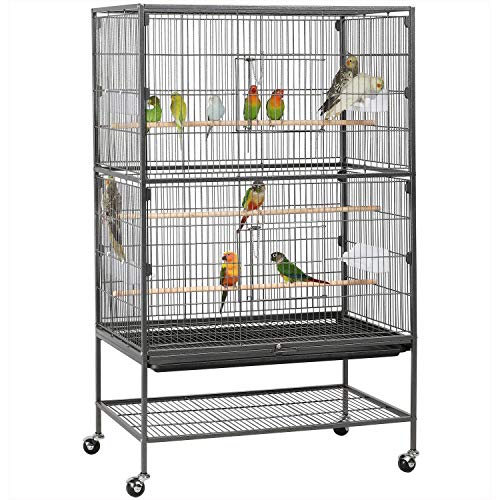
If you own a bird, you know that keeping their cage clean is a constant job. Between droppings, scattered food, and the occasional feather, it can be tempting to reach for a powerful cleaner. But birds have extremely sensitive respiratory systems, and many household products are toxic to them. That’s why many bird owners turn to baking soda, a gentle, non-toxic powder found in most kitchens. But is baking soda actually safe for bird cages? The short answer is yes, with important caveats. When used properly, baking soda can be a great tool for removing stains and odors without exposing your bird to harsh chemicals. Let’s break down exactly how to use it, what risks to watch for, and when you should skip it entirely.
Why Baking Soda Is Considered Safe for Birds
Baking soda, or sodium bicarbonate, is a mild alkaline compound that works as a gentle abrasive and deodorizer. Unlike bleach, ammonia, or many commercial sprays, baking soda does not release toxic fumes that can harm a bird’s delicate lungs. It is also non-toxic if ingested in small amounts, which is important because birds often explore their environment with their beaks. Many avian vets and experienced bird owners recommend baking soda as a safe cleaning option for cages, perches, and toys. However, safety depends entirely on how you apply it. Never let your bird come into direct contact with dry baking soda powder, as inhaling it can irritate their respiratory tract. Always use it as a paste or solution, and rinse everything thoroughly before returning your bird to the cage.
Baking soda has been used for decades in zoos and aviaries to clean bird enclosures because it is inexpensive and effective at neutralizing odors without harming birds. Just remember: it’s a cleaner, not a disinfectant. For killing bacteria or viruses, you’ll need a bird-safe disinfectant like diluted vinegar or a product specifically labeled for avian use.
How to Safely Clean a Bird Cage with Baking Soda
To use baking soda safely, start by removing your bird and placing them in a separate, well-ventilated room. Take all accessories out of the cage, including perches, toys, and food dishes. For a general clean, mix a paste of three parts baking soda to one part water. Apply this paste to soiled areas like cage bars, tray corners, and perches. Let it sit for 10 to 15 minutes to loosen grime, then scrub with a soft brush. Rinse everything thoroughly with warm water, making sure no white residue remains. For tougher stains, you can add a small amount of mild dish soap to the paste, but rinse extra well. Dry the cage completely before putting your bird back. If you have a Mynah bird, you might also find this method useful for cleaning their cage after baths, which you can read more about in our guide on how to bathe a Mynah bird.
When Baking Soda Can Be Dangerous
While baking soda is generally safe, there are scenarios where it can cause problems. Never use baking soda on a hot surface or mix it with acidic substances like vinegar in an enclosed space, as this creates carbon dioxide gas that could displace oxygen. Also, avoid using baking soda on porous materials like untreated wood perches, as it can get trapped in the grain and be ingested later. If your bird has a history of respiratory issues, it’s best to avoid any powder-based cleaner altogether. For birds that are already showing signs of illness, such as lethargy or wheezing, check our guide on signs of illness in Mynah birds for more information, and always consult your vet before introducing new cleaning products into your bird’s environment.
“A clean cage is a happy cage, but a safe clean is what keeps your bird breathing easy.”
Alternatives to Baking Soda for Bird Cage Cleaning
If you’re not comfortable using baking soda, or if your bird has a sensitive respiratory system, there are other safe options. White vinegar diluted with water (one part vinegar to three parts water) is a popular natural disinfectant that is safe for birds once dry. Another option is a commercial bird-cage cleaner that is labeled as non-toxic and fume-free. For daily spot cleaning, a damp cloth or paper towel works well. When choosing perches and toys, opt for materials that are easy to clean without harsh chemicals. If you’re considering a Mynah bird, their cage size and setup matter a lot for cleanliness, so check our guide on Mynah bird cage size requirements for tips on choosing a cage that is easy to maintain.
How Often Should You Clean a Bird Cage with Baking Soda?
Daily maintenance should involve removing droppings and uneaten food, and wiping down perches with a damp cloth. A deep clean with baking soda or another safe cleaner should happen once a week. If you have multiple birds or a large cage, you might need to do this more often. Pay special attention to the cage tray and corners where bacteria can build up. For birds that are prone to feather plucking, a clean environment can reduce stress and irritation. Learn more about this behavior in our article on why does my Mynah bird pluck its feathers, as cleanliness can play a role in prevention.
What About Using Baking Soda for Bird Baths or Grooming?
Some owners wonder if baking soda can be added to a bird’s bath water to help with odor or feather condition. This is not recommended. Baking soda can dry out a bird’s skin and feathers, and if ingested during preening, it may cause digestive upset. Stick to plain, lukewarm water for baths. If your bird has a specific skin issue, ask your vet for a safe solution. For general grooming tips, especially for Mynah birds, our guide on are Mynah birds good pets includes helpful advice on daily care routines.
Ultimately, baking soda can be a safe, effective part of your bird cage cleaning routine if you follow the right steps. Always prioritize your bird’s health by keeping them away during cleaning, rinsing thoroughly, and choosing the right method for your specific bird’s needs. When in doubt, ask your avian veterinarian for personalized advice.