You love your cat, and you love your houseplants. But when you bring home a sleek bamboo stalk, that familiar worry creeps in: is this going to make my cat sick? It’s a smart question. The short answer is that true bamboo (from the Bambusoideae family) is non-toxic to cats. But here’s the catch: many plants sold as ‘lucky bamboo’ or ‘heavenly bamboo’ are not bamboo at all, and some can be dangerous. Let’s clear up the confusion so you can keep your green space and your cat happy.
What Is True Bamboo and Is It Toxic to Cats?
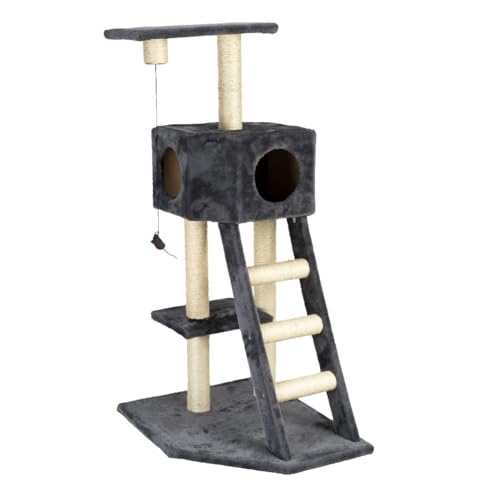
True bamboo is a type of grass, not a woody plant. According to the ASPCA, true bamboo is considered non-toxic to cats, dogs, and horses. That means if your cat takes a curious nibble on a fresh bamboo leaf or stalk, you don’t need to panic. The biggest risk is usually a mild stomach upset from eating too much plant matter, not poisoning. However, the tough, fibrous stalks can be a choking hazard or cause a blockage if large pieces are swallowed, so it’s still best to discourage chewing. For a safer alternative to satisfy your cat’s scratching and climbing instincts, check out our guide to the Top 5 Cat Scratching Posts which are designed to be much more appealing than your houseplants.
The Dangerous Imposters: Lucky Bamboo and Heavenly Bamboo
This is where things get tricky. ‘Lucky Bamboo’ (Dracaena sanderiana) is not bamboo at all, it’s a member of the asparagus family. It is toxic to cats, causing dilated pupils, drooling, vomiting, and weakness. ‘Heavenly Bamboo’ (Nandina domestica) is also not true bamboo and contains cyanogenic glycosides, which can be highly toxic, especially if a cat eats a large amount of the berries or leaves. Always check the scientific name on the plant tag before bringing it home. If you see Dracaena or Nandina on the label, keep it far away from your cat. If you’re looking for a safe, engaging way to keep your cat entertained indoors, consider a Best Cat Scratching Barrels and Posts for Happy Cats instead of a risky plant.
Why Is My Cat Chewing on Bamboo Anyway?
Cats chew on plants for several reasons. Sometimes it’s boredom, sometimes it’s curiosity, and sometimes it’s an instinct to get fiber to help pass hairballs. The texture of bamboo leaves can be oddly appealing to a cat’s mouth. If your cat is consistently going after your bamboo, it might be a sign they need more enrichment or a dietary adjustment. Adding a high-fiber food can help reduce that urge. Take a look at our recommendations for the Cut Indoor Hairballs: Top Cat Food Reviewed to see if a diet change could solve the problem. Also, make sure your cat has plenty of appropriate things to chew on, like cat grass (wheatgrass or oat grass) which is safe and actually good for them.
True bamboo is one of the fastest-growing plants on Earth, with some species growing up to 35 inches in a single day! Your cat might be fascinated by the movement, but it’s still not a toy. Provide a dedicated cat grass planter to redirect that grazing instinct.
How to Cat-Proof Your Bamboo (If You Keep It)
If you want to keep true bamboo in your home, you can take steps to make it less tempting. Place the plant on a high shelf or in a hanging planter that your cat can’t reach. You can also use a bitter apple spray on the leaves as a deterrent. Another trick is to cover the soil with large river rocks or decorative pebbles so your cat can’t dig in the dirt. If your cat is a persistent jumper and climber, you may need to reconsider having any floor plants. Instead, focus on creating a vertical space for your cat with a Best Cat Scratching Barrels and Posts for Happy Cats to climb and perch on, which will be far more rewarding for them than a bamboo stalk.
What to Do If Your Cat Eats Bamboo (True or Fake)
If you catch your cat eating any type of bamboo, stay calm. First, identify the plant. If it’s true bamboo, monitor them for vomiting or lethargy, but they will likely be fine. If it’s lucky bamboo or heavenly bamboo, or if you are unsure, call your veterinarian or a pet poison hotline immediately. Do not wait for symptoms to appear. Signs of toxicity can include drooling, loss of appetite, vomiting, and dilated pupils. Always have the plant’s name or a photo ready to show the vet. For a calmer, less stressful home environment that might reduce your cat’s urge to chew on things, a Calm Any Cat: Best Calming Diffuser Kits for Every Budget can help ease anxiety-driven behaviors.
“A nibble of true bamboo is rarely a crisis, but a mouthful of ‘lucky bamboo’ can be a trip to the vet. Know your plant’s real name before you bring it home.”
Safe Plant Alternatives to Bamboo for Cat Households
If you want the look of bamboo without the worry, consider cat-safe alternatives like spider plants, Boston ferns, or parlor palms. These are all non-toxic and can give your home that lush, green feel. You can also grow cat grass or catnip, which your cat will actually enjoy eating. For a fun way to take your cat on safe outdoor adventures where they can enjoy nature without eating random plants, check out the What to Buy: Best Cat Backpack Carriers with Bubble Window. Remember, the best way to keep your cat safe is to know exactly what plants you have and to provide plenty of safe, engaging alternatives for their natural instincts.