You love a clean home, and you love your dog. But when those two worlds collide, it is easy to wonder: is bleach safe for dogs? The short answer is no. Bleach is a harsh chemical that can seriously harm your dog, whether they sniff a freshly mopped floor, lick a drop from the counter, or walk through a diluted solution. Let’s break down exactly why bleach is dangerous, how to handle accidental exposure, and what you can use instead to keep your home both clean and dog-safe.
Why Bleach Is Dangerous for Dogs
Bleach (sodium hypochlorite) is a strong oxidizer. When a dog inhales bleach fumes, it can irritate the delicate tissues of the nose, throat, and lungs, leading to coughing, sneezing, or even chemical pneumonia. If a dog ingests bleach, even a small amount, it can cause vomiting, drooling, mouth ulcers, and severe gastrointestinal irritation. Higher concentrations can lead to burns in the esophagus or stomach. Dogs that walk through a bleach solution may develop red, irritated paws or chemical burns between their toes. Unlike humans, dogs cannot tell you something smells wrong, so they may linger in a room that is still wet with bleach, exposing themselves longer.
What to Do If Your Dog Is Exposed to Bleach
If you suspect your dog has come into contact with bleach, act quickly but calmly. For skin or paw contact, rinse the area with lukewarm running water for at least 15 minutes. Do not use soap or try to neutralize the bleach with another chemical. If your dog has inhaled bleach fumes, move them to fresh air immediately and monitor for coughing or difficulty breathing. If your dog ingests bleach, do not induce vomiting, as bleach can cause additional damage coming back up. Call your veterinarian or a pet poison hotline right away. Keep the bleach container handy so you can tell them the concentration and amount involved.
Safer Cleaning Alternatives for Dog Households
You do not need bleach to have a sanitized home. Many effective, dog-safe cleaners use ingredients like hydrogen peroxide (3% solution), white vinegar, baking soda, or enzymatic cleaners. For example, a mix of one part white vinegar to three parts water works well on floors and countertops. Hydrogen peroxide can be used on surfaces but keep your dog away until it dries. There are also commercial pet-safe cleaning products labeled as non-toxic. Just remember that even natural cleaners can cause stomach upset if ingested, so always rinse surfaces after cleaning and keep your dog out of the room until everything is dry. If you have a breed that tends to be curious or prone to licking surfaces, like an Australian Shepherd, you might want to use extra caution. For more on their temperament and needs, check out our guide on Are Australian Shepherds Good Family Dogs.
Dogs have about 300 million scent receptors in their noses (compared to a human’s 6 million). That means a bleach smell that seems faint to you can be overwhelming and irritating to your dog. Always ventilate rooms after cleaning, even with mild products.
How to Use Bleach Safely Around Dogs (If You Must)
Sometimes, you may need a stronger disinfectant, for example, to clean up after a sick pet or during a deep clean. If you must use bleach, follow strict safety steps. Always dilute it properly: the CDC recommends 1/3 cup of bleach per gallon of water for disinfection. Never use full-strength bleach. Keep your dog completely out of the room during cleaning and for at least 30 to 60 minutes after, until the surface is bone dry. Rinse the area with plain water after the bleach has done its work. Store bleach in a locked cabinet, because some dogs, especially large breeds like Cane Corsos, can easily reach countertops or open cupboard doors. Learn more about their strength and behavior in our article Are Cane Corsos Good Family Dogs.
Bleach in Laundry and Dog Bedding
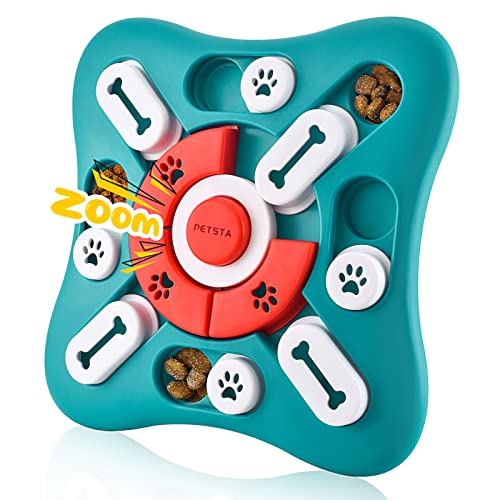
Using bleach to wash your dog’s bedding or toys is risky. Residue can remain in the fabric fibers, and your dog will be lying on or chewing those items for hours. Instead, wash dog bedding in hot water with a pet-safe laundry detergent. Add a cup of white vinegar to the rinse cycle to help sanitize and remove odors without the toxicity. If you use a slow feeder or puzzle toy for your dog, those items should never be bleached, as the plastic or rubber can absorb chemicals. For active breeds like Australian Shepherds, we recommend Puzzle Toys for Australian Shepherds: Top Picks for Smart Dogs that are easy to clean with just soap and water.
“A clean home should never come at the cost of your dog’s health. One sniff too many can turn a chore into an emergency.”
Signs of Bleach Poisoning in Dogs
Knowing the symptoms of bleach poisoning can save precious time. Watch for excessive drooling, pawing at the mouth, vomiting (especially with blood), red or swollen skin, difficulty breathing, lethargy, or loss of appetite. If you see any of these signs after a cleaning session, do not wait. Contact your vet or an emergency animal hospital immediately. Time is critical with chemical exposures. Keep your vet’s number and the ASPCA Animal Poison Control Center number (888-426-4435) saved in your phone.
Final Thoughts on Bleach and Dogs
Bleach is not safe for dogs, plain and simple. The risks far outweigh the convenience. By switching to pet-safe cleaners and being mindful of how you clean, you protect your dog from unnecessary harm. Your dog’s health is worth the extra rinse cycle or a few minutes of waiting for a vinegar solution to dry. For more tips on caring for your specific breed, from feeding to enrichment, explore our resources on Best Dog Food for Australian Shepherd Puppies and other breed-specific guides. And remember, when in doubt, ask your vet about any cleaning product you are unsure about.