You want to give your rabbit a healthy, varied diet, and broccoli seems like a perfect choice. It’s crunchy, green, and packed with nutrients. But you’ve probably heard whispers that broccoli can be dangerous for rabbits. Is that true? The short answer is no, broccoli is not toxic or poisonous to rabbits, but it does come with some important caveats. In this guide, we’ll walk through exactly how to feed broccoli safely, what to watch for, and how to avoid the tummy troubles that give this veggie a bad rap.
Can Rabbits Eat Broccoli? The Straight Answer
Yes, rabbits can eat broccoli, but only in moderation. Broccoli belongs to the cruciferous family, which is known for causing gas in many animals, including rabbits. A rabbit’s digestive system is delicate and relies on a constant flow of fiber to keep things moving. Broccoli provides fiber and vitamins like C and K, but it also contains complex sugars that can ferment in the gut, leading to bloating and discomfort. The key is portion control. A good rule is to offer a piece about the size of your rabbit’s head, no more than two to three times per week. Always introduce it slowly, starting with a tiny floret, and watch for any changes in stool or behavior.
Which Parts of Broccoli Are Safest for Rabbits?
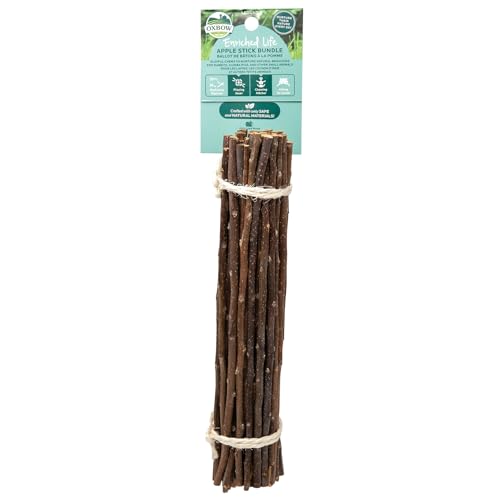
Not all parts of broccoli are created equal when it comes to rabbit safety. The leaves and stems are actually the safest and most fiber-rich parts. They have less of the gas-causing compounds than the florets. The florets (the dark green tops) are the most likely to cause bloating, so feed those sparingly. Many owners find that their rabbits love the crunchy stems, which also help wear down teeth, a natural benefit for a species that needs constant chewing. To keep your bunny’s teeth healthy and provide enrichment, consider offering a stem inside a rabbit chew toy to combine safe feeding with dental care.
How Much Broccoli Can a Rabbit Have?
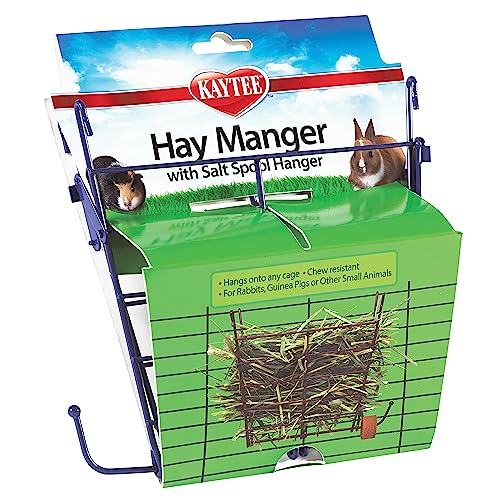
Portion size is everything. For an average adult rabbit (5 to 6 pounds), a serving of broccoli should be about one to two florets or a two-inch piece of stem, no more than twice a week. For smaller breeds, reduce that to a single floret once a week. Never make broccoli a daily vegetable. A rabbit’s diet should be 80% high-quality hay, 10% leafy greens, and 5% pellets, with treats like broccoli making up the remaining 5%. If you notice your rabbit’s cecotropes (the soft night droppings they eat) becoming mushy or smelly, cut back on broccoli immediately. A rabbit hay rack can help ensure your bunny always has access to unlimited hay, which is the best defense against digestive upset from treats like broccoli.
Signs of Broccoli Trouble: Gas and Bloating in Rabbits
The real danger with broccoli isn’t toxicity, it’s gas. Rabbits cannot burp or vomit, so trapped gas can cause severe pain and even lead to a life-threatening condition called gastrointestinal stasis (GI stasis). Watch for these warning signs after feeding broccoli: a hunched posture, teeth grinding (a sign of pain), a bloated or hard belly, loss of appetite, and small or no droppings. If you see any of these, stop feeding broccoli and offer plenty of hay and water. Gentle tummy massages can help move gas along. If your rabbit stops eating or pooping for more than 12 hours, contact a rabbit-savvy vet immediately. Always have a safe, quiet space for recovery, like a cozy rabbit hideout, where your bunny can rest without stress.
Never feed your rabbit cooked broccoli, frozen broccoli with added sauces, or broccoli that has been seasoned. Only offer raw, fresh, thoroughly washed broccoli. Cooking destroys essential nutrients and can make the texture mushy, which is less effective for dental wear and can cause choking.
What About Broccoli Sprouts and Leaves?
Broccoli sprouts are even more concentrated in the compounds that cause gas, so they are not recommended for rabbits. Stick to mature broccoli. The dark green leaves, however, are a fantastic and often overlooked treat. They are lower in sugar and higher in fiber than the florets. Many grocery stores sell whole heads of broccoli with the leaves still attached. If you can find them, those leaves make a wonderful occasional snack. Just wash them thoroughly to remove any pesticide residue. For a complete list of safe greens, ask your vet or consult a reliable rabbit nutrition chart.
“A little broccoli goes a long way. Start with a leaf, not a floret, and your bunny’s belly will thank you.”
Healthy Alternatives to Broccoli for Rabbits
If your rabbit is particularly sensitive to gas, or if you just want to rotate their veggies, there are plenty of safer options. Leafy greens like romaine lettuce, cilantro, basil, and dandelion greens are excellent daily choices. Bell peppers (without seeds) are a low-sugar, crunchy alternative that many rabbits adore. Celery and cucumber are also hydrating and low-risk. For a fun foraging activity, scatter a few fresh herbs in a rabbit tunnel to encourage natural grazing behavior. Always introduce any new vegetable one at a time and wait 24 hours to check for digestive issues.
Rabbits have a sweet tooth and will often choose sugary treats like carrots or fruit over healthy greens. Broccoli is a much better choice than fruit because it has less sugar. Just remember: moderation is key, and hay should always be the main course.
Final Tips for Feeding Broccoli Safely
To summarize: broccoli is safe for rabbits when fed raw, in small amounts, and no more than twice a week. Stick to the leaves and stems for the safest option. Always wash the vegetable thoroughly. Watch your rabbit’s droppings and behavior after feeding. If your bunny has a history of digestive issues or is a dwarf breed, consult your vet before adding broccoli to their diet. Every rabbit is different, and some tolerate broccoli better than others. By following these guidelines, you can offer this nutritious treat without worry and keep your bunny bouncing happily.