You love a fresh-smelling home, but when your dog spends hours sniffing, licking, and rolling on the carpet, any powder or spray you use ends up on their nose, paws, and fur. So, is carpet deodorizer safe for dogs? The short answer is: it depends on the ingredients. Many popular brands contain substances that can irritate your dog’s skin, respiratory system, or digestive tract if ingested. But don’t worry, you don’t have to choose between a clean carpet and a healthy pup. In this guide, we’ll walk you through what to watch out for, which products are safer, and how to keep your home smelling great without risking your dog’s well-being.
Common Carpet Deodorizer Ingredients That Can Harm Dogs
Most carpet deodorizers rely on powders or sprays to absorb odors and release fragrance. The problem is that many of these ingredients are not pet-safe. Baking soda, while generally considered non-toxic in small amounts, can cause stomach upset, vomiting, or even a dangerous electrolyte imbalance if your dog ingests a large quantity. Fragrance blends, especially those labeled “parfum” or “fragrance,” often contain phthalates and synthetic musks that can trigger asthma or allergic reactions in sensitive dogs. Essential oils like tea tree, peppermint, and cinnamon are common in “natural” deodorizers but can be toxic to dogs when inhaled or licked off their paws. Even sodium bicarbonate, the main ingredient in many brands, can be problematic if your dog has a pre-existing condition like kidney disease. Always check the label for these red flags before sprinkling anything on your floor.
Signs Your Dog May Be Reacting to Carpet Deodorizer
If you’ve already used a deodorizer and notice your dog acting off, pay attention. Common reactions include sneezing, coughing, watery eyes, or excessive scratching. Some dogs develop red, irritated skin on their paws or belly after walking on treated carpet. If your dog ingests a significant amount of powder, you might see drooling, vomiting, diarrhea, or lethargy. In rare cases, severe reactions like difficulty breathing or seizures can occur, especially with essential oil exposure. If you suspect your dog has ingested a toxic amount, call your vet or a pet poison helpline immediately. Keep the product packaging handy so you can tell them exactly what was used.
If you have a breed that loves to sniff and explore every inch of the floor, like an Australian Shepherd, consider using a steam cleaner instead of powder deodorizers. Steam cleaning kills bacteria and removes odors without leaving any chemical residue behind.
Safe Carpet Deodorizer Alternatives for Dog Owners
The safest option is to skip commercial deodorizers altogether and use a few simple, dog-friendly methods. First, vacuum frequently with a HEPA filter to remove dander and dirt that cause odors. Second, sprinkle a thin layer of plain, unscented baking soda (no additives) on the carpet, let it sit for 15 minutes, then vacuum thoroughly. For a natural boost, mix baking soda with a few drops of dog-safe essential oil like lavender or chamomile, but only if your dog doesn’t have a history of allergies. Another great option is to use a carpet cleaner that’s specifically labeled as pet-safe and free of fragrances. You can also place washable rugs in high-traffic areas and clean them weekly. If you have a breed that’s prone to allergies, like a Cane Corso, avoiding powders altogether is a wise move to prevent skin irritation.
What to Look for in a Pet-Safe Carpet Deodorizer
If you still want to buy a commercial product, look for ones that are explicitly labeled “pet-safe” or “non-toxic.” Check the ingredient list for red flags like sodium bicarbonate in large amounts, artificial fragrances, or essential oils. Choose products that use enzymatic cleaners or plant-based surfactants instead. Avoid anything with the words “antibacterial” or “antimicrobial” unless it’s specifically formulated for pets, as those often contain harsh chemicals. Also, consider the form: sprays tend to be less risky than powders because they don’t linger as long on the carpet fibers. Always test a small, hidden area first and watch your dog’s reaction over 24 hours. If you have a high-energy breed that loves to play on the floor, like an Australian Shepherd, you might want to keep them off the carpet for a few hours after application to let it fully dry.
“A fresh-smelling home is wonderful, but not at the cost of your dog’s health. When in doubt, skip the powder and vacuum more often.”
How to Use Carpet Deodorizer Safely Around Dogs
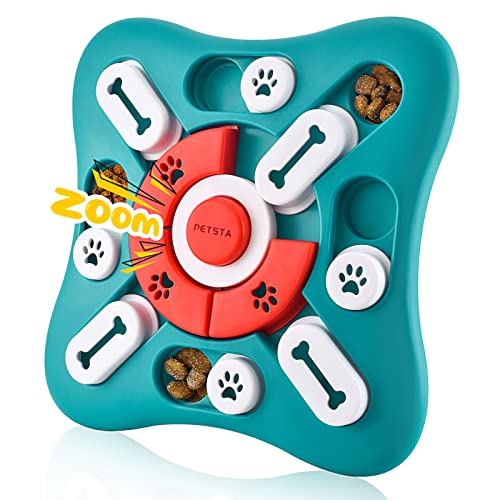
If you decide to use a deodorizer, follow these steps to minimize risk. First, remove your dog from the room before applying any product. Close the door and open a window for ventilation. Apply the deodorizer according to the instructions, then let it sit for the recommended time, but no longer. Vacuum thoroughly, making sure to go over the area multiple times to pick up all residue. After vacuuming, wait at least 30 minutes before letting your dog back in. Wipe your dog’s paws with a damp cloth before they walk on the treated carpet, especially if they tend to lick their paws. If your dog has a sensitive stomach or skin, you might want to keep them off the carpet for a full day. For breeds that are prone to gulping their food and then licking the floor, like some Cane Corsos, using a slow feed dog bowl can help reduce the urge to scavenge on the carpet afterward.
When to Call the Vet
If your dog shows any signs of distress after carpet deodorizer exposure, don’t wait. Call your veterinarian or a pet poison control hotline immediately. Symptoms like vomiting, diarrhea, drooling, lethargy, or difficulty breathing warrant a professional opinion. If you know what product was used, bring the packaging or have the ingredient list ready. In most cases, mild exposure causes only temporary discomfort, but it’s better to be safe. Also, if your dog has a pre-existing condition like asthma, allergies, or kidney issues, ask your vet before using any deodorizer at all. They can recommend a specific brand or alternative that’s safe for your dog’s unique health needs.
Never use carpet deodorizers that contain borax, formaldehyde, or any form of bleach. These are highly toxic to dogs even in small amounts. Always read the label twice before purchasing.