You love the fresh, woodsy scent of cedar, and you’ve heard it repels fleas and moths. But when you bring home a cedar chest or cedar shavings for your cat’s bed, you start to wonder: is cedar wood safe for cats? The short answer is: it depends on the form, the ventilation, and your individual cat. Let’s break down the real risks and how to enjoy cedar’s benefits without putting your feline friend in harm’s way.
Why Cedar Can Be a Problem for Cats
Cedar wood contains natural compounds called phenols and volatile oils. These give cedar its distinctive aroma and its insect-repelling properties. However, cats lack certain liver enzymes needed to break down these compounds effectively. When your cat inhales cedar dust or fumes, or grooms cedar shavings off their fur, those phenols can build up in their system. This can lead to respiratory irritation, drooling, vomiting, or even liver damage in severe cases. Kittens, senior cats, and cats with pre-existing respiratory or liver conditions are especially vulnerable.
Solid Cedar Furniture vs. Cedar Shavings
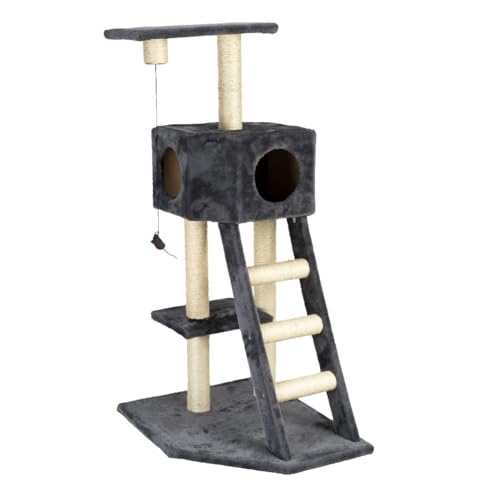
Not all cedar is created equal. Solid, well-sealed cedar furniture, like a scratching post or a cat tree, poses minimal risk because the oils are largely trapped within the wood. The biggest concern is with cedar shavings or chips used as bedding or litter. These have a much larger surface area, releasing more phenols into the air and directly contacting your cat’s skin and paws. If you use cedar shavings in a litter box, your cat will inhale the dust every time they dig. That’s a red flag. Instead, choose a low-dust, fragrance-free litter and save cedar for decorative pieces that are out of your cat’s main living and sleeping areas.
Signs of Cedar Toxicity in Cats
If your cat has been exposed to cedar and shows any of these symptoms, contact your vet right away: coughing, wheezing, sneezing, watery eyes, nasal discharge, drooling, vomiting, diarrhea, lethargy, or skin irritation. These signs can appear within hours or after repeated exposure. Even if your cat seems fine, but you notice a strong cedar smell in the room, that’s a clue the air is too concentrated. Always ensure proper ventilation if you have cedar items in your home. If you’re also dealing with allergy symptoms in your cat, such as sneezing, you might want to check out our guide on why your allergic cat sneezes so much to see if cedar could be a hidden trigger.
Safer Alternatives to Cedar for Your Cat
If you love the idea of natural wood but want to avoid cedar’s risks, consider pine or aspen shavings. These are generally safer for cats because they contain lower levels of phenols. However, even these should be used with caution and in well-ventilated areas. For bedding, you can use old towels, fleece blankets, or a washable cat bed. If you’re concerned about fleas, talk to your vet about safe flea preventatives rather than relying on cedar. And if you’re dealing with allergies, you might also be interested in how to bathe a cat with allergies to reduce allergens without using harsh chemicals.
Cedar’s insect-repelling properties come from compounds called thujone and caryophyllene. While these can deter moths and fleas, they are the same compounds that can be toxic to cats in high concentrations. That’s why a cedar chest in your closet is fine, but a cedar-filled cat bed in a small room is not.
How to Use Cedar Safely Around Cats
If you want to keep a cedar item in your home, follow these rules: keep it in a well-ventilated area, never place cedar shavings directly in your cat’s bedding or litter box, and ensure the wood is sealed or aged (older cedar has lower oil content). You can also place cedar blocks in a closet or drawer where your cat doesn’t spend time, but make sure the door is closed. If you notice your cat scratching or chewing on cedar furniture, redirect them to a safe scratching post. And if your cat has any health issues, especially respiratory or liver problems, it’s best to avoid cedar entirely. Always ask your vet before introducing any new wood or bedding into your cat’s environment.
What to Do If Your Cat Has Been Exposed
If you suspect your cat has inhaled or ingested cedar, remove them from the area immediately and give them fresh air. If they have cedar shavings on their fur, wash it off with a mild cat-safe shampoo. Do not induce vomiting unless your vet tells you to. Call your vet or a pet poison hotline right away, and be ready to tell them what type of cedar product it was and how much your cat was exposed to. Early intervention is key. Even if your cat seems okay, it’s worth a call to your vet to be safe.
When it comes to your cat’s health, the safest cedar is the one you don’t use at all.
Balancing Natural Pest Control and Cat Safety
Some pet parents turn to cedar because they want a natural way to repel fleas. But there are safer options. For example, you can vacuum regularly, wash your cat’s bedding in hot water, and use a vet-informed flea treatment. If you’re also dealing with allergies, you might want to learn about signs of food allergies in cats to rule out other causes of itching or sneezing. And if your cat is prone to hairballs, which can cause vomiting, you might be interested in whether hairballs can cause vomiting and how to manage that separately. Remember, a healthy cat is a happy cat, and that means avoiding unnecessary risks like cedar exposure.
Final Thoughts on Cedar and Cats
So, is cedar wood safe for cats? In small, well-ventilated, sealed forms, it’s usually fine. But cedar shavings and strong cedar fumes are not worth the risk. Your cat depends on you to make safe choices for their environment. When in doubt, choose a safer alternative and always consult your vet if you have any concerns. Your cat will thank you with purrs and head bumps, not with a trip to the emergency clinic.