You are cooking dinner, and your dog gives you those big, hopeful eyes as you handle the leftover chicken. It is tempting to toss them a bone, but you have probably heard conflicting advice. So, is chicken bone safe for dogs? The short answer is: it depends entirely on whether the bone is cooked or raw. Cooked chicken bones are dangerous and should never be given to dogs. Raw chicken bones are less risky but still come with important caveats. Let us break down exactly what you need to know to keep your pup safe, happy, and chewing on the right things.
Why Cooked Chicken Bones Are Dangerous
When chicken bones are cooked, especially through boiling, roasting, or frying, they become brittle and prone to splintering. Unlike raw bones, which are softer and more pliable, cooked bones can break into sharp, needle-like fragments. If your dog swallows these splinters, they can cause serious problems like punctures in the mouth, throat, or intestines, or even blockages that require emergency surgery. The risk is so high that most veterinarians advise never giving your dog cooked chicken bones, no matter how much they beg. If your dog accidentally eats a cooked bone, watch for signs like gagging, vomiting, lethargy, or abdominal pain, and contact your vet immediately.
A cooked chicken bone is like a glass shard waiting to happen; it is never worth the risk.
What About Raw Chicken Bones?
Raw chicken bones are much softer and more flexible than cooked ones, which makes them less likely to splinter. Many raw-feeding advocates include raw chicken necks, wings, or backs in their dogs’ diets as a source of calcium and mental stimulation. However, raw bones are not risk-free. They can still pose a choking hazard, especially for small dogs or dogs that gulp their food. They may also carry bacteria like salmonella or E. coli, which can affect both your dog and your family. If you choose to feed raw chicken bones, always supervise your dog, pick an appropriately sized bone, and consult your vet first. For dogs that tend to inhale their food, using a slow feed dog bowl can help slow down their eating and reduce gulping risks.
Signs Your Dog Is in Trouble After Eating a Chicken Bone
If your dog snatches a chicken bone from the trash or off the counter, do not panic, but stay alert. Common signs of trouble include drooling, pawing at the mouth, coughing, gagging, vomiting, diarrhea, or straining to poop. In severe cases, you might notice blood in the stool, lethargy, or a hunched posture that suggests abdominal pain. If your dog shows any of these symptoms, call your veterinarian or an emergency pet clinic right away. For most healthy adult dogs, a single small, cooked bone may pass through without issue, but it is always better to be safe. Keeping your dog calm and offering a small meal of soft food can sometimes help cushion the bone as it moves through the digestive tract, but always follow your vet’s advice first.
Do not induce vomiting unless your vet tells you to, as a sharp bone could cause more damage coming back up. Instead, call your vet immediately and describe the size and type of bone. If your dog is acting normal, your vet may recommend monitoring them closely for the next 24 to 48 hours.
Safe Alternatives to Chicken Bones for Chewing
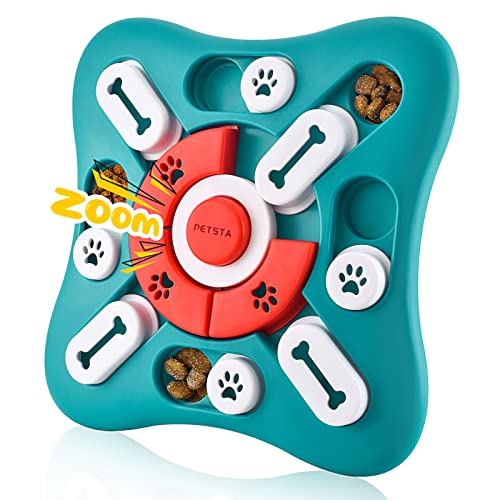
Instead of risking chicken bones, offer your dog safer chew options that satisfy their natural urge to gnaw. Large, raw beef or lamb bones (uncooked) are much denser and less likely to splinter. You can also try durable nylon or rubber chew toys, especially those designed for heavy chewers. For dogs that love the flavor of chicken, look for high-quality, single-ingredient chicken jerky or freeze-dried chicken treats that are boneless. If your dog is a power chewer, you might also appreciate a puzzle toy that keeps them mentally engaged without the risk of bone fragments. Always choose toys and treats that match your dog’s size and chewing strength.
How to Safely Dispose of Chicken Bones
One of the easiest ways to prevent an accident is to make sure chicken bones never reach your dog’s reach. After cooking, immediately place bones in a sealed container or bag and put them in a trash can with a secure lid. Avoid leaving bones on countertops or in open trash bins, especially if your dog is a known counter-surfer. If you compost, do not add cooked bones, as they can attract pests and still pose a risk to wildlife. For extra safety, you can even rinse bones before disposal to remove tempting smells. Remember, a moment of prevention is worth hours of worry at the vet clinic.
Special Considerations for Puppies and Small Breeds
Puppies and small breed dogs are at higher risk for complications from chicken bones. Their smaller throats and digestive tracts mean even a small splinter can cause a blockage. Puppies also tend to chew and swallow things more impulsively. If you have a teething puppy, offer them a safe, chilled rubber teething toy instead of any bone. For small breeds like Australian Shepherds or Cane Corsos, always choose appropriately sized chews. Speaking of diet, if you are raising a large breed puppy, you might want to check out the recommended dog food for Cane Corso puppies to ensure they get balanced nutrition without risky extras. And for any dog, if you are ever unsure about a treat or bone, ask your veterinarian, they know your dog’s health history best.
Wild canids like wolves often consume raw bones as part of their natural diet. However, domestic dogs have different digestive systems and risks, especially with cooked bones. So while the instinct is natural, the safest choice is always a modern, vet-informed alternative.