As a veterinarian who treats small exotic pets, I see essential oil diffusers in more and more homes, and owners are often surprised to learn they can be a problem for guinea pigs. Diffusers feel wholesome and natural, so it is easy to assume they are harmless. But natural does not mean safe to breathe, especially for an animal with airways as delicate as a guinea pig’s.
I want to walk you through this honestly. Diffusers are not a classic swallowed poison, so the risk is not a single toxic bite. The concern is what your guinea pig inhales when fine oil particles fill the air. Below I will explain why cavy lungs are so vulnerable, which signs mean trouble, how a reaction can unfold, and the practical steps that keep your guinea pig breathing comfortably.
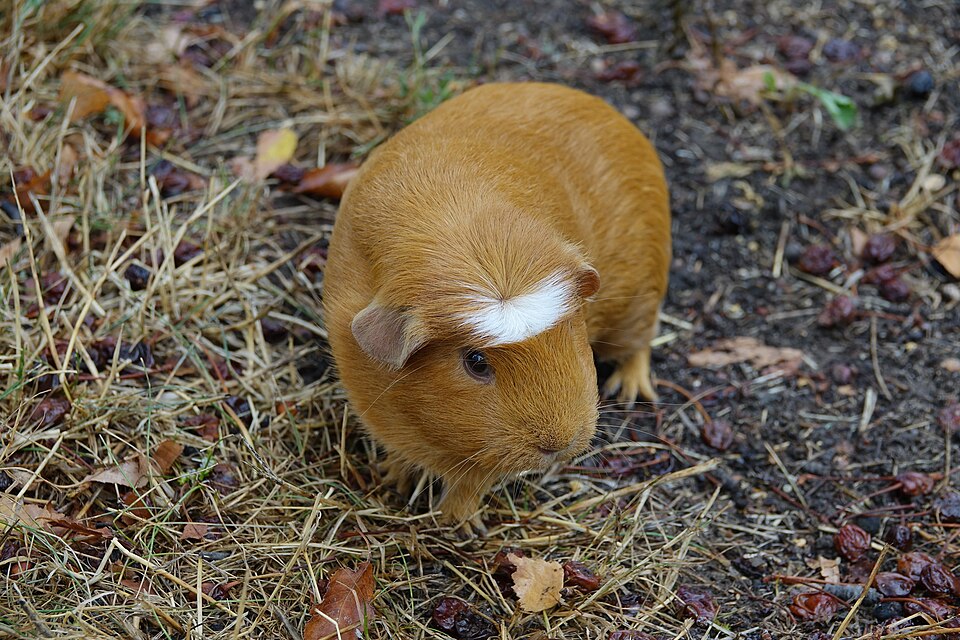
Why Diffusers Is Dangerous for Guinea-Pigs
Diffusers work by dispersing tiny droplets of essential oil into the air so they linger and spread. That is exactly what makes them risky for guinea pigs. As obligate nasal breathers with small lungs and a fast breathing rate, cavies inhale those oil particles directly into sensitive airways with no easy way to clear them.
There is an extra layer of risk with oils that settle on surfaces. Droplets can land on bedding, food, and fur, where a guinea pig may then groom or ingest them. So a diffuser can expose your pet through both the air it breathes and the residue it grooms off, compounding the irritation.
Symptoms of Diffusers Poisoning in Guinea-Pigs
Diffuser reactions are mainly respiratory, often alongside general signs of feeling unwell. Guinea pigs mask illness as a survival instinct, so knowing your pet’s normal breathing and behavior helps you catch trouble early.
Poisoning Timeline
How quickly a guinea pig reacts depends on the oil used, how concentrated the mist is, and the room’s ventilation. This general timeline reflects a running diffuser in a closed room.
How Much Is Dangerous
Diffused oils are inhaled irritants, so there is no neat toxic dose like a swallowed poison would have. What matters is the oil type, the concentration in the air, ventilation, and exposure time. Treat the figures below as a practical risk guide, not exact medical limits.
Exposure Risk Reference
Because guinea pigs have so little respiratory reserve and oils can also land on their bedding and fur, I treat the cage room as a diffuser-free zone. No fragrance benefit is worth risking respiratory harm in a pet this sensitive.
Common Sources of Diffusers
Diffusers come in several forms, and it helps to recognize every device that can put oil particles into the air your guinea pig breathes.
Diffuser Devices
- Ultrasonic essential oil diffusers
- Nebulizing diffusers
- Reed diffusers
- Heat or candle oil burners
Common Risky Oils
- Tea tree and eucalyptus
- Peppermint and citrus
- Pine and cinnamon
- Clove and wintergreen
Related Air Sources
- Plug-in scented fresheners
- Scented candles and wax melts
- Aerosol room sprays
- Humidifiers with oils added
What to Do If Your Guinea Pig Ate Diffusers
The main danger is inhalation, but a curious guinea pig could also lick spilled oil or chew on reed sticks or a diffuser refill. If you suspect inhalation distress or that oil was ingested, stay calm and act quickly.
Turn Off the Diffuser
Switch off the device and move your guinea pig to a clean, well-ventilated room with fresh air immediately.
Check Breathing
Watch the chest and nostrils. Note any wheezing, clicking, or open-mouth breathing effort.
Look for Oil Contact
Check for spilled oil on fur or bedding. If oil is on the coat, contact your vet before attempting any cleaning.
Call for Guidance
Contact your exotics vet, or call the ASPCA Animal Poison Control Center at 888-426-4435 with the oil name handy.
Monitor and Support
Keep your guinea pig warm and quiet, offer fresh hay and water, and seek in-person care if breathing or appetite worsens.
Prevention Checklist
Keeping diffused oils out of your guinea pig’s environment is simple once you make the cage room a fragrance-free space.
- Keep all essential oil diffusers out of your guinea pig's room.
- Never add essential oils to a humidifier near the cage.
- Run diffusers only in separate rooms, ideally far from the cage.
- Store oils and reed sticks where your pet cannot reach them.
- Ventilate the home with fresh air regularly.
- Learn your guinea pig's normal breathing rate to spot changes.
- Keep candles, plug-ins, and sprays out of the cage room too.
- Save your exotics vet and the ASPCA poison line (888-426-4435).
Safety note: Keep essential oil diffusers and all diffused oils out of any room your guinea pig lives in, and contact your exotics vet at the first sign of breathing trouble.