You love sharing your meals with your parakeet, but when it comes to garlic, you need to stop and think. That tiny clove you’re mincing for dinner might seem harmless, but for your feathered friend, it’s a real danger. Garlic contains compounds that can damage a parakeet’s red blood cells, leading to a condition called hemolytic anemia. Even a small nibble can cause serious health issues. In this article, we’ll break down exactly why garlic is toxic, what symptoms to look for, and how to keep your bird safe without sacrificing flavor in their diet.
Why Garlic Is Toxic to Parakeets
Garlic belongs to the Allium family, which also includes onions, leeks, and chives. These plants contain thiosulfates and other sulfur compounds that are harmless to humans but highly toxic to birds. When a parakeet ingests garlic, these compounds are absorbed into the bloodstream and attack the hemoglobin in red blood cells. This causes the cells to rupture, a process called oxidative hemolysis. The result is anemia, which reduces the oxygen-carrying capacity of the blood. Unlike mammals, birds have a very low tolerance for these toxins, and even a small amount can overwhelm their system. This is not a case of “a little won’t hurt” , it’s a strict no-go.
How Much Garlic Is Dangerous?
There is no safe amount of garlic for a parakeet. Because of their tiny body weight (typically 30 to 40 grams), even a single small flake of garlic can be enough to cause toxicity. Some owners mistakenly think that garlic powder or garlic salt is safer, but it’s actually more concentrated and equally dangerous. The toxic dose varies from bird to bird, but symptoms can appear within hours of ingestion. If you suspect your parakeet has eaten any amount of garlic, contact an avian veterinarian immediately. Do not wait for symptoms to develop. Quick action can make a huge difference in your bird’s recovery.
Garlic is often hidden in foods you might not expect, such as seasoned breadsticks, pasta sauces, pesto, salad dressings, and even some bird treats sold in pet stores. Always read ingredient labels carefully before offering any human food or commercial treat to your parakeet. When in doubt, stick to fresh, safe fruits and vegetables.
Signs of Garlic Poisoning in Parakeets
Recognizing the symptoms early can save your bird’s life. Common signs of garlic toxicity include:
- Weakness and lethargy , your bird may sit fluffed up at the bottom of the cage, unwilling to move.
- Difficulty breathing , rapid or labored breathing due to reduced oxygen in the blood.
- Pale or bluish mucous membranes , check the inside of the mouth or the cere (the fleshy area above the beak).
- Loss of appetite , your parakeet may refuse to eat or drink.
- Regurgitation or diarrhea , digestive upset is common.
- Dark, tarry droppings , this can indicate internal bleeding from damaged red blood cells.
If you notice any of these signs, especially after a suspected garlic ingestion, seek veterinary help right away. Do not try home remedies or induce vomiting, as that can cause additional harm.
“A parakeet’s tiny body has no room for error when it comes to garlic. Even a taste can tip the scales from healthy to critical.”
What to Do If Your Parakeet Eats Garlic
First, stay calm. Remove any remaining garlic or contaminated food from the cage immediately. Call your avian vet or an emergency animal hospital and explain what happened. If you can, bring a sample of what your bird ate. The vet may recommend bringing your bird in for supportive care, which can include oxygen therapy, fluids, and medications to help stabilize the red blood cells. In severe cases, a blood transfusion may be needed. Do not wait for symptoms to appear, because by then the damage may be advanced. Prevention is always better than treatment, but quick action gives your bird the best chance.
Safe Alternatives to Garlic for Flavor and Health
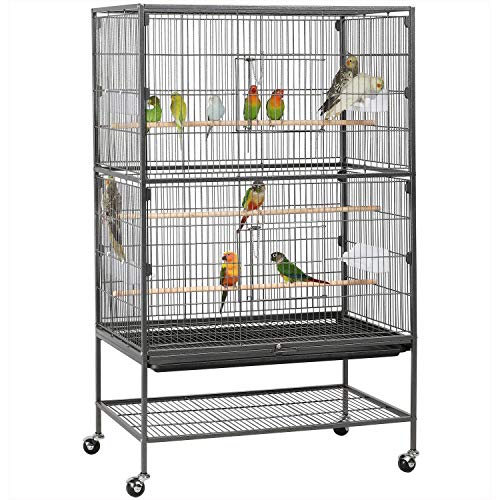
You might be tempted to add garlic to your parakeet’s food for its supposed immune-boosting properties, but there are much safer ways to support your bird’s health. Instead, offer a variety of fresh, bird-safe vegetables like bell peppers, carrots, broccoli, and leafy greens. You can also provide small amounts of fruits like apple (without seeds) or berries. For a special treat, consider offering a parakeet treat that’s specifically formulated for their nutritional needs. These treats are designed to be safe and healthy, unlike human foods that can be risky. Additionally, make sure your bird has a clean, spacious environment to reduce stress, which is a major factor in immune health. A good parakeet cage with safe spacing and plenty of room can make a big difference in your bird’s overall well-being.
Unlike humans, parakeets have a very fast metabolism and a unique digestive system that lacks certain enzymes to break down allium compounds. This is why garlic is toxic to them but not to us. Their bodies simply cannot process these chemicals safely.
Creating a Safe Diet and Environment
The best way to protect your parakeet is to build a diet around foods that are known to be safe. Stick to high-quality pellets as a base, supplemented with fresh vegetables and occasional fruits. Never feed your bird from your plate unless you are absolutely certain every ingredient is bird-safe. Also, be mindful of your kitchen prep , if you’re chopping garlic, wash your hands and any cutting boards thoroughly before handling your bird’s food. A clean, safe cage setup also helps reduce the chance of accidental poisoning. For example, if you have multiple birds, a parakeet cage designed for two birds can give each bird enough space to avoid stress and food guarding, which sometimes leads to them eating things they shouldn’t. And always provide fresh water daily. If you ever have doubts about a specific food, ask your vet or consult a reliable bird nutrition guide. Your parakeet’s health is worth the extra caution.