You’re sitting on the couch, chewing a stick of gum, and your dog gives you that look. Maybe they sniff the air, drool a little, or try to snatch it from your hand. It’s tempting to toss them a piece, but before you do, you need to know: most gum is dangerously toxic to dogs. The culprit is a sugar substitute called xylitol, and it’s found in hundreds of popular gum brands. Even one piece can send a dog to the emergency vet. Let’s break down exactly why gum is risky, what symptoms to watch for, and what you can safely give your dog instead.
Why Xylitol in Gum Is So Dangerous for Dogs
Xylitol is a natural sugar alcohol used to sweeten sugar-free gum, candies, and even some peanut butters. In humans, it’s harmless. But in dogs, xylitol is absorbed quickly into the bloodstream and triggers a massive release of insulin from the pancreas. This causes blood sugar levels to plummet within 30 to 60 minutes, a condition called hypoglycemia. In high doses, xylitol can also cause acute liver failure. The amount of xylitol varies by brand, but even a single piece of gum can be enough to poison a small or medium-sized dog. Always check the ingredients list, and if you see xylitol, keep that gum far away from your pup.
Other Gum Ingredients That Can Cause Problems
Even if a gum is labeled as xylitol-free, it’s not a green light. Many gums contain other artificial sweeteners like sorbitol or mannitol, which can cause digestive upset, diarrhea, and gas. The gum base itself is not digestible and can lead to an intestinal blockage if swallowed in large amounts, especially in smaller breeds. Some gums also contain caffeine or mint oils that can irritate a dog’s stomach. If you have a breed prone to gulping food, like a Cane Corso, the risk of swallowing a whole pack of gum is higher. For these larger dogs, using dog bowls designed to reduce neck strain can help slow down eating, but it won’t stop a curious snout from grabbing gum off the counter.
Signs Your Dog Has Eaten Gum and What to Do
Symptoms of xylitol poisoning can appear as quickly as 30 minutes after ingestion. Watch for weakness, staggering, vomiting, tremors, seizures, or collapse. If you suspect your dog ate gum, call your veterinarian or an animal poison control center immediately. Do not wait for symptoms to appear. If you can, note the brand and how many pieces were eaten. Your vet may induce vomiting or administer intravenous dextrose to stabilize blood sugar. The sooner you act, the better the outcome. For breeds like the Australian Shepherd, who are known for their sharp minds and quick paws, keeping gum out of reach is even more important because they can easily open a purse or backpack.
If your dog eats gum containing xylitol, do not try to make them vomit at home unless your vet specifically instructs you to. Some methods can cause more harm. Always call a professional first.
Safe Alternatives for Fresh Breath and Chewing
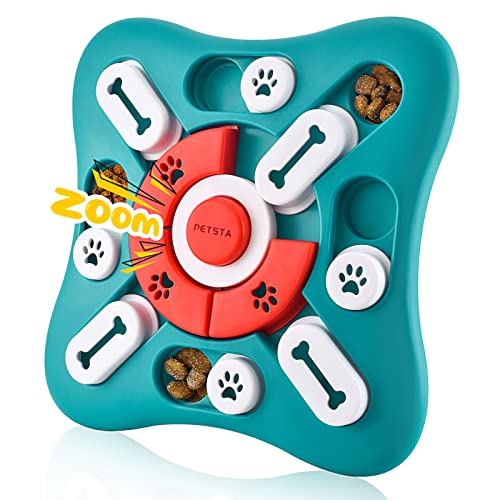
Instead of gum, offer your dog a safe chew toy or a dental treat designed for dogs. Many pet stores carry enzymatic dental chews that help reduce plaque and freshen breath without any toxic ingredients. For high-energy dogs like Australian Shepherds, a puzzle toy can keep them busy and mentally stimulated, which also helps curb the urge to scavenge. You can also try brushing your dog’s teeth with a pet-safe toothpaste (never human toothpaste, which contains xylitol or fluoride). A crunchy apple slice (without seeds) or a carrot stick can be a refreshing, low-calorie treat that helps clean teeth naturally.
“A stick of gum is a tiny thing, but for a dog, it can be a life-threatening mistake. When in doubt, keep it out of reach.”
What About Sugar-Free Gum vs. Regular Gum?
Regular gum that contains sugar is less likely to cause a sudden drop in blood sugar, but it’s still not safe. The sugar can upset your dog’s stomach, and the gum base is still a choking hazard or a potential intestinal blocker. Plus, regular gum often contains other artificial flavors and preservatives that aren’t good for dogs. The safest rule is: no gum at all, regardless of the type. If you want to share a treat, stick to dog-specific chews or a small piece of plain, cooked meat. For puppies, especially breeds like the Australian Shepherd puppy, it’s crucial to establish good chewing habits early with appropriate toys and food, not human snacks.
Dogs don’t need gum for fresh breath. Their breath is naturally neutral when their teeth are healthy. Bad breath is often a sign of dental disease, not a need for mint. A vet checkup can help.
How to Dog-Proof Your Gum Habit
The best way to protect your dog is to treat gum like a medication: store it in a high cabinet, inside a drawer, or in a container your dog cannot open. Never leave gum in a purse, backpack, or on a nightstand. If you have guests, remind them not to offer gum to your dog. And if you chew gum while walking your dog, be careful not to drop it. A quick reaction can save a life. If you have a breed that loves to scavenge, like a Cane Corso, consider using high-protein dog food that keeps them feeling full and less likely to search for extra treats. Ultimately, your dog’s health is worth a little extra caution. Stick to dog-safe chews, and you’ll both enjoy peace of mind.