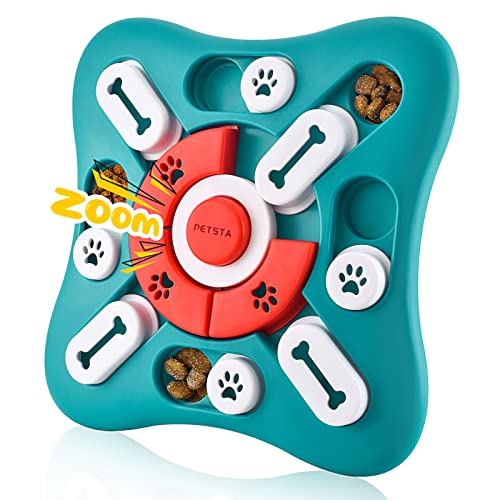
You look at your puppy bouncing off the walls, tail whipping like a helicopter blade, and you feel a pang of guilt. The weather is awful, you are exhausted from work, or your own body is saying ‘no’ today. The question hits you hard: is it cruel to not walk a hyper puppy today? The short answer is no, not if you intentionally swap the walk for other forms of enrichment. Puppies do not need a daily mile-long march to be happy and well-behaved. They need their energy spent, their brains tired, and their bond with you strengthened. Skipping a walk becomes a problem only when you skip everything else too. Let’s break down what your hyper puppy actually needs and how you can provide it without lacing up your shoes.
Why Your Hyper Puppy Seems to Need a Walk So Badly
Puppies, especially high-energy breeds, have a biological drive to explore, sniff, and move. When they do not get that outlet, they often redirect their energy into jumping, nipping, or barking. But here is the thing: a walk is just one way to meet that need. The drive is real, but the solution is flexible. A hyper puppy is not a ticking time bomb that will explode without a walk. They are a creature of habit who can learn to settle when you provide an alternative. Think of a walk as a tool in your toolbox, not the only tool. If you skip it, you just need to reach for a different tool.
What to Do Instead of a Walk: Mental and Physical Alternatives
The key to replacing a walk is understanding that mental exhaustion is often more effective than physical exhaustion. A 15-minute training session can tire a puppy more than a 30-minute stroll. Here are specific, actionable swaps you can use today:
- Indoor nose work: Hide tiny treats around a room and let your puppy sniff them out. This taps into their natural foraging instinct and burns serious mental energy.
- Flirt pole play: A flirt pole (a long stick with a toy on a string) lets your puppy chase, pounce, and sprint in a small space. Five minutes of this is a solid workout.
- Training a new trick: Spend 10 minutes teaching ‘touch’, ‘spin’, or ‘place’. The focus required will calm a wired brain.
- Chewing and licking: Give a frozen stuffed KONG or a long-lasting chew. The repetitive licking and gnawing release calming hormones. For sturdy options, check out our comparison of Staffy Dog Toys: KONG Extreme Compared if you have a power chewer.
A tired puppy is not a puppy who walked a mile, it is a puppy who used their brain for ten minutes.
When Rest Days Are Actually Better for Your Puppy
Believe it or not, puppies need rest days just like human athletes. Growing bones and joints are vulnerable. Over-walking a hyper puppy can lead to joint stress, especially in larger breeds. If your puppy is constantly wired, they might actually be overtired, not under-exercised. Puppies need 18 to 20 hours of sleep per day. If you skip a walk and instead enforce a nap in a quiet crate, you are doing them a favor. A forced rest day can prevent the cycle of overtired zoomies and improve their ability to settle. It is not cruel to say ‘today we rest’. It is responsible care.
A puppy’s brain releases cortisol during exciting activities like walks. If you walk a hyper puppy every single day, their body builds a tolerance, and they need more and more stimulation to feel satisfied. Skipping a walk occasionally resets that baseline, making future walks more effective and your puppy calmer overall.
How to Handle the Guilt and the Whining
The hardest part of skipping a walk is often the guilt you feel and the whining your puppy does. Here is the truth: your puppy will whine and pace for a few minutes, maybe even scratch at the door. That is not suffering, it is frustration. And frustration is a normal emotion that puppies need to learn to tolerate. If you immediately give in and take them out, you teach them that whining works. Instead, redirect them to a chew or a training game. If they still seem frantic, put them on a leash indoors and have them lie down next to you while you work. They will learn that not every day is a walk day, and that is okay. Your calm energy teaches them more than any walk ever could.
Signs That Skipping a Walk Is Actually a Problem
While skipping a walk is not cruel in itself, there are red flags that indicate your puppy’s needs are not being met overall. Watch for these signs over several days, not just today:
- Destructive behavior like chewing furniture or digging carpets.
- Excessive barking or whining that does not stop after redirection.
- Difficulty settling even after play or training.
- Weight gain or loss of muscle tone.
If you see these patterns, it is not about one missed walk, it is about a lack of consistent enrichment. In that case, consider adding structured activities like a daily training routine or using a leash for focused walks when you do go out. For puppies with skin or coat issues after outdoor walks, a good brush can help remove debris and keep them comfortable indoors.
Balancing Walks with Other Needs for a Happy Puppy
The goal is not to never walk your puppy. The goal is to have a flexible routine that adapts to your life and your puppy’s needs. On days you walk, make it count: let them sniff, explore, and get some exercise. On days you do not walk, double down on indoor enrichment, training, and rest. A hyper puppy who gets a mix of physical outings, mental games, and quiet time will grow into a balanced adult dog. If you are ever worried about your puppy’s energy levels or joint health, ask your vet for guidance specific to their breed and age. But for today, take a deep breath. You are not being cruel. You are being thoughtful.