Bringing home two male guinea pigs can feel like a gamble. You’ve probably heard horror stories of sudden fights, endless rumbling, and the dreaded “teeth chattering” standoff. But here’s the truth: boars can and do live together beautifully. In fact, many bonded male pairs are inseparable, spending their days napping side by side and sharing meals. The key is understanding their social needs, giving them enough space, and knowing how to handle the occasional disagreement. This guide will walk you through everything you need to know about keeping two male guinea pigs together, so you can enjoy the rewarding experience of watching a pair of brothers (or new friends) thrive.
Why Male Guinea Pigs Can Live Together (And Why Some Don’t)
Guinea pigs are herd animals by nature, which means they crave companionship. In the wild, they live in groups, and isolation can lead to depression and health issues. Two male guinea pigs, known as boars, can absolutely form a strong bond, especially if they are from the same litter or introduced when young. However, males are more territorial and hormonal than females, which is why some pairs struggle. The biggest factors that determine success are cage size, the introduction process, and the individual personalities of the pigs. Some boars are naturally dominant and will need a more submissive partner, while others are laid back and get along with almost anyone. If you’re considering a pair, it’s wise to start with a large enclosure, as cramped quarters are the number one trigger for aggression. If you’re also thinking about a Silkie guinea pig, remember they have specific care needs, like temperature regulation, which can add another layer to their housing requirements.
The Golden Rule: Space Matters More Than Anything
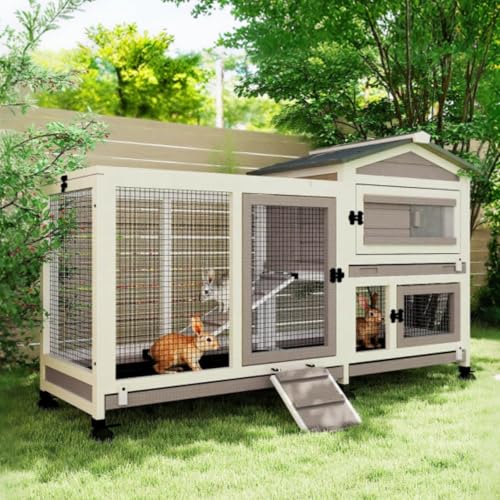
If there is one piece of advice to take to heart, it’s this: two boars need more space than you think. The standard recommendation for two guinea pigs is a minimum of 10.5 square feet, but for two males, bigger is always better. A larger cage reduces competition over resources like food bowls, water bottles, and hideouts, which are common sources of conflict. Think of it this way: when a guinea pig feels cornered, it becomes defensive. In a spacious cage, a subordinate male can retreat and avoid confrontation, which keeps the peace. A great option is a 2×4 foot C&C cage (or larger, like 2×5 or 2×6 feet) with multiple exits and hideouts. Make sure there are at least two of everything: two food bowls, two water bottles, and two hidey houses, placed far apart. This simple setup can prevent most squabbles before they start. If you’re using a store-bought cage that feels a bit snug, consider upgrading or adding an attached playpen to give them extra roaming room.
How to Introduce Two Male Guinea Pigs Safely
The introduction process can make or break a male pair. Never just put two strange boars together in a cage and hope for the best. Instead, follow a gradual, neutral-ground approach. Start by placing them in a large, neutral area that neither pig has claimed as his territory, like a playpen with fresh towels and a few veggies scattered around. Let them meet for short, supervised sessions, watching for positive behaviors like sniffing, gentle nose touching, and quiet vocalizations. Some rumbling and mounting is normal as they establish dominance, but you should step in if there is any lunging, biting, or persistent chasing that doesn’t stop. After a few successful playdates, you can move them into a thoroughly cleaned, neutral cage with all new bedding and rearranged furniture. This resets the territory, so neither pig feels like he’s invading the other’s home. Be prepared for some continued rumbling and chasing over the first few days, but as long as it doesn’t escalate to actual fighting, let them work it out. For a detailed look at what to expect during these early days, including how to read their body language, you might find our guide on teeth chattering helpful, as it explains one of the most common warning sounds.
Managing Hormones and the Teenage Phase
If you adopt two young males, you might have a honeymoon period where they get along perfectly, only to hit a rough patch when they hit puberty around 4 to 6 months of age. This is when hormones surge, and your sweet babies might suddenly start rumbling, mounting, and squabbling over dominance. This is completely normal, but it can be stressful for both you and the pigs. During this phase, it’s crucial to maintain a strict routine and avoid any changes to their environment. Keep the cage extra clean, provide plenty of hay to distract them, and never separate them for long periods unless there’s actual bloodshed. If you do have to separate them temporarily, you’ll need to reintroduce them later using the neutral-ground method again. Sometimes, a pair that was bonded as babies will need to be split permanently if the fighting becomes too intense. In that case, consider adopting a neutered female or keeping one boar as a single pig (with extra human interaction) rather than risking injury. Always consult your vet if you’re unsure about how to handle aggression, as they can offer advice specific to your pigs.
Did you know that male guinea pigs often form stronger bonds when they are introduced as babies? Siblings from the same litter are the most likely to live together peacefully for their entire lives. If you adopt two unrelated males, try to choose ones that are close in age and size, as this reduces the chance of one bullying the other.
Signs of a Happy Pair vs. Signs of Trouble
How can you tell if your two males are actually getting along or just tolerating each other? A happy pair will often sleep side by side, groom each other (you’ll see one licking the other’s ears or head), and make soft, purring sounds when they’re together. They’ll also eat together without guarding the food bowl and take turns using the hideout. On the other hand, trouble signs include constant teeth chattering (which sounds like a rapid clicking), chasing that doesn’t stop, biting, and drawing blood. If you see any of these, you need to intervene immediately. Separate them for a few hours, then try reintroducing them in a neutral area. If the aggression persists, you may need to permanently separate them. It’s also worth noting that some boars are simply happier as singles, and that’s okay. A single guinea pig can still have a wonderful life if you give him plenty of attention, toys, and out-of-cage time. If you’re considering adding a Silkie to your family, keep in mind that their long coats require regular grooming, which can be a bonding activity for you and your pig, but it also means you’ll need to handle them more often, so check out our guide on grooming frequency to see if it fits your lifestyle.
Setting Up the Perfect Home for Two Boars
Beyond just cage size, the layout of your guinea pigs’ home plays a huge role in their relationship. You’ll want to create a space that minimizes conflict and encourages positive interactions. Here are a few key tips:
- Two of everything: Always have two food bowls, two water bottles (or a large water bowl), and at least two hideouts, ideally with multiple exits so a pig can’t get trapped.
- Strategic hideout placement: Place hideouts at opposite ends of the cage so each pig can have his own territory. Avoid tunnels that lead to dead ends, as these can cause ambushes.
- Plenty of hay: Hay is the ultimate peacekeeper. Provide multiple hay racks or piles scattered around the cage so they can munch without competing.
- Regular cleaning: A dirty cage can make pigs irritable. Spot clean daily and do a full clean weekly to keep the environment fresh and reduce stress.
If you’re using a fleece liner, make sure to vacuum it daily to keep it dry and odor-free. For more on cage setup, including size specifics, you can refer to our cage size guide, which applies to all breeds, not just Silkies.
“A pair of boars is not a fight waiting to happen, it’s a friendship waiting to be nurtured. Give them space, give them patience, and they’ll give you double the love.”
What to Do If They Fight (And When to Give Up)
Despite your best efforts, sometimes a pair just isn’t meant to be. If you see blood, persistent biting, or if one pig is constantly terrorizing the other (preventing him from eating or sleeping), it’s time to separate them permanently. This isn’t a failure; it’s a responsible decision that prioritizes their welfare. You can keep them in separate cages next to each other so they can still see and smell each other, which provides some social interaction without the risk of injury. If you do separate them, you’ll need to give each pig extra attention and enrichment to compensate for the lack of a cage mate. Some owners find that a boar who doesn’t get along with other males does wonderfully with a neutered female, but that’s a bigger commitment. Always consult with your vet if you’re worried about aggression or if you notice any signs of illness, as stress can weaken their immune system. For more on keeping your pig healthy, you might want to read about signs of illness to stay vigilant.
Keeping two male guinea pigs together is absolutely possible, and it can be one of the most rewarding experiences for any pet owner. The key is to be patient, observant, and willing to adapt. With the right setup and a little understanding of their social quirks, you’ll have a pair of happy, healthy boars who prove that two boys can indeed be best friends.