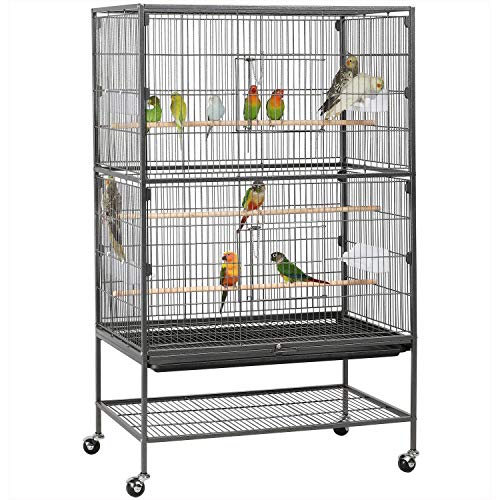
You love your bird and you want your home to smell fresh and relaxing. Maybe you have a diffuser in the living room, or you enjoy a spritz of lavender on your pillow before bed. But when you share your space with a pet bird, that innocent lavender essential oil could be a hidden danger. Birds have a completely different respiratory system than mammals, and what feels soothing to you can be toxic to them. Let’s break down exactly why lavender oil is risky, what symptoms to watch for, and how to keep your feathered friend safe while still enjoying a pleasant environment.
Why Birds Are So Sensitive to Essential Oils
Birds have a highly efficient, but also very fragile, respiratory system. They don’t have a diaphragm like mammals do, and air flows through their lungs in one direction, making them incredibly sensitive to airborne irritants. Their lungs are also connected to air sacs that extend throughout their body, meaning any inhaled substance gets distributed quickly. Essential oils, especially concentrated ones like lavender, contain volatile organic compounds (VOCs) that can irritate a bird’s delicate respiratory tissues. Even a small amount of vapor from a diffuser can cause inflammation, breathing difficulty, or worse. This is why many avian vets recommend avoiding all essential oils around birds, not just lavender.
The Specific Risks of Lavender Essential Oil for Birds
Lavender oil is often touted as calming and natural, but for birds, it is far from harmless. The compounds linalool and linalyl acetate, which give lavender its pleasant scent, can be toxic to birds when inhaled or absorbed through the skin. Birds preen their feathers constantly, so if oil particles settle on their plumage, they will ingest them during grooming. This can lead to gastrointestinal upset, neurological issues, or liver damage over time. Even if you use a diffuser in another room, the particles can travel through vents or open doors. Birds are also known to have signs of illness that can be subtle, so you might not notice a problem until it becomes serious.
“A bird’s respiratory system is designed for flight, not for filtering out concentrated plant chemicals. What smells like a gentle breeze to us can feel like a chemical fog to them.”
What About Lavender Plants or Dried Lavender?
You might think that using a live lavender plant or dried lavender sachets is a safer alternative. While these are less concentrated than essential oils, they still pose risks. Dried lavender can release tiny dust particles and pollen that can irritate a bird’s airways. Some birds may also chew on the plant material, and ingesting lavender can cause stomach upset. If you want to keep lavender in your home, place it in a sealed container or a room that your bird never enters, and ensure good ventilation. For most bird owners, it is simply easier and safer to avoid lavender altogether and choose bird-safe plants like spider plants or Boston ferns.
Signs Your Bird May Be Reacting to Essential Oils
If you have been using lavender oil around your bird, watch for these warning signs. Symptoms can appear quickly or develop over time with repeated exposure. Look for labored breathing, tail bobbing (a sign of respiratory distress), sneezing, coughing, wheezing, or discharge from the nares (nostrils). You might also see behavioral changes like lethargy, fluffed feathers, loss of appetite, or a change in vocalization. If your bird starts plucking its feathers, that can be a sign of stress or illness, possibly triggered by air quality issues. If you notice any of these signs, move your bird to a fresh-air room immediately and contact an avian veterinarian.
Never apply essential oils directly to your bird’s skin, feathers, or perch. Do not use oil-based diffusers, plug-in air fresheners, candles, or incense in any room your bird occupies. Even “natural” or “pet-safe” essential oil blends are not tested on birds and can be harmful. When in doubt, skip the scent.
Safer Alternatives to Lavender for a Calm Home
You can still create a relaxing environment without risking your bird’s health. Focus on good ventilation, regular cleaning, and natural odor absorbers like baking soda or activated charcoal. Some bird-safe plants (like areca palms or bamboo) can help purify the air. If you want a gentle scent, consider using a plain HEPA air purifier, which removes particles without adding anything to the air. For your own relaxation, you can use lavender oil in a sealed container in a room your bird never enters, or apply a small amount to your wrist before handling your bird, but only if the oil is fully absorbed and you wash your hands thoroughly first. Remember that a clean cage and proper diet go a long way toward keeping your bird happy. If you have a mynah bird, you might also be interested in learning about what do mynah birds eat to support their overall health.
Some birds, like cockatiels and budgies, have a natural ability to “sneeze” to clear their airways. If you hear your bird sneezing more than usual, it could be reacting to something in the air, not just dust. Always pay attention to changes in your bird’s breathing habits.
What to Do If Your Bird Has Been Exposed
If you suspect your bird has inhaled lavender oil or any essential oil, act quickly. Remove the bird from the area immediately and place it in a well-ventilated room with fresh, clean air. Do not try to induce vomiting or give any home remedies. Offer fresh water and keep the bird warm and calm. Monitor its breathing and behavior closely. Even if symptoms seem mild, schedule a check-up with an avian vet as soon as possible. Birds are masters at hiding illness, and early intervention can make a big difference. It is also a good idea to review understanding mynah bird cage size requirements to ensure your bird’s living space is well-ventilated and free from drafts or airborne irritants.
Your bird depends on you to keep its environment safe. While lavender essential oil may seem like a harmless way to freshen your home, it is simply not worth the risk. Stick to bird-safe cleaning products, avoid scented candles and diffusers, and always ask your veterinarian before introducing any new scent or product into your bird’s space. A healthy bird is a happy bird, and clean air is one of the best gifts you can give your feathered companion.