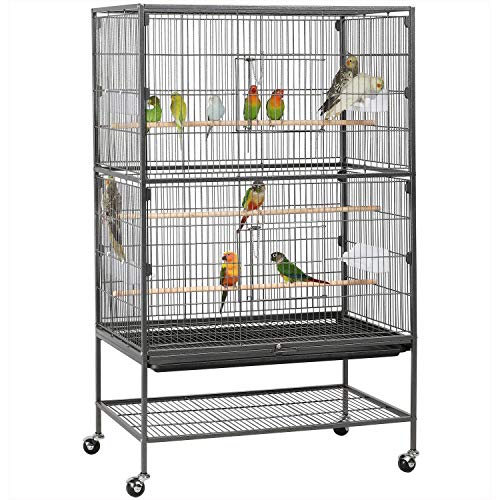
You love your parrot and want everything in their cage to be spotless. When you hear about silver vinegar wash as a natural cleaner, it might sound like a great option for scrubbing those perches. But before you reach for that bottle, let’s talk about what silver vinegar actually is and whether it belongs anywhere near your bird’s feet. The short answer: it’s not safe, and here’s why.
What Is Silver Vinegar Wash, Really?
Silver vinegar is a cleaning product that combines acetic acid (vinegar) with colloidal silver or silver ions. It’s marketed as a powerful disinfectant and deodorizer for household surfaces. The silver is added for its antimicrobial properties, which sounds promising for a parrot cage. However, the concentration of acid in silver vinegar is often higher than standard white vinegar, and the silver particles can leave a residue. Parrots explore the world with their beaks and feet, so any chemical left on a perch can be ingested or absorbed through their sensitive foot pads. Even if the label says “natural,” that doesn’t mean it’s bird-safe.
Why Silver Vinegar Wash Is a Risk for Parrot Perches
Parrots have highly sensitive respiratory systems. Strong vinegar fumes can irritate their airways, and the silver particles in silver vinegar may become airborne during cleaning. On top of that, the acidic residue can dry out or burn the skin on your bird’s feet, especially if they spend hours gripping the perch. A rope perch for Senegal Parrot or any other type of perch can absorb these liquids, holding the residue against your bird’s skin for a long time. This can lead to pododermatitis (bumblefoot) or other foot issues. It’s simply not worth the risk when safer options exist.
Never assume a product is safe for birds just because it’s labeled “natural” or “non-toxic.” Always check the ingredients list and look for products specifically formulated for avian use. When in doubt, ask your veterinarian before using any new cleaner near your parrot.
Safer Alternatives for Cleaning Perches
You don’t need harsh chemicals to keep perches clean. Here are three bird-safe methods that work well:
- Diluted white vinegar: Mix one part white vinegar with two parts water. This is mildly acidic but safe for parrots when rinsed thoroughly. Wipe the perch, let it sit for a few minutes, then rinse with clean water and let it dry completely before returning it to the cage.
- Baking soda paste: For tough spots, make a paste of baking soda and water. Scrub gently, rinse well, and dry. Baking soda is non-toxic and deodorizes without fumes.
- Perch-specific wipes: Some pet stores sell wipes made for bird perches. These are pre-moistened with bird-safe solutions and are convenient for quick cleanings.
If your parrot uses a non slip bath, make sure to clean that with the same gentle methods. Baths can collect bacteria and debris, so regular cleaning is key.
How Often Should You Clean Parrot Perches?
Frequency depends on your bird’s habits and the type of perch. For natural wood perches, a weekly wipe-down with diluted vinegar is usually enough. Rope perches and sand perches may need more frequent cleaning because they absorb droppings and food debris. A sand perch for Senegal Parrot can be scrubbed with a stiff brush and the vinegar solution, then rinsed and dried. Always inspect perches for wear and tear, as cracks or frayed rope can harbor bacteria and become a safety hazard.
“A clean perch is a happy perch, but a safe cleaner is what keeps your parrot’s feet and lungs healthy.”
What About Other Natural Cleaners Like Grapefruit Seed Extract or Hydrogen Peroxide?
Some owners use grapefruit seed extract (GSE) or hydrogen peroxide as alternatives. GSE is generally safe in very dilute solutions, but it can be irritating if not rinsed well. Hydrogen peroxide breaks down into water and oxygen, making it a decent option for disinfecting, but it can be harsh on wood perches. If you use it, dilute it with water (one part peroxide to three parts water) and rinse thoroughly. Never mix hydrogen peroxide with vinegar, as that creates a toxic gas. For any cleaner, test it on a small area of the perch first and watch your bird’s reaction.
If you’re looking for other ways to support your parrot’s health, consider adding a calcium supplement for Senegal Parrots to their diet. Strong bones and beaks start from the inside out.
Final Thoughts on Keeping Perches Clean and Safe
Stick to simple, proven cleaning methods. Your parrot’s feet are constantly in contact with their perches, and their respiratory system is delicate. Silver vinegar wash is a risk you don’t need to take. Instead, use diluted white vinegar, baking soda, or bird-safe wipes. Rinse everything well and let it dry fully before your parrot steps back onto it. If you ever notice redness, swelling, or changes in your bird’s behavior after cleaning, contact your avian vet right away. A little caution goes a long way in keeping your feathered friend healthy and happy.