You’ve probably heard that vinegar is a miracle cleaner and a natural remedy for everything from fleas to urine odors. But if you share your home with a cat, you might wonder: is vinegar dilute poison for cats? The short answer is no, but the longer answer matters more. While vinegar is not toxic, it can still cause problems if your cat drinks it, inhales it, or walks through it. Let’s break down exactly what you need to know, so you can use vinegar safely and avoid unnecessary stress for you and your cat.
What Happens If a Cat Ingests Vinegar?
If your cat laps up a small amount of diluted vinegar (like from a cleaned floor or a bowl you used for cleaning), the most likely outcome is nothing serious. Vinegar is acidic, and a cat’s digestive system is not built to handle strong acids. A few licks might cause mild drooling, a bit of gagging, or a temporary upset stomach. However, if your cat drinks a larger amount of undiluted vinegar, it can lead to vomiting, diarrhea, and irritation of the mouth and esophagus. The key is concentration: a 1:1 or 1:2 vinegar-to-water dilution used for cleaning is generally safe once dry, but pure vinegar is too harsh. Always keep bottles of vinegar out of reach, and never use it as a drink additive or treat.
Is Vinegar Safe for Cleaning Around Cats?
Yes, vinegar is one of the safest cleaning agents you can use around cats, provided you follow a few simple rules. Unlike bleach or ammonia, vinegar does not release toxic fumes that can harm your cat’s sensitive respiratory system. Once it dries, the smell fades, and the residue is not harmful. However, you should never spray vinegar directly on your cat, their bedding, or their food bowls. If you’re cleaning your cat’s elevated cat bowls, rinse them thoroughly with water after using vinegar to remove any lingering acidity. For general cleaning, a 1:1 mix of white vinegar and water is effective for floors, counters, and litter box areas, but always let surfaces dry completely before letting your cat back in the room.
Never use vinegar to clean wounds or treat skin conditions on your cat. The acid can sting and delay healing. If your cat has a skin issue, talk to your vet instead of reaching for the vinegar bottle.
Can Vinegar Repel Fleas or Treat Urine Odor?
Vinegar is often touted as a natural flea repellent and a miracle worker for cat urine stains. For fleas, the idea is that the smell and taste of vinegar might discourage them, but it does not kill fleas or eggs. A light misting of diluted vinegar on your cat’s fur (avoiding eyes and nose) might make them less appealing to fleas, but it’s not a reliable treatment. For urine odor, vinegar is excellent at neutralizing the ammonia smell because it is acidic and breaks down the alkaline salts in dried urine. Spray the area with a 1:1 vinegar-water solution, let it sit for 10 minutes, then blot and rinse. However, if your cat is stressed or marking, consider addressing the root cause with tools like a cat calming collar to reduce anxiety rather than relying on cleaning alone.
What About Apple Cider Vinegar for Cats?
Apple cider vinegar (ACV) is often promoted as a health supplement for cats, but the evidence is shaky. Some owners add a tiny drop to water or food, claiming it improves digestion, skin health, or urinary tract function. However, there is no solid research to back these claims, and ACV can be just as irritating as white vinegar. A few drops might be harmless for a healthy cat, but it can worsen conditions like kidney disease or bladder stones. If you are considering adding ACV to your cat’s diet, please consult your veterinarian first. For most cats, a balanced diet with proper hydration is far more beneficial than any vinegar supplement. If your cat has digestive issues, a cat probiotic supplement might be a safer, more researched option to support gut health.
“Vinegar is a tool, not a medicine. Use it for cleaning, not for healing.”
When Should You Absolutely Avoid Vinegar?
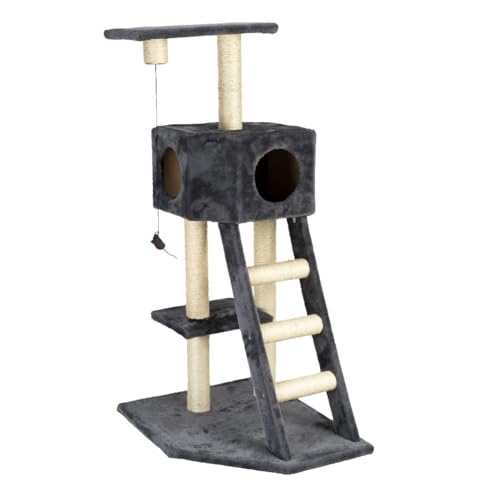
There are clear situations where vinegar should not be used around your cat. Never use vinegar on cat trees, scratching posts, or any porous surfaces where the smell will linger and cause your cat to avoid the area. Avoid using vinegar in a diffuser or spray bottle near your cat’s face, as the strong fumes can irritate their eyes and nose. And never, ever use vinegar to try to deter your cat from scratching furniture by spraying it directly on them. This will only scare them and damage your bond. If you need to redirect scratching, offer an appealing alternative like a sturdy scratching post and reward them with treats. For grooming needs, a cat nail grinder is a much better tool than any vinegar-based deterrent.
What Are the Signs of Vinegar Overexposure?
If your cat has ingested too much vinegar or been exposed to concentrated fumes, watch for these signs: excessive drooling, pawing at the mouth, vomiting, diarrhea, coughing, sneezing, or red and watery eyes. In most cases, these symptoms resolve on their own within a few hours. Offer fresh water and remove the vinegar source. If your cat seems lethargic, has trouble breathing, or if symptoms persist for more than a few hours, contact your veterinarian. For peace of mind, keep a small amount of diluted vinegar on hand for cleaning, but always store the bottle securely in a cabinet your cat cannot open.