If you are a cat owner who loves natural cleaning solutions, you have probably wondered about vinegar. It is cheap, non-toxic if ingested in tiny amounts, and great for removing odors. But when you spray that solution, your cat is right there, sniffing the air. Is vinegar safe for cats to breathe? The short answer is yes, with important caveats. Diluted vinegar is generally safe and can even help with certain household issues, but concentrated vinegar or prolonged exposure to strong fumes can irritate your cat’s delicate respiratory tract. Let us break down exactly what you need to know to keep your cat safe while still using this versatile cleaner.
Why Cats Are Sensitive to Vinegar Fumes
Cats have an incredibly acute sense of smell, far more powerful than humans. Their noses are built to detect prey, predators, and pheromones, not harsh chemical odors. Vinegar is acetic acid, and even the mild scent we perceive can be overwhelming for a cat. When a cat inhales concentrated vinegar fumes, the acetic acid can irritate the mucous membranes in their nose, throat, and lungs. This can cause sneezing, coughing, watery eyes, or even temporary discomfort. Cats may also avoid areas where you have used vinegar, which can be useful for keeping them off certain surfaces but also stressful if they feel trapped.
When Vinegar Fumes Become a Problem
The key factor is concentration. Using a 1:1 or 1:3 vinegar-to-water solution for cleaning floors or surfaces is generally safe once the area is well-ventilated and dry. However, problems arise when you use undiluted vinegar, spray it in a small enclosed space like a closet or carrier, or use it in a room without windows. If your cat has pre-existing respiratory issues such as asthma, allergies, or a upper respiratory infection, even mild vinegar fumes can trigger an attack. Watch for signs like open-mouth breathing, wheezing, or excessive sneezing. If you notice these, move your cat to fresh air immediately and stop using vinegar in that space.
Safe Ways to Use Vinegar Around Cats
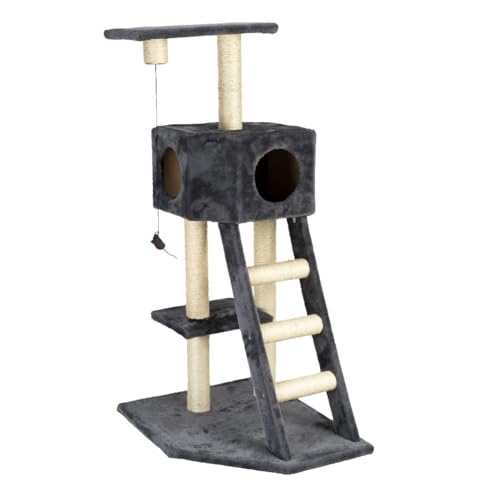
If you want to use vinegar as a natural cleaner, follow these guidelines. Always dilute it, at least one part vinegar to three parts water. Apply it to surfaces when your cat is not in the room, and keep them out until the area is completely dry. Open windows or use a fan to circulate air. Never spray vinegar directly near your cat’s face, bedding, or favorite lounging spots like a cat tree, as the smell can linger and cause stress. For cleaning your cat’s gear, such as a cat carrier, use a very mild solution and rinse thoroughly with water afterward. Another safe alternative is using vinegar in a cat water fountain to descale it, but only if you rinse the fountain multiple times to remove all traces of vinegar before refilling it with fresh water.
Vinegar is often used to neutralize cat urine odors because it breaks down the alkaline salts. However, never use vinegar on a cat’s bedding or favorite blanket, as the lingering scent can actually encourage them to re-mark the spot.
Signs Your Cat Is Having a Bad Reaction
Even with precautions, some cats are more sensitive than others. If your cat is exposed to vinegar fumes, watch for these symptoms: excessive sneezing or coughing, watery or red eyes, drooling, pawing at the face or mouth, hiding, or refusing to come into the room. In severe cases, you might see rapid breathing or wheezing. If your cat shows any of these signs, remove them from the area and provide fresh air. For mild irritation, the symptoms usually resolve within minutes. If they persist or worsen, contact your veterinarian. Do not attempt to treat respiratory distress at home.
Natural Alternatives to Vinegar for Cat-Safe Cleaning
If your cat is particularly sensitive to vinegar, or if you have a cat with asthma, there are other effective natural cleaners. Baking soda is excellent for absorbing odors and is completely safe to inhale in small amounts. You can sprinkle it on carpets, let it sit, and vacuum it up. For hard surfaces, a mild solution of castile soap and water works well. Another option is using enzyme-based cleaners, which are specifically designed to break down pet messes without strong fumes. For grooming tools like a cat deshedding brush, simply wash it with warm water and mild dish soap, then rinse thoroughly. Avoid using any harsh chemicals near your cat’s living areas.
“A cat’s nose is a thousand times more sensitive than yours. What smells like a fresh clean to you can feel like a chemical burn to them.”
When to Avoid Vinegar Entirely
There are specific situations where you should skip vinegar altogether. Never use vinegar to clean a cat’s litter box, as the acidic smell can deter them from using it. Avoid using vinegar in a nebulizer or diffuser for respiratory issues, as inhaling aerosolized vinegar can damage lung tissue. If your cat has a known respiratory condition, such as feline asthma or chronic rhinitis, it is best to avoid vinegar fumes entirely. In these cases, stick to unscented, hypoallergenic cleaning products. Always consult your veterinarian if you are unsure about any product’s safety for your specific cat.