Noticing bald spots or a thinner coat on your dog or cat can be worrying, but you don’t have to wait weeks to see improvement. The good news is that many causes of patchy fur are reversible with the right care, and you can start helping your pet regrow a full, soft coat right now. Whether it’s a seasonal shed that went too far, a stress-related thinning, or a nutritional gap, this guide gives you practical, immediate steps to support healthy regrowth from today.
Check Your Pet’s Diet for Missing Nutrients
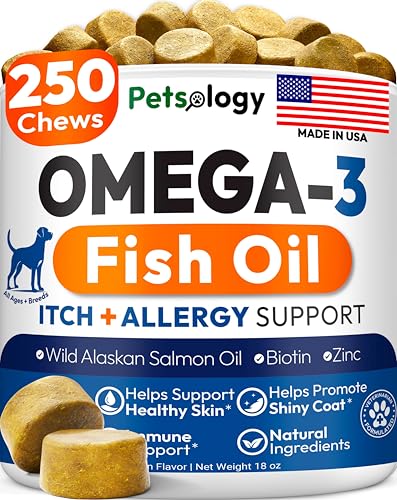
The fastest way to support coat regrowth is to look at what your pet eats every day. Hair is mostly protein, so if your pet’s food lacks high-quality animal protein, the body will prioritize vital organs over fur. Look for a food where the first ingredient is a named meat source (like chicken, beef, or salmon). Omega-3 and omega-6 fatty acids are also critical for skin health and hair follicle function. You can add a small amount of fish oil (ask your vet for the right dose) or offer a teaspoon of canned sardines in water a few times a week. Zinc and vitamin E are also key players. If your pet’s food is low in these, consider a supplement designed for skin and coat, but always check with your vet first. For more on building a balanced meal plan, see our complete nutrition guide for healthy pets.
Reduce Stress That Triggers Shedding
Stress is a common and overlooked cause of sudden fur loss in pets. A move, a new pet, or even a change in your schedule can trigger a stress response that disrupts the normal hair growth cycle. Start by creating a calm, predictable environment. Keep feeding times and walks consistent. Provide a quiet space where your pet can retreat. Interactive toys or puzzle feeders can help distract and relax an anxious pet. If you suspect stress is the culprit, try a calming aid like a pheromone diffuser or a gentle massage routine. For more ideas, read our stress relief tips for anxious dogs and cats.
Did you know that a cat’s whiskers and a dog’s guard hairs are the first to fall out when they are stressed? That’s because the body shuts down non-essential hair growth to conserve energy. Once the stress is managed, those hairs are often the first to regrow.
Adjust Your Grooming Routine for Regrowth
Gentle grooming does more than remove loose fur, it stimulates blood flow to the skin, which wakes up dormant hair follicles. Use a soft bristle brush or a rubber curry comb, especially for short-haired pets. Brush in the direction of hair growth for a few minutes each day. Avoid over-bathing, which strips natural oils. If you must bathe, use a moisturizing, hypoallergenic shampoo. For pets with bald patches, a warm compress applied for a few minutes before brushing can increase circulation. Never use human hair products or harsh chemicals on your pet’s skin. If the area is red, scabby, or your pet is scratching, stop and see your vet, as this could be an infection or allergy.
Rule Out Common Medical Causes
While many cases of fur loss are manageable at home, some require veterinary attention. Allergies (to food, pollen, or flea bites) are a top cause of patchy fur. So are hormonal imbalances like hypothyroidism in dogs or Cushing’s disease. If you notice symmetrical hair loss on both sides of the body, or if your pet is losing weight or drinking more water, schedule a vet visit. A simple blood test can identify many issues. Remember, this guide is for general support, not a diagnosis. If fur loss is sudden, severe, or accompanied by itching, redness, or odor, please ask your vet. They can prescribe medicated shampoos, supplements, or treatments tailored to the cause.
“A pet’s coat is the first mirror of their inner health. When it shines, you know everything else is working.”
Use Supplements and Topical Aids Safely
Supplements can give a big boost, but they are not a quick fix. Look for products with biotin, omega fatty acids, and vitamin E. Some pets respond well to coconut oil applied topically (a tiny dab on dry spots) or added to food (start with 1/4 teaspoon for small pets). Avoid any product with harsh chemicals or steroids unless prescribed. Always introduce one new supplement at a time so you can see what works. For a list of vet-recommended options, check our guide to safe coat supplements for pets.
Be Patient and Consistent
Hair regrowth is not instant. A full coat cycle can take 4 to 8 weeks for dogs and 2 to 4 months for cats, depending on the breed and cause. The key is consistency. Stick with the diet changes, grooming, and stress reduction for at least a month before expecting visible results. Take a photo of the bald spots today, then compare in two weeks. You will likely see tiny new hairs, often called ‘peach fuzz,’ before a full coat comes in. Celebrate those small wins. If you see no improvement after 6 weeks, or if the patches grow, revisit your vet. For more on what to expect during regrowth, see our coat regrowth timeline for dogs and cats.