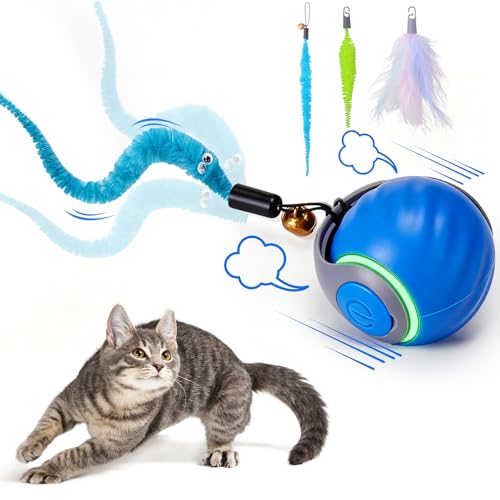
You turn around for two seconds, and suddenly you see the end of a piece of string dangling from your cat’s mouth. Your heart drops. It is a terrifying moment, but you need to stay calm and think clearly. Cats are naturally drawn to strings, ribbons, tinsel, and even dental floss because the movement triggers their prey drive. But once that string is swallowed, it can become a serious medical emergency called a linear foreign body. Here is exactly what you need to know and do, step by step.
Do NOT Pull the String
This is the single most important rule. If you see string sticking out of your cat’s mouth or rear end, do not pull it. Pulling can cause the string to saw through the intestines, leading to a rupture, infection, and a life-threatening condition called peritonitis. Think of it like a tightrope inside your cat’s digestive tract. The string is often anchored at one end, usually under the tongue or at the stomach, while the rest travels through the intestines. Pulling from either end can cause severe internal tearing. Instead, gently try to keep your cat calm and call your veterinarian immediately. If the string is very short and you can see it is not wrapped around anything, your vet may still advise you to leave it alone and bring your cat in.
If your cat is pawing at their mouth, gagging, drooling excessively, vomiting, or showing signs of distress, do not wait. This is an emergency. Head to the nearest veterinary clinic or emergency animal hospital right away.
Signs That Your Cat Swallowed String
You might not always witness the moment your cat eats a string. Sometimes you only notice the symptoms later. Watch for these red flags: repeated gagging or retching without producing anything, loss of appetite, lethargy, vomiting, diarrhea, or straining to poop. You might also notice your cat hiding more than usual or acting unusually quiet. If the string is caught under the tongue, your cat may drool or paw at their mouth. The longer the string stays inside, the more likely it is to cause a linear foreign body, where the intestines bunch up like an accordion on the string. This is extremely painful and requires surgery.
What the Vet Will Do
When you bring your cat to the vet, they will start with a physical exam, paying close attention to the mouth and feeling the abdomen. They may recommend X-rays, though string does not always show up clearly on a standard X-ray. Sometimes a contrast study (barium) or an ultrasound is needed to see if the string is causing a blockage or bunching. If the string is still in the stomach and has not moved into the intestines, the vet may be able to remove it with an endoscope, a non-surgical procedure. If the string has moved further and is causing damage, surgery is often the only option. The vet will open the abdomen, locate the string, and carefully remove it, repairing any damaged tissue. Most cats recover well after surgery, but the sooner you act, the better the outcome.
“A string is not a toy. It is a trap. The moment your cat swallows it, the clock starts ticking.”
Preventing String Ingestion in the Future
Once your cat is safe, it is time to cat-proof your home. Go through every room and pick up any string-like objects: sewing thread, embroidery floss, ribbon, yarn, shoelaces, hair ties, dental floss, and even the little plastic pulls from bread bags. Keep these items in closed drawers or containers. Be especially careful around holidays: tinsel and gift ribbons are irresistible to many cats. If your cat loves to chew on things, consider providing safe alternatives like sturdy cat scratching barrels and posts that satisfy their need to bite and claw. Also, keeping your cat mentally stimulated with interactive play can reduce their urge to hunt random objects. A calm cat is less likely to get into trouble, so some owners find that a calming diffuser kit helps lower anxiety in multi-cat households or during stressful seasons.
Did you know that cats have backward-facing barbs on their tongues called papillae? These barbs make it nearly impossible for a cat to spit out a string once it is inside their mouth. That is why they often swallow it by accident while trying to chew it.
When You Can Monitor at Home (and When You Cannot)
There is a very narrow window where a vet might advise at-home monitoring. This is only if your cat ate a very short piece of string (less than an inch), you saw it happen, and your cat is acting completely normal with no symptoms. Even then, your vet may ask you to check the litter box for the string and watch for any changes in behavior. Never try to induce vomiting at home unless your vet specifically tells you to, as the string can get stuck on the way back up. If your cat has a history of eating non-food items, talk to your vet about possible underlying issues like pica, which can sometimes be related to diet or stress. Feeding a high-quality food that helps reduce hairballs and supports digestion, such as indoor hairball cat food, can also help keep the digestive tract moving smoothly and reduce the risk of blockages from swallowed materials.
Long-Term Health and Habits
After your cat has recovered, it is a good idea to reassess their environment and daily routine. Cats that are bored or understimulated are more likely to chew on inappropriate items. Make sure your cat has plenty of enrichment: window perches, puzzle feeders, and regular play sessions with wand toys. If your cat loves to scratch, providing a high-quality cat scratching post can redirect their chewing and clawing instincts in a safe way. Also, consider feeding your cat from a elevated ceramic cat bowl, which can improve digestion and reduce the chance of regurgitation, making it easier for your cat to pass small foreign objects if they ever ingest something again. Remember, your cat relies on you to keep their world safe. A little prevention goes a long way.