If you’ve ever watched your bearded dragon settle in for the night, you might have noticed they seem to slow down, tuck in, and find a cozy spot. That’s not just them being sleepy, it’s their body responding to the natural cues of darkness and cooler temperatures. Getting the nighttime temperature drop right is one of the most important things you can do for your dragon’s long-term health. Let’s walk through exactly what that means and how to do it safely.
Why Your Bearded Dragon Needs a Cooler Night
Bearded dragons are ectothermic, meaning they rely on external heat to regulate their body temperature. In the wild, the desert cools off significantly after sunset. That nightly drop signals to their brain that it’s time to rest, digest, and repair. Without it, your dragon may become stressed, have trouble sleeping, and even develop metabolic issues over time. The ideal nighttime temperature for a bearded dragon is between 65 and 75 degrees Fahrenheit (18 to 24 degrees Celsius). This is about 10 to 15 degrees cooler than their daytime basking area. If your home stays within that range, you don’t need any extra heat at all.
“A cool, dark night is as important to a bearded dragon as a warm, bright day.”
How to Measure and Monitor Nighttime Temps
You can’t just guess the temperature in your dragon’s tank at night. A simple stick-on thermometer on the wall won’t cut it because it only measures the air temperature near the glass. Instead, use a digital thermometer with a probe placed on the cool side of the enclosure, near the substrate. You can also use an infrared temperature gun to spot-check the surface of the floor or a favorite sleeping spot. Many keepers use a thermostat that automatically adjusts heating, but remember, at night you want all heat sources off unless the room drops below 65 degrees. If you’re using a small reptile heat lamp for daytime basking, make sure it’s on a timer so it shuts off completely at night.
If your house stays between 68 and 72 degrees at night, you are likely in the perfect zone. Many owners worry too much about cold and end up overheating their dragons at night, which can actually be more harmful than a slight chill.
What Happens If It Gets Too Cold at Night
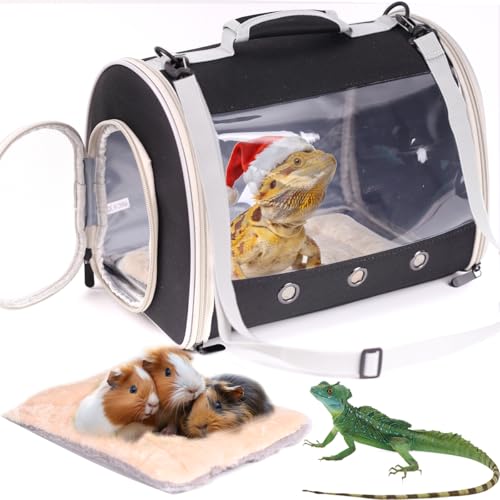
If your home drops below 65 degrees, your bearded dragon’s metabolism will slow down too much. They may become lethargic, stop eating properly, and have trouble digesting food from the day. In extreme cases, prolonged cold can lead to respiratory infections or even a state of brumation, which is a kind of hibernation. If you live in a colder climate or keep your home’s thermostat low at night, you need a backup plan. One safe option is a ceramic heat emitter (CHE) on a thermostat, set to keep the tank just above 65 degrees. Unlike a bright light, a CHE produces no light, so it won’t disrupt your dragon’s sleep cycle. Another option is to use an insulated reptile carrier if you need to move your dragon to a warmer room temporarily, but for daily use, focus on the enclosure itself.
Choosing the Right Nighttime Heat Source
Never use a red or blue “nighttime” bulb. These colored lights are actually visible to reptiles and can disturb their sleep, causing stress and eye strain. Stick to non-light-emitting heat sources only. A ceramic heat emitter is the most common and reliable choice. Place it over the warm side of the enclosure but set it to a lower temperature than your daytime basking spot. You can also use a heat mat under the tank on a thermostat, but be careful because heat mats can create hot spots and don’t warm the air well. If you’re looking for a complete setup, consider a reptile tank with good insulation or a solid top that helps retain heat without needing extra wattage. Always use a thermostat with any heat source to prevent overheating.
Signs Your Dragon Is Too Cold or Too Hot at Night
Your dragon will tell you if something is off. If they are too cold at night, they might sleep in a tight ball, refuse to move in the morning, or have a dark, almost black beard. If they are too hot, they may sleep flat on the cool side, pant (open-mouthed breathing), or try to burrow into the substrate. A healthy dragon at night should be relaxed, limbs tucked, and breathing slowly. In the morning, they should wake up alert and move to their basking spot within 30 to 60 minutes. If you notice any of these warning signs, check your temperatures immediately and adjust. If you’re unsure, ask your veterinarian for guidance, especially if your dragon shows signs of illness like wheezing or discharge.
Seasonal Adjustments and Travel Tips
Your nighttime temperature needs will change with the seasons. In summer, your home might stay warm enough that you need no extra heat at all. In winter, you may need to add a CHE or move the enclosure to a warmer room. Always check the forecast if you lose power or have a cold snap. If you travel with your dragon, maintaining the right nighttime temperature is even trickier. A good reptile carrier with proper ventilation and insulation can help, but you should also bring a portable thermometer and a backup heat pack just in case. Never leave your dragon in a cold car overnight. Plan ahead and test your setup before you go.
If your bearded dragon seems sick or has not eaten for more than a few days, do not rely solely on temperature adjustments. Contact a reptile veterinarian for a proper checkup. Temperature is crucial, but it is not a cure-all for health issues.