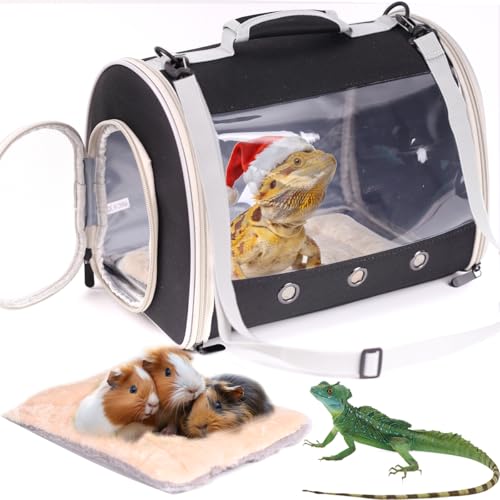
Bringing home a baby leopard gecko is an exciting milestone, and you probably want to bond with them right away. But when it comes to handling, less is more. A 10 minute walk is the sweet spot for a young gecko. It gives them enough time to explore your hands and a safe space without pushing them into stress overload. Think of it as a short, gentle introduction to the world outside their tank. In this guide, you will learn exactly why 10 minutes works, how to read your gecko’s signals, and what gear makes those first walks safe and comfortable for both of you.
Why 10 Minutes Is the Magic Number for Baby Geckos
Baby leopard geckos are still growing, and their bodies are not built for long excursions. Their small size means they lose heat quickly, and their nervous systems are easily overwhelmed by new sights, sounds, and movements. A 10 minute walk keeps the experience positive and prevents your gecko from becoming too cold or stressed. Studies on reptile handling show that short, consistent sessions build trust faster than long, infrequent ones. You want your baby to associate your hands with safety, not a marathon. Stick to 10 minutes, and you will see them relax and even start to explore on their own.
How to Read Your Baby Gecko’s Stress Signals During a Walk
Even a short 10 minute walk can be too much if your gecko is not ready. Watch for these signs that it is time to end the session early: rapid breathing, tail wagging or dropping, darkening of the skin, or trying to jump off your hand. If you see any of these, gently place them back in their tank and let them rest. A calm gecko will move slowly, flick their tongue, and maybe even close their eyes while perched on your palm. Remember, the goal is not to push them, it is to build trust. If 10 minutes feels too long, try 5 minutes instead. You can always increase the time as they grow.
“A 10 minute walk is not about distance, it is about connection. Let your gecko set the pace.”
Setting Up the Perfect Environment for Your Baby’s First Walks
Before you even pick up your baby gecko, make sure the room is warm and draft-free. A temperature around 75 to 80 degrees Fahrenheit is ideal. You can also place a small, soft cloth or towel on your lap or a table to give them a non-slip surface. Avoid high places like beds or counters where a fall could hurt them. If you want to let them explore a bit more, consider using a front-opening reptile tank as a safe playpen. The front opening design reduces handling stress because you can reach in gently without looming over them. Just make sure the tank is clean and has no sharp edges.
Baby leopard geckos have a natural instinct to hide when scared. A 10 minute walk in a quiet room with a small hide box nearby can make them feel secure enough to actually explore your hand.
Choosing the Right Gear for Safe and Comfortable Walks
You do not need a leash or harness for a leopard gecko, but you do need the right setup. Start with a proper leopard gecko tank that gives them room to thrive when they are not being handled. A tank that is too small can cause stress that carries over into handling time. For the walk itself, use a clean, soft surface like a fleece blanket or a reptile-safe mat. Avoid sand or loose substrate during handling because it can get in their eyes or mouth. If you want to use sand in their tank, check out the best terrarium sand for safe options. Also, make sure your hands are washed and free of any lotions or perfumes. Your gecko will pick up on scents, so keep it natural.
Feeding and Hydration Tips Before and After a Walk
Never handle a baby leopard gecko right after they eat. Wait at least 24 hours after a meal to avoid regurgitation or stress. A 10 minute walk is best done when your gecko is alert and active, usually in the evening. After the walk, offer them a shallow dish of fresh water and a few gut-loaded crickets or mealworms. A healthy diet is key to a calm, confident gecko. For a complete guide on what to feed them, look at what is the best leopard gecko food to keep them strong and happy. If your gecko seems extra tired after a walk, reduce the time to 5 minutes and gradually work up. Always check with your vet if you notice any signs of illness or unusual behavior.
Building a Routine That Works for You and Your Gecko
Consistency is more important than length. Try to do a 10 minute walk at the same time each day, preferably in the evening when your gecko is naturally active. This routine helps them feel secure because they know what to expect. Over time, your baby gecko will start to recognize you and may even walk toward your hand when you open the tank. Keep sessions positive and end on a good note, even if that means stopping at 8 minutes. A happy, relaxed gecko will look forward to these walks, and you will build a bond that lasts a lifetime.