Setting up your bearded dragon’s home is one of the most exciting parts of being a reptile owner, but the substrate decision can feel overwhelming. You want something that looks natural, keeps your dragon healthy, and doesn’t make cleaning a nightmare. The two most popular options are sand and tile, and each has strong supporters. Let’s walk through what really matters so you can pick the best foundation for your enclosure.
Why Substrate Matters for Bearded Dragons
Your bearded dragon spends nearly all its time on the floor of its tank, so the surface beneath its feet affects digestion, joint health, hygiene, and behavior. A poor choice can lead to impaction, respiratory issues, or stress. The right substrate supports natural digging, easy cleanup, and proper heat distribution. Whether you lean toward sand or tile, understanding the trade-offs helps you avoid costly mistakes. If you’re still deciding on the tank itself, check out our Expert Picks: 4 Best Reptile Tanks of 2026 for size and ventilation tips.
Sand: The Natural Look With Real Risks
Sand mimics the arid Australian outback where bearded dragons come from. It allows burrowing, which many dragons enjoy, and it can help regulate humidity in the enclosure. However, the biggest concern is impaction. If your dragon accidentally ingests sand while eating, it can build up in the digestive tract and cause blockages. This is especially dangerous for juveniles, who are more curious and less efficient at passing foreign material. Even with calcium-based or digestible sands, the risk never fully disappears. You also need to spot-clean daily and replace the entire batch every few months to prevent bacteria buildup. For those who want to try sand safely, we recommend pairing it with a high-quality product from our Expert Pick: Best Terrarium Sand for Your Reptile guide, which focuses on low-dust, non-toxic options.
Tile: The Safe, Low-Maintenance Champion
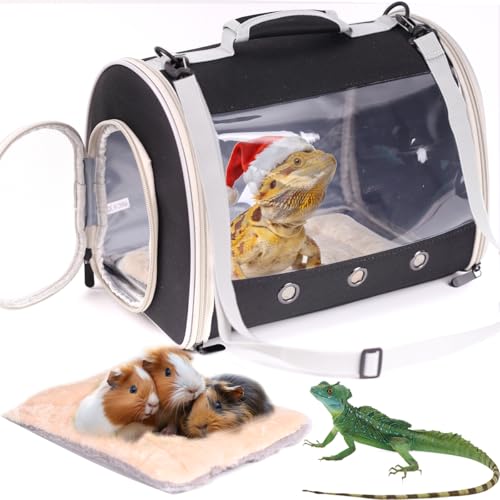
Slate or ceramic tile is a favorite among experienced owners for good reason. It’s non-particulate, so there is zero risk of impaction from ingestion. Tile also files down your dragon’s nails naturally as it walks, reducing the need for trimming. Cleaning is simple: just wipe up messes with a reptile-safe disinfectant, and replace any cracked tiles as needed. Tile holds heat well, creating a warm basking spot that mimics sun-baked rock. The downside is that tile does not allow digging, which some dragons miss. You can add a small dig box filled with sand or soil in one corner to give your pet that enrichment without covering the whole floor. If you want to add extra comfort for your dragon during travel or vet visits, a Need a Reptile Carrier? Here Are Our Top 5 Picks can make trips safer and less stressful.
Bearded dragons in the wild spend hours on sun-warmed rocks. Tile mimics that surface perfectly, helping them thermoregulate more efficiently than loose sand, which stays cooler at the surface.
Comparing Heat, Hygiene, and Cost
Heat retention: Tile absorbs and radiates heat evenly, creating a consistent basking area. Sand tends to stay cooler on top and can shift, making it harder to maintain a precise temperature gradient. Hygiene: Tile wins hands down. You can sanitize it with a 1:10 bleach solution or a reptile-safe cleaner, and it dries fast. Sand requires frequent sifting and full replacement, which gets expensive over time. Cost: A one-time purchase of tile from a hardware store costs about $10 to $30 for a standard 40-gallon tank. Sand runs $15 to $25 per bag and needs replacing every few months. Over a year, tile saves you money and time.
What About Mixed Substrates or Alternatives?
Some owners use a combination: tile on the warm side for basking and a small sand area on the cool side for digging. This gives your dragon the best of both worlds while limiting risk. Other alternatives include reptile carpet, paper towels, and non-adhesive shelf liner. Paper towels are great for quarantine or sick dragons because they are sterile and disposable, but they look plain. Reptile carpet can snag claws and is hard to clean thoroughly. If you want a liner that is easy to swap out, check out our Lizard Liners: 5 Best Options Reviewed for 2026 for durable, washable choices.
“The best substrate is one your dragon can live on safely for years, not just one that looks pretty for a photo.”
Making Your Final Decision
If you have a juvenile, a dragon with a history of digestive issues, or you want the easiest cleanup, tile is the clear winner. If you prioritize natural digging behavior and are willing to monitor feeding closely, sand can work with precautions like feeding in a separate dish and using a calcium-based sand. Whichever you choose, make sure the enclosure has a proper temperature gradient, UVB lighting, and a hide. For extra warmth during cooler months, a quality heat lamp is essential, and you can find budget-friendly options in our 5 Best Small Reptile Heat Lamps Under 50 (2026) Reviewed. Remember, your dragon’s health always comes first. If you notice any signs of lethargy, loss of appetite, or straining to defecate, consult your veterinarian promptly.