If your cat has suddenly started peeing outside the litter box or seems to be straining, your first thought might be a behavioral issue. But more often than not, especially in cats under 10, these are classic signs of a urinary tract infection (UTI) or a broader feline lower urinary tract disease (FLUTD). Cats are masters at hiding discomfort, so it’s up to you to catch the early whispers. Let’s walk through what to watch for, how to tell the difference between a UTI and stress, and what you can do right now to help your cat feel better.
1. The Litter Box is Telling You Something
The number one sign of a UTI is a change in litter box habits. Your cat may start going outside the box, especially on cool surfaces like tile or a bathtub. They might also make more frequent trips to the box but only produce a few drops of urine. Pay close attention to the urine itself: if you see blood (pink or red tinge), strong ammonia smell, or cloudy urine, that’s a red flag. Some cats will also cry out or meow while trying to pee because it burns. If you notice any of these, it’s time to call your vet. While you’re monitoring their comfort, make sure their environment is low-stress. A calm cat is less likely to develop stress-induced urinary issues, and using a calming diffuser kit can help reduce anxiety that often worsens bladder problems.
2. Straining, Crying, and Excessive Grooming
Watch your cat when they are in the box. If they are hunched over, straining for a long time, and only producing a tiny bit of urine (or nothing at all), that’s a major sign. This can look like constipation, but with a UTI, the cat is trying to pee, not poop. Another common sign is excessive licking of the genital area. Cats will groom themselves raw trying to soothe the irritation. If your cat is suddenly obsessed with cleaning down there, don’t ignore it. Also, if your cat is male and is straining with no urine output, this is a life-threatening emergency (urethral blockage) and requires immediate veterinary attention. Do not wait.
3. Behavioral Changes: Hiding, Aggression, or Restlessness
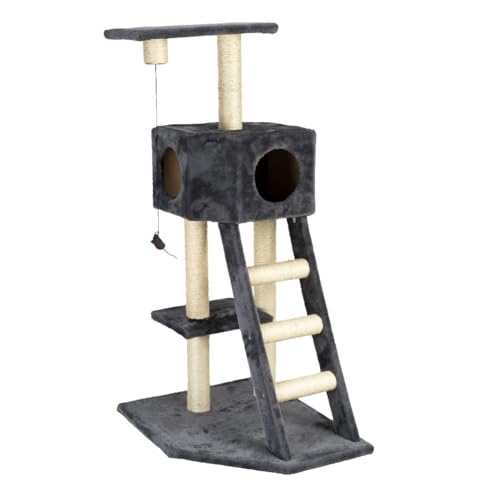
A cat in pain will often act differently. A normally friendly cat might hide under the bed, hiss when approached, or become irritable when you touch their lower back or belly. Others become restless, getting in and out of the litter box repeatedly, unable to settle. Some cats will even sit in the box for long periods without doing anything. These behavioral shifts are your cat’s way of saying, “Something hurts.” To keep your cat comfortable while you wait for a vet appointment, ensure they have a quiet, safe space. A cozy hideaway or a familiar scratching barrel can give them a sense of security and a place to stretch and release tension.
“A cat that suddenly pees on your bed isn’t being spiteful, they are sending you a distress signal. Listen to the litter box.”
4. Increased Thirst and Changes in Appetite
While not as common as the litter box signs, some cats with a UTI will drink more water than usual. This is because their body is trying to flush out the infection. You might also notice a decrease in appetite or even vomiting. If your cat is also lethargic and not interested in their favorite treat, that’s another clue. To encourage hydration (which is crucial for preventing UTIs), make sure fresh water is always available and consider switching to a wet food diet. Also, avoid feeding dry foods high in magnesium, which can contribute to crystals. For a balanced diet that supports urinary health, check out our guide on the best indoor hairball cat food, which often includes ingredients that promote hydration and healthy digestion.
Female cats get UTIs more often than males due to their shorter urethra. However, male cats are at higher risk for life-threatening urethral blockages. If your male cat is straining to pee, do not wait for a vet appointment, go to an emergency vet immediately.
5. What to Do If You Suspect a UTI
First, do not try home remedies or over-the-counter treatments without a vet’s guidance. Many human remedies (like cranberry juice) are not safe for cats. Your vet will need a urine sample to diagnose a UTI. To collect one, you can use non-absorbent litter (like plastic beads) or a clean turkey baster from the litter box. Your vet may prescribe antibiotics if it’s a bacterial infection, or recommend a special diet if it’s related to crystals or stress. While your cat recovers, reduce their stress as much as possible. Keep their litter box very clean, provide multiple boxes if you have multiple cats, and offer a calm environment. Sometimes, simply changing their elevated ceramic cat bowl can encourage better posture while eating and drinking, which can indirectly help with overall comfort and hydration.
6. Prevention: Small Changes, Big Impact
Preventing UTIs is often about good daily habits. Encourage water intake with a cat fountain or multiple water bowls placed away from their food. Feed a high-quality, moisture-rich diet. Keep the litter box spotless (scoop daily, wash weekly). And most importantly, manage stress. Cats are sensitive to changes in routine, new pets, or even a dirty litter box. Providing enrichment like window perches, interactive toys, and a sturdy scratching post can help them feel secure and reduce stress-related urinary issues. If your cat is prone to UTIs, talk to your vet about a prescription urinary diet or supplements. Remember, early detection is key, so trust your gut and don’t hesitate to ask your vet if something feels off.