Bringing your cat home after spay or neuter surgery can feel a little nerve-wracking, but you have got this. The recovery period is usually short, just 10 to 14 days, and with a few simple adjustments, you can help your cat heal comfortably and safely. Whether you have a curious kitten or a laid-back adult cat, these recovery tips will guide you through the process step by step, keeping your cat calm and your home peaceful.
Set Up a Quiet Recovery Space
Your cat needs a calm, confined area to rest for the first few days. Choose a small room like a bathroom or a spare bedroom, away from loud noises, other pets, and children. Place a soft bed or blanket on the floor, along with easy access to fresh water and a low-sided litter box. Cats often feel groggy after anesthesia, so keeping everything on one level prevents falls. If your cat has allergies, a clean, low-dust environment is extra important during recovery, and you can learn more about how often to bathe a cat with allergies to keep their skin comfortable without stressing the surgical site.
Manage the Cone or Recovery Suit Gently
Your vet will likely send your cat home with an Elizabethan collar (the cone) or a soft recovery suit. This is not optional, it prevents licking and biting at the incision, which can cause infection or open the wound. Many cats hate the cone at first, but they usually adjust within a day or two. If your cat seems very stressed, try a soft fabric cone or a recovery suit instead, as long as your vet approves. Give your cat short supervised breaks without the cone only if they are calm and you can watch them closely. Remember, licking is a major cause of complications, so stick with the protection for the full recommended time.
Monitor the Incision Site Daily
Check the incision twice a day for any signs of trouble. A normal incision looks clean, with edges that are close together, and may have a small amount of clear or slightly bloody discharge. You might see some mild bruising or swelling, which is normal. Call your vet if you notice heavy bleeding, pus, a foul smell, redness spreading around the site, or if the incision opens up. Also watch for your cat licking excessively, even with the cone on. If your cat seems overly lethargic, refuses to eat for more than 24 hours, or has vomiting or diarrhea, contact your vet right away. These could be signs of infection or a reaction to anesthesia.
Most cats are spayed or neutered between 4 and 6 months old, but adult cats recover just as well. The surgery is routine, and complications occur in less than 5% of healthy cats when proper aftercare is followed.
Keep Your Cat Calm and Restrained
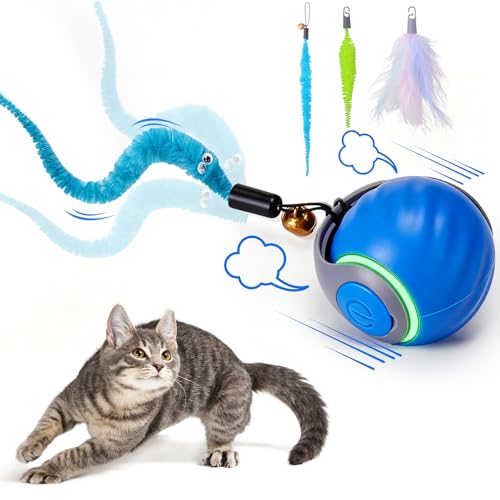
Jumping, running, and rough play can tear stitches or cause internal bleeding. For the first week, keep your cat indoors and limit their activity. If you have a high-energy kitten, try engaging them with gentle toys like a feather wand that they can watch from a resting spot, or offer puzzle feeders to keep their mind busy without moving much. Carry your cat up and down stairs, and block access to high furniture like counters or cat trees. If you have other pets, introduce them slowly after a few days, but supervise all interactions. A calm cat heals faster, so prioritize quiet bonding time like gentle brushing or simply sitting together. For cats prone to hairballs, recovery is a good time to brush them lightly, and you can check how often to brush a cat prone to hairballs to keep their coat healthy without overstimulating them.
Feed a Light, Easy Diet
After anesthesia, your cat may have a reduced appetite for the first 24 hours. Offer small amounts of their regular food, or a bland option like boiled chicken or a recovery diet recommended by your vet. Make sure fresh water is always available. Some cats experience nausea or vomiting after surgery, so feed small portions several times a day rather than one big meal. If your cat has known food sensitivities, stick to their usual hypoallergenic diet to avoid upsetting their stomach during recovery. You can learn more about hypoallergenic cat diet homemade food if you want to prepare a gentle meal, but always check with your vet first. Avoid treats or new foods until your cat is fully healed.
“A quiet room, a soft bed, and your calm presence are the best medicine for a recovering cat.”
Watch for Common Post-Op Issues
Besides incision problems, watch for other common issues. Some cats get constipated from the pain medication or reduced activity. If your cat has not pooped within 48 hours after surgery, call your vet for advice. Sneezing or a runny nose can happen from the breathing tube used during anesthesia, but if it continues more than a day, check with your vet. If your cat has allergies, recovery can sometimes trigger sneezing fits, and you can read more about why does my allergic cat sneeze so much to understand the difference between normal post-op symptoms and allergy issues. Also, keep an eye out for hairballs, as reduced grooming during recovery can cause them to build up. If your cat vomits a hairball, it is usually not serious, but you can learn can hairballs cause vomiting in cats to know when to be concerned.
Finally, trust your instincts. You know your cat better than anyone. If something feels off, call your vet. They expect questions and would rather reassure you than miss a problem. With a little patience and these recovery tips, your cat will be back to their playful, purring self in no time.