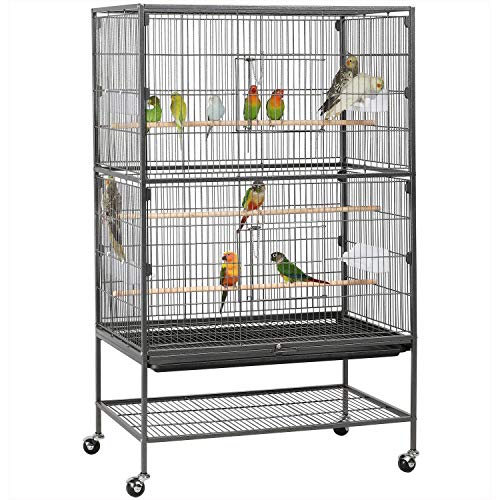
If you share your home with a parakeet, you already know how curious and food-motivated these little birds can be. Offering fresh fruit is one of the best ways to add variety and vitamins to their diet, but it’s not as simple as just handing over a slice of whatever you’re eating. Some fruits are excellent, some are okay in tiny amounts, and a few can be dangerous. This guide walks you through exactly which fruits your parakeet can eat, how to serve them, and what to watch out for. And while you’re setting up a healthy feeding routine, don’t forget that a comfortable home matters too. A good parakeet cage with safe spacing helps keep your bird active and stress-free while they enjoy their treats.
Safe Fruits for Parakeets: The Full List
Most fruits that are safe for humans are also safe for parakeets, as long as you remove seeds, pits, and rinds that could be toxic. Here are the top choices you can offer regularly:
- Apples (remove seeds and core)
- Bananas (peeled, soft flesh only)
- Blueberries (whole, washed)
- Strawberries (sliced or whole)
- Melons (cantaloupe, honeydew, watermelon , avoid rind)
- Mango (peeled, pit removed)
- Papaya (seeds removed)
- Pears (remove seeds)
- Peaches (remove pit)
- Plums (remove pit)
- Cherries (remove pit)
- Kiwi (peeled or washed, sliced)
- Grapes (halved to prevent choking)
- Raspberries (fresh or frozen, thawed)
These fruits are packed with vitamins A, C, and antioxidants that support your parakeet’s immune system and feather health. Just remember, fruit should never replace their main diet of high-quality pellets and fresh vegetables.
Did you know that parakeets can taste sweetness? They have taste buds that respond to sugar, which is why they often go crazy for a slice of ripe mango or a juicy blueberry. But their sweet tooth doesn’t mean they need a lot of sugar, so keep portions small.
Fruits to Avoid: What’s Toxic for Parakeets
Not all fruits are safe. Some contain compounds that can make your parakeet very sick, even in tiny amounts. Never feed your parakeet these fruits:
- Avocado (contains persin, which is toxic to birds)
- Cherry pits, apple seeds, and peach pits (contain cyanide)
- Rhubarb (high in oxalic acid)
- Grapefruit (high acidity can upset digestion)
- Lemon and lime (too acidic, can cause mouth irritation)
- Dried fruit with added sugar or preservatives (check labels, avoid sulfites)
If you’re ever unsure about a specific fruit, a quick call to your avian vet can save you worry. It’s always better to stick with the safe list above.
How to Prepare Fruit for Your Parakeet
Preparation matters more than you might think. Parakeets have small beaks and delicate digestive systems, so how you cut and serve fruit can make a big difference. Follow these steps:
- Wash thoroughly under running water to remove pesticides. Organic is best, but washing still helps.
- Remove all seeds, pits, and cores before serving. Even small amounts of apple seeds can be harmful over time.
- Cut into small, bite-sized pieces about the size of a pea. This prevents choking and makes it easy for them to hold.
- Serve at room temperature. Cold fruit straight from the fridge can shock their system. Let it sit for 10 minutes first.
- Offer in a separate dish from their main food to keep pellets and seeds dry and prevent spoilage.
Fresh fruit spoils quickly, especially in a warm cage. Remove any uneaten fruit after two to three hours to avoid bacteria growth. If you have more than one parakeet, consider a parakeet cage for 2 birds with separate feeding stations so each bird gets their fair share.
“A little fruit goes a long way. Think of it as a treat, not a meal. Your parakeet’s main diet should always be balanced pellets and fresh veggies.”
How Much Fruit Should You Feed?
Fruit is high in natural sugar, which can lead to obesity, fatty liver disease, and behavioral issues if overfed. A good rule of thumb is to offer fruit as no more than 10% of your parakeet’s total daily food intake. That’s roughly one to two small pieces (about the size of your thumbnail) per day, or a few blueberries or raspberries. For smaller parakeets like budgies, even half a grape is plenty. If you notice your bird picking out only the fruit and ignoring pellets or veggies, cut back. You can also use fruit as a training reward or hide it in foraging toys to make mealtime more engaging. Speaking of rewards, check out some healthy options in our list of parakeet treats your bird will love to supplement their fruit intake.
Can Parakeets Eat Frozen or Dried Fruit?
Yes, but with caveats. Frozen fruit is a great option when fresh isn’t available. Look for packages with no added sugar, syrup, or preservatives. Thaw the fruit completely and bring it to room temperature before serving. Dried fruit is more tricky. Most dried fruits are coated in sugar or sulfur dioxide to preserve color, both of which are unhealthy for parakeets. If you want to offer dried fruit, choose unsulfured, unsweetened varieties like dried mango or papaya, and rehydrate them in water for a few minutes to soften them up. Even then, feed dried fruit very sparingly because it’s concentrated in sugar. Always check the ingredient list. If it says anything other than the fruit itself, skip it.
Signs Your Parakeet Loves (or Hates) a New Fruit
Parakeets have strong opinions. When you introduce a new fruit, watch their body language. A bird that’s interested will hop over, tilt its head, and start nibbling. They might even chirp or bob their head. If they ignore the fruit, toss it away, or fluff up and back off, they probably don’t like it. Don’t force it. Try offering the same fruit again in a few weeks, prepared differently (sliced vs. mashed). Some parakeets prefer fruit that’s slightly mashed or grated because it’s easier to eat. Others like it hanging from a skewer or clipped to the cage bars. Experiment with presentation. And if you’re looking for ways to make their cage more fun, a bird swing perch near their food bowl can encourage them to explore new foods while playing.
If your parakeet suddenly refuses all fruit after previously enjoying it, or if they show signs of digestive upset like loose droppings, stop offering fruit and consult your vet. Every bird is different, and some may have sensitivities. As always, when in doubt, ask your avian veterinarian for personalized advice for your feathered friend.