If you share your home with a cat, you have probably wondered how much time you will get together. The short answer is that indoor cats typically live between 12 and 18 years, and it is not unusual for a well-cared-for cat to reach 20 or even 22. That is a long, wonderful stretch of purrs and lap naps. But the difference between a cat who lives 12 years and one who lives 20 often comes down to the small, daily choices you make. Let’s walk through what really shapes an indoor cat’s lifespan, so you can give your companion the best shot at a long, healthy life.
The Average Lifespan of an Indoor Cat vs. Outdoor Cats
Indoor cats live dramatically longer than cats who roam outside. While an outdoor cat’s average lifespan hovers around 2 to 5 years due to traffic, predators, disease, and fights, an indoor cat’s life is measured in decades. The protected environment removes most of the acute risks. Your cat does not face cars, territorial battles, or exposure to parasites and viruses from unknown animals. That safety net is the single biggest factor in their longevity. Keeping your cat indoors is the most effective decision you can make for their lifespan, but it also means you take on the responsibility of providing enrichment, proper nutrition, and regular veterinary checkups.
Genetics and Breed Influence How Long Your Cat Lives
Just like people, some cats are dealt a longer genetic hand. Mixed-breed cats (domestic shorthairs and longhairs) tend to be very robust and often live into their late teens or early twenties. Purebred cats have more variability: a Siamese or Burmese might regularly hit 18 or 20, while larger breeds like Maine Coons average closer to 12 to 15 years. Brachycephalic breeds such as Persians can have shorter lifespans due to respiratory and dental issues. Genetics are not something you can change, but knowing your cat’s breed background helps you anticipate health issues. Regular vet visits and a good cat probiotic supplement can support digestion and immune health, which is especially helpful for breeds prone to sensitive stomachs.
Nutrition: The Foundation of a Long Life
What you put in your cat’s bowl matters more than almost anything else. A high-quality, protein-rich wet food with moderate fat and low carbohydrates mirrors what a cat’s body evolved to eat. Dry food is convenient, but it often lacks moisture, which can contribute to chronic dehydration and kidney issues over time. Many cats also eat too much, and obesity is a direct lifespan shortener. It increases the risk of diabetes, arthritis, and liver problems. Feeding measured portions and using elevated cat bowls can improve posture during meals and reduce neck strain, especially for older cats. A good rule is to feed two to three small meals a day rather than leaving food out all the time. And always provide fresh, clean water, preferably from a fountain, because cats drink more when water is moving.
A cat who eats a moisture-rich diet and stays at a healthy weight can add two to three years to their life compared to a cat who eats only dry kibble and is overweight. That is a big return for a small change.
Preventive Veterinary Care and Vaccinations
Indoor cats still need annual or semi-annual vet visits. Many owners skip these because their cat seems fine, but cats are masters at hiding illness. A yearly checkup catches early signs of kidney disease, hyperthyroidism, dental disease, and arthritis before they become serious. Vaccinations for rabies and core viruses are still important, even for indoor cats, because you can carry pathogens in on your shoes or clothes. Dental health is especially critical: periodontal disease can lead to heart and kidney infections that shorten life. Ask your vet about a dental care routine, and do not forget grooming tools. A cat nail grinder like the Dremel 7300-PT makes nail trims less stressful, which helps keep handling and vet visits positive.
Environmental Enrichment and Stress Reduction
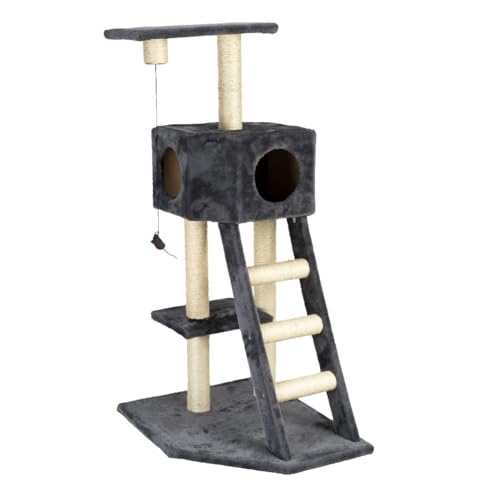
Indoor life is safe, but it can be boring. Chronic stress weakens the immune system and can lead to urinary tract issues, overgrooming, and behavioral problems. Your cat needs outlets for their natural instincts: climbing, scratching, hunting, and perching. Provide cat trees, window perches, puzzle feeders, and interactive play sessions. A predictable routine also lowers stress. If your cat is particularly anxious, especially during travel or vet visits, a cat calming collar can help take the edge off without medication. And if you ever travel, a comfortable airline approved cat carrier makes the trip less scary for both of you. A calm, enriched cat is a healthier cat.
“The safest place for a cat is indoors, but the happiest place for a cat is one where they feel challenged, loved, and understood.”
Common Age-Related Changes and When to Adjust Care
Around age 10 or 11, your cat enters their senior years. You may notice they sleep more, jump less, and drink more water. These are normal, but they also signal that it is time to adjust their environment. Place beds in warm, low-traffic areas, add steps or ramps to furniture, and switch to shallow litter boxes for easier access. Senior cats also benefit from joint supplements and softer foods. Monitor their weight monthly. A sudden loss or gain is a red flag. And keep an eye on their litter box habits: changes in frequency or consistency are often the first clue of a health problem. Catching issues early is the best way to preserve quality of life in those later years.