It happens in a flash. You turn your back for one minute, and your dog has already snagged a sock from the laundry basket and swallowed it whole. You are not alone, and this is one of the most common foreign body calls vets get. The good news is that many socks pass on their own, but some can cause serious blockages. Here is exactly what you need to do, step by step, to keep your dog safe.
Step 1: Stay Calm and Assess the Situation
Panic helps no one, least of all your dog. Take a deep breath. First, figure out what kind of sock it was. A small, thin ankle sock is less risky than a thick, long tube sock. Also consider your dog’s size. A Great Dane might pass a sock without issue, while a Chihuahua is at much higher risk for an obstruction. Check if your dog is showing any immediate signs of distress: coughing, gagging, pawing at the mouth, or trouble breathing. If they are choking right now, open their mouth carefully and see if you can safely remove the sock with your fingers or a pair of tweezers. Only do this if you can see the sock clearly and your dog is calm. If they are panicking or you cannot see it, stop and get to the vet immediately.
Step 2: Call Your Veterinarian or a Pet Poison Helpline
Do not wait to see what happens. Call your vet right away. They will ask about your dog’s breed, size, the type of sock, and how long ago it was swallowed. They may tell you to come in for an exam or advise you to monitor at home. Never induce vomiting unless your vet specifically tells you to. If the sock is too large or has sharp parts (like a button or a zipper), vomiting can cause more damage on the way back up. Your vet might recommend giving a small meal to help cushion the sock as it moves through the digestive tract. Follow their instructions exactly. If you have a breed prone to bloat or sensitive stomachs, like a Cane Corso, it is extra important to get professional advice early. For example, if your Cane Corso swallows a sock, you might also want to check out our guide on best dog bowls for Cane Corsos to help with slow feeding and digestion once they are back to normal.
If your dog is vomiting repeatedly, has a bloated or painful belly, is lethargic, or has not pooped in 24 hours, go to the emergency vet immediately. These are signs of a possible intestinal blockage, which is life-threatening.
Step 3: Monitor for Signs of Obstruction
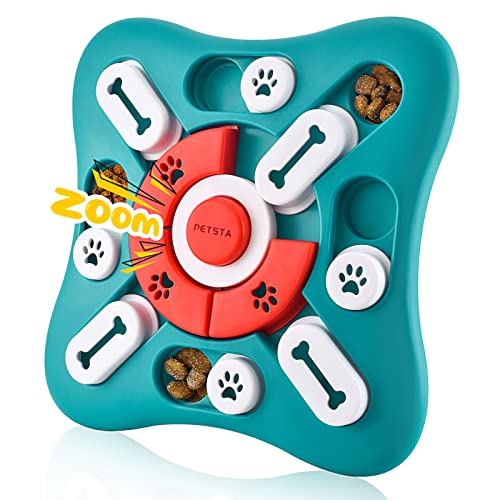
If your vet says to watch and wait, you need to be a detective for the next 24 to 48 hours. Watch for these signs: vomiting (especially after eating or drinking), loss of appetite, straining to poop or no poop at all, a hunched back, whining, or a swollen belly. A sock can get stuck in the esophagus, stomach, or intestines. If it gets stuck in the small intestine, it is a surgical emergency. Keep your dog calm and quiet during this time. No running, jumping, or rough play. Offer small amounts of water frequently. You can also feed a bland diet like boiled chicken and rice to help things move along. If your dog is an active breed like an Australian Shepherd, keeping them still can be a challenge. Providing a puzzle toy for Australian Shepherds might help distract them mentally while they recover, but only if your vet says it is safe to give them any toys at all.
Step 4: Check the Poop (Yes, Really)
This is the least glamorous part of dog ownership, but it is crucial. You need to check your dog’s stool for the sock. It can take anywhere from 12 hours to 3 days for a sock to pass through the entire digestive system. Use a stick or a glove to break up the poop and look for the sock material. If you do not see it within 48 hours, or if your dog stops eating or starts vomiting, call your vet back. Some dogs pass the sock in pieces, so do not assume it is gone just because you do not see a whole sock. If your dog is on a high-quality diet that supports healthy digestion, like the options in our guide on best dog foods for Cane Corsos, it can help keep things moving smoothly. But even the best food cannot prevent a blockage from a large sock.
A sock is not a snack. If it goes in, it has to come out one way or another. Watch the poop, or call the vet.
Step 5: When Surgery Is Needed
If the sock does not pass and your dog shows signs of a blockage, surgery is the only option. The vet will likely do X-rays or an ultrasound to confirm the location of the sock. Surgery involves opening the abdomen and removing the sock from the stomach or intestine. Recovery usually takes a few weeks and includes pain medication, a special diet, and limited activity. The cost can range from $1,500 to $5,000 or more, depending on your location and the complexity. This is why prevention is so important. Keep laundry off the floor, use a hamper with a lid, and keep an eye on your dog when they are in the bedroom or bathroom. If your dog is a chewer, make sure they have safe, durable toys that are too big to swallow. For example, if you have a dog that loves to chew, a tough puzzle toy for Australian Shepherds can redirect that urge away from your socks.
Dogs are drawn to socks because they smell like you. Your scent is comforting to them, and the texture is fun to chew. It is not naughtiness, it is affection, but it can still land them in the ER. Keep your socks in a closed drawer or hamper.
Step 6: Prevention for the Future
After the crisis is over, it is time to sock-proof your home. Make it a habit to put dirty socks directly into a closed hamper. Teach your dog a strong “leave it” or “drop it” command. Provide plenty of appropriate chew toys and rotate them to keep them interesting. If your dog is a breed known for eating non-food items (a condition called pica), talk to your vet about possible causes like nutritional deficiencies or anxiety. Some dogs eat socks out of boredom, so increasing their mental and physical exercise can help. A tired dog is a good dog. If you have a breed like an Australian Shepherd, they need plenty of stimulation, and you can learn more about their temperament in our guide on are Australian Shepherds good family dogs. And if your dog tends to gulp their food too fast, which can increase the risk of swallowing foreign objects, consider using a slow feeder bowl to encourage more careful eating.