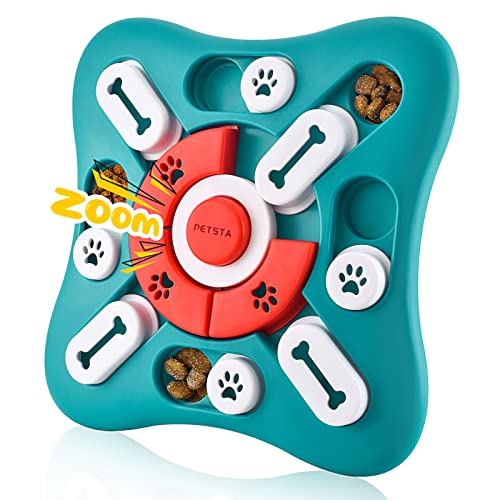
Walking down the treat aisle can feel overwhelming with so many bags, boxes, and bins promising better behavior, cleaner teeth, and a happier pup. You want to give your dog something special, but you also want to make sure it is good for them. So, what treats do vets actually recommend? The short answer: treats that are simple, minimally processed, and low in empty calories. Vets generally steer owners toward options with recognizable ingredients, a clear purpose (like dental health or training), and a sensible calorie count. Let’s break down exactly what to look for and what to avoid, so you can treat your dog with confidence.
1. Single-Ingredient Freeze-Dried or Dehydrated Meat Treats
One of the most vet-friendly categories is single-ingredient treats. These are exactly what they sound like: one protein source, like chicken breast, beef liver, salmon, or duck, that has been freeze-dried or gently dehydrated. No fillers, no preservatives, no mystery meat. Vets like these because they are easy to digest, highly palatable, and allow you to control exactly what your dog is eating. They are also great for dogs with food sensitivities or allergies. Just keep an eye on the calorie density, a tiny piece of freeze-dried liver can pack more calories than a larger biscuit. Break them into smaller bits for training, especially if your dog is on a weight management plan. For a dog that loves to lounge, pairing a low-calorie treat with a comfortable spot like a cooling mat on a warm day can make for a perfect, relaxing reward.
2. Dental Chews with the VOHC Seal
Dental health is a huge part of overall wellness, and vets often recommend dental chews that carry the Veterinary Oral Health Council (VOHC) seal of acceptance. This seal means the product has been scientifically tested and proven to reduce plaque and tartar buildup. Look for chews that are appropriately sized for your dog, a chew that is too small can be a choking hazard, and one that is too large might be too hard on teeth. Common vet-recommended brands include those with a porous texture that helps scrub teeth as the dog chews. Avoid very hard chews like antlers, real bones, or nylon bones, as these can fracture teeth. A daily dental chew, combined with regular brushing, is a powerful tool. And if you have a breed prone to dental issues, like a Cane Corso, consider using an elevated dog bowl for Cane Corsos to promote better posture during meals, which can also support overall oral health.
The VOHC seal is not given lightly. Products must undergo rigorous trials and re-evaluation every year. If you see the seal, you can trust that the chew has real, measurable dental benefits.
3. Fresh Fruits and Vegetables as Low-Calorie Options
Many vets are big fans of using fresh produce as treats. Carrots, green beans, apple slices (without seeds), blueberries, and cucumber are all safe, low-calorie, and packed with vitamins. They provide crunch and hydration without the processed ingredients found in many commercial treats. A few frozen blueberries on a hot day can be a refreshing reward, and baby carrots make excellent training treats for larger dogs. Always wash produce thoroughly and cut it into bite-sized pieces to prevent choking. Avoid grapes, raisins, onions, garlic, and avocados, as these are toxic to dogs. If your dog is a high-energy breed like an Australian Shepherd, you can even stuff a puzzle toy for Australian Shepherds with a few blueberries or green bean pieces to combine mental stimulation with a healthy snack.
4. Limited-Ingredient Biscuits and Soft Chews
When you do opt for a baked treat or a soft chew, look for limited ingredient lists. Vets recommend treats with five or fewer main ingredients, ideally ones you recognize. Oat flour, peanut butter (xylitol-free), pumpkin, and sweet potato are common bases that are gentle on the stomach. Avoid treats with artificial colors, flavors, or preservatives like BHA, BHT, and ethoxyquin. Soft chews are great for senior dogs or those with dental issues, but be mindful of their sticky texture, which can sometimes cling to teeth. Always check the calorie content per treat and factor it into your dog’s daily food intake. Treats should make up no more than 10% of your dog’s daily calories.
“The best treat is one that your dog loves, but that also loves them back. Read the label like you would your own food.”
5. What to Avoid: Common Treats That Vets Warn Against
Not all treats are created equal, and some popular options can be risky. Rawhide chews are a common concern because they can be a choking hazard, cause intestinal blockages, and are often treated with chemicals. Pig ears and bully sticks are high in fat and calories, which can lead to pancreatitis in sensitive dogs, especially if given too often. Any treat with xylitol (a sugar substitute) is extremely dangerous, even in small amounts, as it can cause rapid insulin release and life-threatening low blood sugar. Also be cautious with treats from unknown overseas manufacturers, as quality control can vary. When in doubt, ask your vet for a specific recommendation for your dog’s breed, size, and health status. For example, a growing puppy like a Cane Corso has different nutritional needs than an adult, so you might also look at guidance on recommended dog food for Cane Corso puppies to ensure treats complement their diet.
6. Training Treats: Small, Soft, and Low-Calorie
For training sessions, vets recommend treats that are very small (pea-sized or smaller), soft, and low in calories. This allows you to give many rewards without overfeeding. Freeze-dried liver pieces, tiny bits of chicken, or commercial training treats that are 2-3 calories each work well. The texture should be soft enough to eat quickly, so your dog stays focused on the training, not on chewing. Avoid hard biscuits during training because they take too long to eat and can break the flow. If you have a smart, active breed that needs both mental and physical exercise, like an Australian Shepherd, using training treats in conjunction with interactive games can be very effective. You can even hide small treats around the house or in a puzzle toy to engage their natural problem-solving instincts.
Ultimately, the best treats for your dog are the ones that are safe, healthy, and used in moderation. Always introduce new treats slowly, and if you notice any digestive upset or allergic reaction, stop giving them and consult your vet. Your dog’s health is a partnership between you and your veterinarian, and treats are just one small, joyful part of that journey.