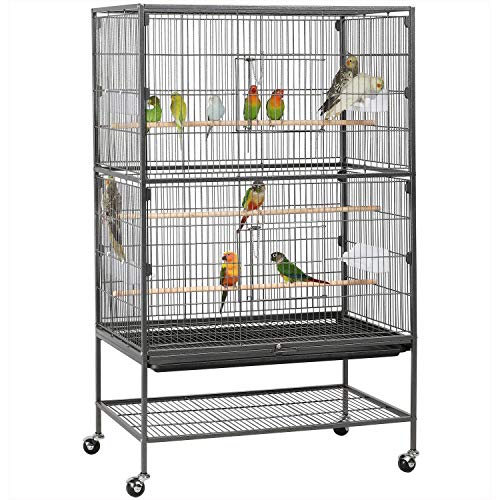
When you share your kitchen with a parrot, every mealtime is a chance to build better health. You already know seeds and pellets matter, but fresh vegetables are the real daily game changer. They add moisture, fiber, and a rainbow of vitamins that no processed diet can fully replace. The trick is knowing which vegetables earn a permanent spot in your parrot’s ration, and how to serve them so your bird actually eats them. Let’s walk through the best daily picks, portion sizes, and prep tricks, all in a way that fits your real routine.
Why Vegetables Belong in Every Daily Ration
Parrots in the wild spend hours foraging on plants, buds, and seasonal produce. Your companion bird has the same nutritional instincts, even if it now lives in a cage. Vegetables provide essential vitamin A, which supports skin, feathers, and vision, plus antioxidants that help fight cell damage. They also add hydration, which is especially important for birds that don’t drink much water. A daily ration that includes vegetables can reduce the risk of obesity and fatty liver disease, two common problems in pet parrots that eat too many seeds or high-fat treats. Think of vegetables as the daily multivitamin that actually tastes good.
The Top Daily Vegetables for Parrots
Not all vegetables are equal, and some are better as occasional treats. For daily use, focus on these proven winners:
Leafy Greens: The Foundation
Dark leafy greens are the closest thing to a parrot superfood. Kale, Swiss chard, collard greens, and dandelion greens are packed with calcium, vitamin K, and folate. Rotate a few types so your bird gets varied nutrients. Spinach is fine in moderation, but it contains oxalates that can bind calcium, so don’t make it the only green. Wash leaves thoroughly, chop them into bite-sized pieces, and offer them in a separate bowl. Many parrots love tearing into a whole leaf, which doubles as enrichment.
Cruciferous Crunch: Broccoli and Cauliflower
Broccoli and cauliflower provide vitamin C, fiber, and sulforaphane, a compound studied for its anti-inflammatory properties. Serve them raw or lightly steamed. Raw florets give a satisfying crunch that parrots enjoy, while steamed versions are easier to digest for older birds. Chop the stems too, they are just as nutritious and offer a different texture. If your parrot is picky, try offering a floret with a bit of water droplets on it; the movement often sparks curiosity.
Sweet and Colorful: Carrots and Bell Peppers
Carrots are rich in beta-carotene, which converts to vitamin A. Grate them for small parrots or cut into sticks for larger birds. Bell peppers, especially red and orange ones, are loaded with vitamin C and come in naturally sweet varieties. Remove the seeds and white pith, then slice into rings or strips. Peppers are also a great way to introduce bright colors to the bowl, which encourages foraging behavior. Some parrots even enjoy the mild spiciness of chili peppers, but stick to sweet bells for daily rations.
Winter Squash: A Nutrient Dense Staple
Butternut, acorn, and spaghetti squash are excellent daily options. They are high in fiber, potassium, and vitamin A. Roast or steam them until soft, then scoop out the flesh and mash it or cut into cubes. Many parrots love the warm, sweet taste. You can also offer raw, grated squash for a crunchy twist. Squash is low in fat and calories, making it a safe filler for birds that tend to overeat seeds.
Vegetables to Limit or Avoid in Daily Rations
While most vegetables are safe, a few need caution. Iceberg lettuce has almost no nutritional value and can cause diarrhea if overfed. Cucumber is hydrating but also mostly water, so it should not replace nutrient-dense options. Onions, garlic, and leeks are toxic to birds and should never be offered. Avocado is also dangerous, so keep it completely out of reach. For a full list of safe and unsafe foods, check the Senegal Parrot Diet List: A Quick Guide, which covers daily portions and toxic foods in detail.
How to Build a Balanced Daily Ration
A good daily ration is about 60 to 80 percent high-quality pellets, 10 to 20 percent vegetables, and 5 to 10 percent fruits and healthy treats. For a medium parrot like a Senegal, that means about 1 to 2 tablespoons of chopped vegetables per day. Start with one or two vegetables, then slowly add more over a week. Watch your bird’s droppings and energy level. If you notice loose stools, reduce the watery vegetables. If your parrot refuses a new veggie, try offering it at different times of the day, or mix it with a favorite food. Patience is key. For more on daily routines that include feeding schedules, see Understanding Senegal Parrot Daily Care Routine.
Prep Tips That Make Vegetables Irresistible
Parrots are visual and tactile eaters. They like bright colors, varied shapes, and the chance to work for their food. Try these tricks:
- Chop in different sizes: Small pieces for finicky eaters, larger chunks for foraging.
- Mix warm and cold: Lightly steamed veggies have a softer texture and a stronger smell that appeals to many birds.
- Use a skewer or clip: Hanging a whole leaf of kale or a pepper slice from the cage bars turns mealtime into playtime.
- Offer veggies first thing in the morning: Birds are hungriest then, so they are more likely to try something new.
- Never leave fresh food out for more than 2 to 3 hours: Bacteria grow quickly, and you want to keep your bird safe.
Some parrots, especially African greys and Senegals, are known to be picky about new foods. But a study on parrot behavior suggests that repeated exposure, up to 10 to 15 times, can increase acceptance. So don’t give up after one refusal. Keep offering that broccoli or kale in a new shape, and your bird might surprise you.
What About Frozen Vegetables?
Frozen vegetables are a convenient and nutritious option, especially when fresh produce is out of season. They are typically flash-frozen at peak ripeness, so they retain most of their vitamins. Just thaw them completely and drain any excess water before serving. Avoid frozen mixes that include added sauces, salt, or seasonings. Plain frozen peas, carrots, and corn are great, but remember that corn is high in starch, so use it as a treat rather than a daily staple. For a complete list of safe vegetables and portion sizes, refer to the Senegal Parrot Diet List: A Quick Guide.
Watch Your Bird’s Individual Response
Every parrot is different. Some birds love crunchy raw carrots, while others prefer soft, mashed squash. Pay attention to what your bird actually eats, not just what you offer. If you notice changes in appetite, droppings, or feather condition, adjust the vegetable mix. Also, remember that vegetables are not a cure-all. They work best as part of a complete diet that includes pellets and occasional fruits. If you are ever unsure about a specific vegetable or your bird’s health, ask your vet. For more on keeping your parrot healthy, read about Understanding Signs Of Illness In Senegal Parrot so you can spot problems early.
“A parrot that eats a rainbow of vegetables today is building a stronger, brighter tomorrow.”
Building a daily ration with fresh vegetables is one of the most loving things you can do for your parrot. It takes a little prep time, but the payoff is a healthier bird with more energy, better feathers, and a happier disposition. Start small, stay consistent, and let your bird’s curiosity guide you. Your feathered friend will thank you with every bite.