You know the scene: your cat is perched on the windowsill, eyes locked on a sparrow outside, and then it starts. That strange, rapid-fire jaw quiver paired with a chirping or clicking sound. It is one of the most curious behaviors felines exhibit, and if you have ever wondered why do cats chatter at birds, you are not alone. This behavior, sometimes called chirping or ekekekking, is not random or frustrated. It is a deep, instinctive response rooted in your cat’s predatory programming. Let’s break down exactly what is happening behind those wide eyes and twitching whiskers.
The Hunting Instinct: It Is Not Frustration, It Is Preparation
Many owners assume chattering means their cat is annoyed that they cannot reach the bird. While some mild frustration can play a role, the primary driver is pure hunting instinct. When a cat spots prey, their brain enters a high-focus state. The chattering motion is thought to be a simulated killing bite. In the wild, a cat would stalk, pounce, and then deliver a precise bite to the neck of their prey to sever the spine. The rapid jaw movement you see is a rehearsal of that bite, a muscle memory firing off even though the bird is safely behind glass. It is your cat practicing the final, crucial move of the hunt.
The Ekekekek Sound: A Mimicry or a Lure?
Some researchers and behaviorists suggest that the chattering sound itself might be an attempt to mimic bird calls. The theory is that cats evolved to produce a soft, clicking noise that sounds like the chatter of a small bird or rodent, potentially luring the prey closer. While this is not definitively proven, it aligns with how many predators use vocal deception. Watch your cat closely next time they chatter. You will notice their ears swivel forward and their body goes completely still except for that vibrating jaw. It is a highly focused, predatory trance. The sound is low and rhythmic, not a hiss or a growl, which supports the idea that it is meant to be attractive or disarming to the prey, not threatening.
When Chattering Becomes a Problem: Frustration and Redirected Behavior
While chattering is normal, it can sometimes tip into unhealthy frustration if your cat has no outlet for their hunting drive. If you notice your cat chattering for long periods, swatting at the window aggressively, or vocalizing in a distressed way, they may be experiencing frustration-induced stress. This can lead to redirected aggression toward other pets or people in the home. To help, provide an outlet for that predatory energy. Interactive wand toys, puzzle feeders, and even a secure outdoor experience can help. If you want to take your cat outside safely, consider a well-fitted harness. A quality cat harness for walking allows you to supervise their bird-watching in a controlled way, giving them the thrill of the hunt without the frustration of a glass barrier.
“Chattering is not your cat being dramatic. It is your cat being a tiny, efficient predator, practicing the kill bite on a bird they will probably never catch.”
Is Chattering Ever a Sign of a Health Issue?
In the vast majority of cases, chattering at birds is a normal, healthy behavior. However, there is a condition called feline hyperesthesia syndrome that can sometimes cause similar jaw movements, along with skin rippling, dilated pupils, and frantic behavior. If your cat chatters at nothing, or if the chattering is accompanied by drooling, pacing, or seizures, it is worth a conversation with your veterinarian. Also, dental pain or oral discomfort can sometimes cause a cat to make clicking motions with their mouth. If the behavior appears suddenly in an older cat or is paired with bad breath or difficulty eating, a dental check is wise. For general wellness, keeping your cat calm and enriched can reduce stress-related chattering. Some owners find that a cat calming collar helps take the edge off for indoor cats who get overly worked up by outdoor birds.
How to Enrich Your Cat’s Bird-Watching Experience
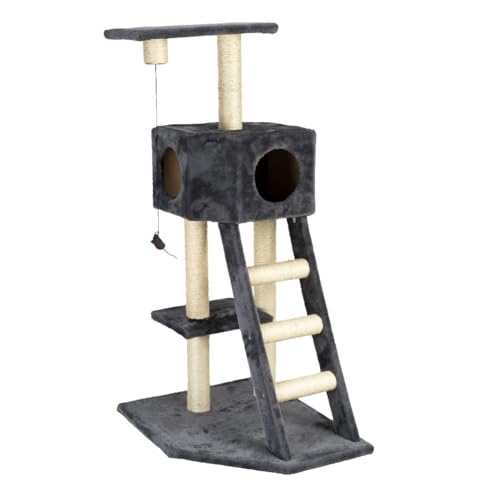
Since chattering is a sign of a healthy hunting drive, you can lean into it. Create a bird-watching station by placing a soft bed or a cat tree near a window. You can even install a bird feeder outside that window to give your cat a daily show. This turns the chattering into a positive, stimulating activity rather than a source of frustration. For cats who spend a lot of time watching birds, their neck and spine can get tense from holding the hunting posture. Using elevated cat bowls for their meals can help maintain good posture and reduce strain, especially if they spend a lot of time looking upward. Pairing the visual stimulation with a food puzzle or a quick play session after a bird-watching bout can complete the hunting sequence, leaving your cat satisfied and calm.
Some cats also chatter at bugs, laser pointers, and even reflections. The common thread is always the same: something small, fast, and prey-like has triggered the hunting circuit in their brain. It is a sign of a sharp, healthy predator living in your home.
Should You Ever Stop Your Cat from Chattering?
Generally, no. Chattering is a normal, harmless behavior that provides mental stimulation. However, if your cat is chattering at birds through a screen door or open window and you are worried about them escaping or catching a bird, it is time to intervene. Redirect their attention with a toy or a treat. If you want to give them a safe outdoor experience without the risk of them actually catching wildlife, a cat carrier backpack for hiking can be a wonderful compromise. You can take them on a walk where they can see birds from a safe, enclosed space. This satisfies their curiosity and gives them the visual stimulation they crave without the ethical or safety concerns of a real hunt.