You’re petting your cat, everything feels perfect, and then they gently sink their teeth into your hand. It doesn’t hurt, but it’s definitely a bite. If you’ve ever wondered, “Why does my cat bite me gently?” you’re not alone. This soft nibble, sometimes called a “love bite,” is one of the most common and confusing behaviors cats display. Unlike a full-on aggressive chomp, these gentle bites are usually a form of communication. The key is learning to read the context, and once you do, you’ll understand your cat on a much deeper level.
1. The Love Bite: Affection and Grooming
One of the sweetest reasons for a gentle bite is pure affection. In the wild, mother cats gently bite and carry their kittens by the scruff. As adults, cats will often give each other small, gentle bites during mutual grooming sessions. When your cat does this to you, they are treating you like a member of their colony. It’s a sign of trust and intimacy. They are essentially saying, “You’re family.” This often happens when you’re petting them, and they are feeling particularly content. It’s a little love tap in cat language.
2. Overstimulation: The “Pet Me, But Stop” Signal
This is the most common reason for the gentle bite that suddenly seems out of nowhere. Cats have a very low threshold for tactile stimulation. While they love being petted, after a certain point, the sensation can become irritating or even painful. This is known as “petting-induced aggression” or overstimulation. The gentle bite is your cat’s polite way of saying, “I’ve had enough, please stop.” The key is to watch for warning signs: a twitching tail, flattened ears, or dilated pupils. If you see these, stop petting before the bite happens. Respecting this boundary is crucial for a trusting relationship. If your cat is prone to this, consider using a calming collar to help them stay relaxed during longer petting sessions.
3. Playful Instincts: The Pounce and Nibble
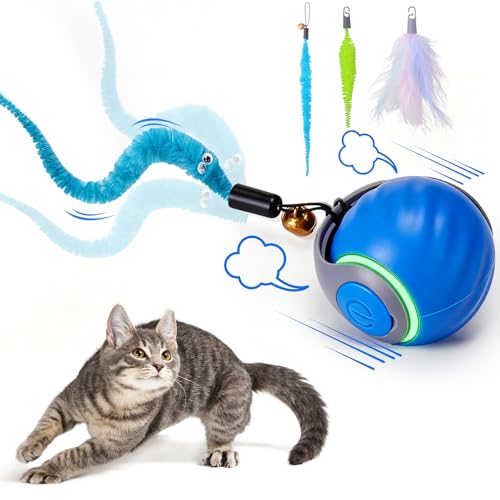
Sometimes a gentle bite is just your cat’s inner predator coming out. When cats play, they practice hunting. That gentle bite on your hand or ankle might be their version of catching a mouse. This is especially common in kittens and younger cats who haven’t fully learned bite inhibition. They don’t mean to hurt you; they’re just having fun. The best way to handle this is to redirect their energy. Never use your hands as toys. Instead, keep a wand toy or a plush mouse nearby. When you feel that playful nibble, immediately offer the toy. This teaches them that biting humans ends playtime, but biting toys keeps the fun going.
4. The Flehmen Response: A Taste of Information
This one is a little weird but fascinating. Sometimes a cat will gently bite your skin and then hold the bite for a moment, often with a slightly open mouth. They might be using a special sensory organ called the Jacobson’s organ (located on the roof of their mouth) to “taste” the air and analyze your scent. Your sweat, lotions, or even the soap you used can carry a lot of chemical information. This gentle bite is like your cat reading your daily diary. It’s not aggressive at all, just a curious investigation. They are learning about where you’ve been and what you’ve been doing.
5. Attention Seeking and Communication
Your cat is smart. They quickly learn what gets a reaction from you. If a gentle bite makes you look at them, talk to them, or give them a treat, they will do it again. This is simply a learned behavior. Your cat might be hungry, want a clean litter box, or just want you to follow them to the window. The bite is their way of saying, “Hey, I need something.” Before you react, ask yourself: Is it mealtime? Is their water bowl empty? Are they staring at their food bowl? If you can meet their need, the biting will stop. If your cat bites to get your attention for food, switching to elevated cat bowls can make mealtime more comfortable and reduce frustration, especially for older cats with arthritis.
A cat’s gentle bite releases endorphins in their brain, which is why they sometimes look blissed out right after nibbling you. It’s a self-rewarding behavior that makes them feel good!
How to Respond to Gentle Bites
Your reaction matters. If you pull your hand away quickly or yell, you might startle your cat or make them think it’s a game. Instead, stay still and stop moving your hand. If the bite is from overstimulation, simply remove your hand calmly and give your cat space. If it’s playful, redirect to a toy. Never punish your cat for gentle biting. It’s a natural form of communication. Punishment can break trust and lead to fear or real aggression. Instead, focus on understanding the “why” behind the bite.
“A cat’s gentle bite is not a rejection of you, it’s a request for a different kind of connection.”
If your cat’s biting becomes hard, draws blood, or is accompanied by hissing or swatting, it’s time to consult your veterinarian. There could be an underlying medical issue causing pain, such as dental problems or arthritis. A vet can help rule out health concerns and give you behavior modification advice. In the meantime, keep your cat’s nails trimmed to minimize any accidental scratches. Using a low-stress cat nail grinder like the Dremel 7300-PT can make grooming sessions quick and painless, reducing the chance of a painful scratch during a love bite.
Remember, every cat is an individual. Some cats are more “bitey” than others. By paying attention to the context, the body language, and the intensity of the bite, you will become fluent in your cat’s unique dialect. And that is the real secret to a deeper, more trusting bond.