You know the scene. You walk into the kitchen to make coffee, and there they are. You head to the bathroom, and a small shadow slips through the door just before it clicks shut. Then you look down, and your cat is staring up at you with those calm, half-lidded eyes. It is not a stare. It is a slow blink, a tiny squint, a look that says, “I am here, and I am watching.” This is the routine cat eye, and when it is paired with following you from room to room, it can feel both flattering and a little mysterious. Why does your cat do this? The short answer is that your cat is not being needy or weird. They are being a cat. They are following a routine they have learned to love, and the eye contact is a sign of trust and affection. Let us break down exactly what is going on.
Your Cat Has Learned Your Daily Schedule
Cats are creatures of habit. They are not just furry roommates; they are tiny timekeepers. If you wake up at 7 AM, feed them at 7:15, and sit down to work at 8, your cat has memorized that sequence. When you move from the bedroom to the kitchen, your cat follows because they know the next step in the routine is often something good. That “routine cat eye” you see is your cat checking in, confirming the schedule is still on track. This is especially common around feeding times. If you use elevated cat bowls, your cat may even lead you to the spot where they expect to be fed, looking back to make sure you are following the plan.
The Slow Blink Is a Cat Kiss
When your cat follows you and then looks up with that slow, deliberate blink, they are giving you a high sign of trust. In the cat world, direct, unblinking stares are a threat. A slow blink is the opposite. It says, “I feel safe enough to close my eyes around you.” When your cat follows you into a room and then sits down, looks at you, and slowly blinks, they are reinforcing that you are part of their safe group. You can return the gesture by slowly blinking back. This often triggers another slow blink or a soft purr. It is a quiet conversation between you and your cat.
“A cat’s slow blink is a gift. It means they trust you enough to let their guard down, even for a second.”
They Want Your Attention (But on Their Terms)
Sometimes the following and staring is a polite request. Your cat may want a treat, a chin scratch, or playtime. The “routine cat eye” is often a cat’s way of saying, “I am here, you are here, now what are we going to do about it?” If your cat follows you to your desk and then sits on your keyboard, staring, they are not just being difficult. They are asking for interaction. One way to redirect this behavior is to engage them with a toy or a grooming session. If your cat is anxious or overly focused on following you, a calming collar can sometimes help take the edge off, making them feel more secure even when you are not in the same room.
Following You Is a Survival Instinct
In the wild, cats stick together in colonies for safety. Your cat sees you as the leader of their colony. When you move to another room, they follow to stay within the safety of the group. This is especially common in cats that were orphaned or weaned early. They attach to you as a surrogate parent. The eye contact they give you during these moments is a check-in: “Are we safe? Are you okay?” This is also why some cats follow you to the bathroom. You are in a small, enclosed space, and they want to guard you while you are vulnerable. It is a sign of deep affection, even if it feels a little intense.
Did you know that cats have a special type of purr that they use specifically when they want something from their humans? It is called the “solicitation purr,” and it is mixed with a high-pitched cry that is similar to a human baby’s cry. Your cat may follow you and use this purr while making eye contact to get your attention for food or play.
It Could Be a Sign of Separation Anxiety
While most following is normal and healthy, sometimes it can be a sign that your cat is feeling anxious when you are not around. If your cat follows you constantly, meows excessively, or seems distressed when you leave the room, they may be experiencing separation anxiety. This is more common in indoor-only cats who are very bonded to their owners. In these cases, the “routine cat eye” might look more wide-eyed and tense rather than soft and blinking. To help your cat feel more secure, try leaving a worn piece of clothing with your scent on it, or use a cat GPS tracker without subscription to monitor their activity levels when you are away. If the behavior seems extreme, ask your vet about ways to reduce your cat’s anxiety.
How to Respond to the Routine Cat Eye
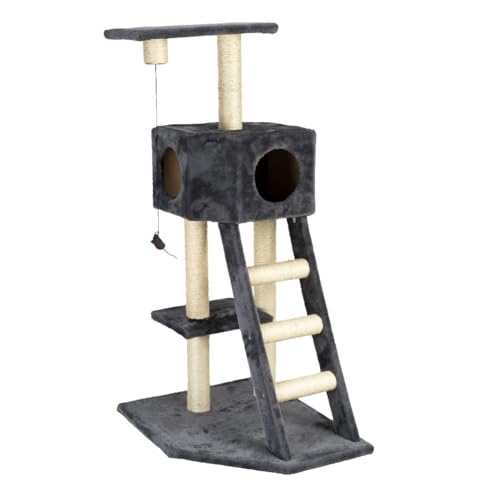
When your cat follows you and gives you that look, you have a choice. You can ignore it, or you can engage. Engaging positively reinforces your bond. Try these simple responses: slow blink back at them, speak to them in a soft voice, or offer a gentle pet if they approach. If you want to encourage more independent behavior, do not always reward the following with food or treats. Instead, create a routine where your cat has their own special spot near you. A cat tree by your desk or a cozy bed in the kitchen can give them a place to watch you without needing to be underfoot. You can also use a cat nail grinder during calm moments to make grooming a positive, bonding experience that gives them attention on your terms.
When to Worry About the Staring
Most of the time, the routine cat eye is a good thing. But if your cat’s staring is accompanied by dilated pupils, flattened ears, or a twitching tail, they may be stressed or overstimulated. In that case, give them space. Also, if your cat is following you and staring but also seems disoriented or is vocalizing at odd hours, it could be a sign of a health issue like vision loss or cognitive decline, especially in older cats. A quick check with your vet can rule out any problems. For most cats, though, the following and the eye contact are just their way of saying, “You are my person, and I like being near you.”