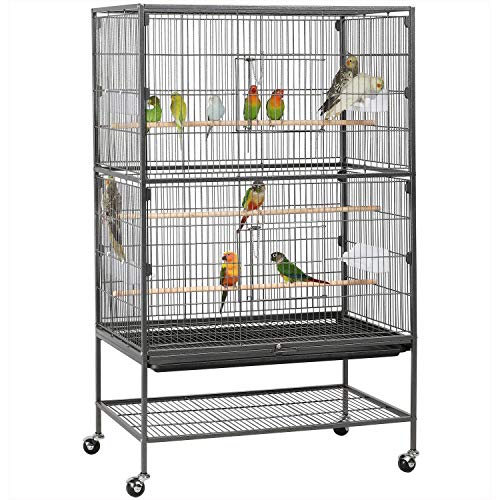
If your cockatiel has started screaming after dark, you are not alone. It can be jarring to hear a sudden, piercing shriek from the cage when the lights go out. But here is the good news: night screaming in cockatiels is almost always a sign of something specific and fixable. Your bird is not trying to be difficult. It is trying to tell you something. Let us walk through the most common reasons and what you can do to bring peace back to your home.
Night Frights: The Most Common Reason for Screaming
Cockatiels are prey animals, and their instincts are wired to react to sudden movement, shadows, or sounds in the dark. A night fright happens when your bird startles awake, often from a noise you might not even notice, like a car passing or a cat walking by the window. In the wild, a sudden disturbance means danger. Your cockatiel screams to alert the flock and scare off the threat.
You can reduce night frights by covering the cage with a breathable, dark cloth that blocks out light and movement. Leave a small gap for airflow, and make sure the cover does not touch the perches or toys. Some owners use a small nightlight placed a few feet away from the cage so the bird can see its surroundings dimly. This simple change stops many birds from panicking at every shadow.
“A cockatiel that screams at night is not being bad. It is being a bird. Your job is to make the dark feel safe again.”
Loneliness and the Need for Contact
Cockatiels are highly social birds. In the wild, they sleep in flocks, with companions close by for comfort and safety. A single cockatiel in a quiet room may scream at night simply because it feels isolated. If your bird is alone in a separate room, it may call out to you, hoping for a response. This is especially common if you have recently changed its cage location or if it has lost a companion.
One solution is to move the cage into a room where you spend time during the evening, like the living room or your bedroom, as long as it is quiet and dark when you sleep. You can also try playing soft, calming music or a white noise machine to mimic the gentle sounds of a flock. Some owners find that leaving a radio on low talk radio helps the bird feel less alone. If the screaming persists, consider a same-species companion, but always quarantine and introduce new birds slowly.
Environmental Triggers: Light, Noise, and Temperature
Your cockatiel’s environment at night matters more than you might think. A streetlight shining through a window, a draft from an air conditioner, or the sound of a furnace kicking on can all trigger a scream. Birds have excellent hearing and vision, and small changes that go unnoticed by you can feel alarming to them.
Check the cage location. Is it near a window where headlights or moonlight flicker? Is it directly under a vent? Move the cage to a more stable spot, away from drafts and direct light sources. Use blackout curtains if needed. Also, make sure the temperature stays between 65 and 80 degrees Fahrenheit. A sudden chill can make a bird restless and vocal. A consistent, calm environment is the best way to prevent night screaming.
Cockatiels have a special adaptation called the “night vision reflex.” Their pupils dilate dramatically in low light to help them see, but this also makes them extremely sensitive to sudden flashes of light. A single car headlight can look like a predator to them.
Health Issues That Can Cause Night Screaming
While most night screaming is behavioral or environmental, sometimes it signals discomfort or pain. A cockatiel that is sick or in pain may vocalize more, especially at night when it is quiet and it cannot distract itself. Look for other signs: fluffed feathers, changes in droppings, loss of appetite, or sitting at the bottom of the cage. If you notice any of these, a trip to an avian veterinarian is the right step.
Do not assume that screaming alone means illness, but if the behavior is new and accompanied by other symptoms, trust your gut. Birds hide illness well, so a change in nighttime behavior can be an early clue. Your vet can rule out issues like respiratory infections, egg binding in females, or nutritional deficiencies. Always ask your vet if you are worried.
How to Respond When Your Cockatiel Screams at Night
Your reaction matters. If you rush to the cage every time your bird screams, you may accidentally teach it that screaming brings attention. Instead, stay calm. First, check if there is an obvious trigger, like a cat outside or a fallen toy. If everything looks fine, speak softly to your bird from your bed or the doorway without approaching. A gentle “It is okay” in a low voice can reassure without rewarding the scream.
If the screaming happens every night at the same time, try adjusting the bedtime routine. Cockatiels need 10 to 12 hours of uninterrupted sleep. Put the cage cover on at the same time each night, and keep the room dark and quiet. A consistent schedule helps your bird feel secure. If the screaming continues despite these changes, consider a vet check and a review of the cage setup.
When to Seek Help from a Professional
Most night screaming resolves with simple adjustments, but some cases need extra help. If your cockatiel screams for more than a few minutes each night, or if it seems panicked and hurts itself by flying into the cage bars, consult an avian behaviorist or a vet with bird experience. They can help rule out deeper issues like anxiety or past trauma.
You can also find more guidance in related articles on our site, such as how to stop cockatiel screaming during the day and cockatiel sleep requirements and cage setup. These resources go deeper into daytime vocalizations and creating the perfect sleep environment. Remember, you and your bird are a team. With patience and the right changes, quiet nights are absolutely possible.