You reach for your dog’s favorite squeaky toy, and suddenly he freezes, stiffens, or even growls. It can feel hurtful when your own dog seems to guard his belongings from you. You might wonder if you did something wrong or if your bond is broken. The truth is, toy guarding is a very common behavior rooted in deep instincts. It is not a sign of a bad dog or a failed relationship. It is a signal that your dog feels insecure about losing something he values. Understanding why this happens is the first step to helping him feel safe and relaxed around you.
What Is Resource Guarding and Why Does It Happen?
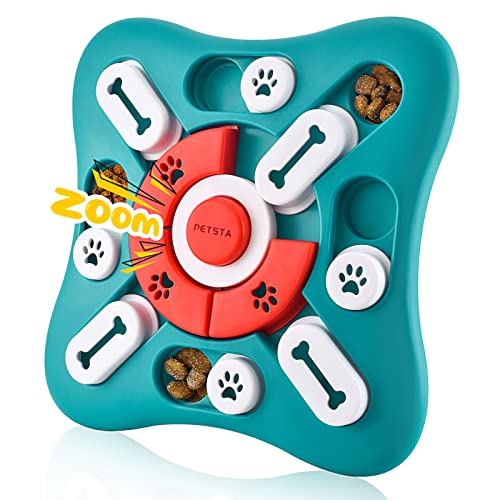
Resource guarding is a natural survival behavior seen in all canids, from wolves to your pet dog. In the wild, guarding food, bones, or a safe den meant survival. Your dog’s brain still operates on that ancient wiring. When he guards a toy, he is communicating that he believes the toy is at risk of being taken away. This is not about dominance or spite. It is about anxiety and perceived scarcity. Some dogs are genetically more prone to guarding, especially breeds with strong prey or working drives. For example, a herding breed like an Australian Shepherd may guard a ball because it represents a job or a reward. If you have a smart, energetic breed, you might find that puzzle toys for Australian Shepherds can actually reduce guarding by giving them a structured outlet for their drive. The key is to recognize that guarding is a stress response, not a personal attack.
Common Triggers for Toy Guarding
Guarding does not happen in a vacuum. It is often triggered by specific situations or past experiences. A dog who was raised in a home with limited resources, or who had to compete with other dogs for toys, may learn to guard early on. Even a dog from a loving home can develop guarding if he has had a toy taken away abruptly or if he feels his space is invaded. Common triggers include: a person reaching directly for the toy, looming over the dog while he plays, sudden movements near his mouth, or even a high-pitched excited voice that signals competition. Some dogs guard only certain high-value items like a stuffed Kong or a new bone. Others guard anything they hold. Pay attention to the specific context. For instance, if your dog guards his food bowl or water dish, the behavior may be broader. For large breeds like Cane Corsos, resource guarding can be more intense due to their size and protective instincts. If you own one, it is worth reading about whether Cane Corsos are good family dogs to understand their temperament and training needs better.
Dogs often guard toys that smell like you or that they associate with positive playtime. The toy becomes a symbol of your bond, which is why they may guard it from you specifically. It is a weird kind of compliment.
How to Tell the Difference Between Play and Guarding
It is easy to confuse playful growling with guarding. Play growls are usually accompanied by a loose, wiggly body, a wagging tail, and a play bow (front legs down, rear up). Guarding growls come with a stiff body, a hard stare, raised hackles, and a frozen posture. The dog may also put his body over the toy, curl his lip, or snap if you get too close. If you see these signs, do not punish him. Punishment can escalate the fear and make the guarding worse. Instead, stop reaching for the toy and give him space. You want to teach him that your approach means good things, not loss. A great way to start is by trading. Offer a high-value treat in exchange for the toy. This teaches him that when you come near his toy, he gets something even better. Over time, he will learn to relax. For dogs who are highly food-motivated, using the right feeding setup can also reduce stress. For example, best dog bowls for Cane Corsos can encourage calm eating and reduce guarding around meal times.
“Your dog is not being mean. He is being a dog. Guarding is a cry for safety, not a challenge to your authority.”
Step-by-Step Training to Reduce Toy Guarding
Training a dog to stop guarding toys requires patience and consistency. Never try to forcibly take a toy from a guarding dog. That can lead to a bite. Instead, follow this process. First, practice the “drop it” cue in low-stakes situations with low-value toys. Use a happy tone and a tasty treat. When your dog drops the toy, reward him and give the toy back. This teaches him that dropping leads to good things and he gets the toy again. Second, work on the “trade up” game. Offer a treat or a better toy while he has a toy in his mouth. Let him take the new item, then pick up the old one. Always return the original toy later so he learns he does not lose it forever. Third, practice approaching him while he has a toy, tossing a treat, and walking away. This builds a positive association with your presence. Fourth, involve the whole family so he learns to trust everyone. For herding breeds like Australian Shepherds, mental stimulation is key. Using puzzle toys for Australian Shepherds can redirect their drive into a solo activity, reducing the urge to guard from you.
When to Seek Professional Help
Most cases of toy guarding can be managed with the training above, but some situations require a professional. If your dog has bitten someone, if the guarding is escalating, or if you feel unsafe, contact a certified animal behaviorist or a force-free trainer. Do not try to handle severe guarding alone. Also, if your dog guards everything, including food, beds, and spaces, it may be a sign of deeper anxiety. In those cases, a vet can rule out pain or medical issues that might be causing irritability. If your dog is also guarding his resting area, consider providing a safe, cozy space like a crate or a dedicated bed. For hot weather, a cooling mat can make his spot more comfortable and reduce stress. Always remember that guarding is a manageable behavior. With time, trust, and positive reinforcement, your dog can learn that you are not a threat to his treasures. You are his partner.