You look at your tank on Monday, it’s crystal clear. By Friday, it looks like someone poured milk into the water. You do a water change, it clears for a few days, then the haze returns. If this sounds like your weekly routine, you’re not alone. Cloudy aquarium water is one of the most common frustrations for fish keepers, and the reason it keeps coming back is usually not what you think. It’s not just ‘dirty water’, it’s a sign that something in your tank’s ecosystem is out of balance. Let’s walk through the real reasons your water clouds up every week and, more importantly, how to break that cycle.
The Most Common Culprit: A Bacterial Bloom
When your water turns milky or grayish white, it’s almost always a bacterial bloom. These are free-floating bacteria that multiply rapidly when there’s a sudden spike in dissolved organic waste. That waste comes from fish food, fish poop, and decaying plant matter. Every time you feed, you’re adding nutrients. If your filter can’t keep up, the bacteria population explodes, and that’s what you see as cloudiness.
The reason it happens every week is often tied to your feeding schedule. If you feed a little extra on weekends, or if you skip a water change one week, the nutrient load builds up until the bacteria hit a tipping point. Then, boom, cloudy water. The fix isn’t to add more chemicals, it’s to reduce the food source. Try cutting your feeding amount by half for a week and see if the cloudiness fades. You might also want to check your filter media, a clogged or outdated sponge can’t do its job. If you’re not sure what to look for, our 2026 Guide: Best Aquarium Filter Sponges & Media can help you choose the right one for your tank size.
Overstocking: Too Many Fish, Too Little Bacteria
Every fish produces waste, and that waste needs to be broken down by beneficial bacteria in your filter. If you have more fish than your filter can handle, the system gets overwhelmed. The bacteria that turn ammonia into nitrite, and nitrite into nitrate, can’t keep up. The result is a constant state of high dissolved organics, which fuels those weekly blooms.
A good rule of thumb is one inch of adult fish per gallon of water, but that’s just a starting point. Some fish, like goldfish, produce way more waste than others. If you suspect you’re overstocked, do a quick count and check your water parameters. If ammonia or nitrite is above zero, that’s a red flag. You might need to rehome some fish or upgrade your filtration. A larger filter, or an Aquarium Overflow Box for a sump setup, can give your bacteria more surface area to colonize, which means a more stable tank.
Your Filter Is Too Weak or Dirty
Your filter is the heart of your tank’s ecosystem. If it’s undersized, clogged, or cleaned too aggressively, it can’t process the waste fast enough. Many filters that come with starter kits are barely adequate for the tank they’re sold with. Over time, as your fish grow, the filter can’t keep up.
Also, when you clean your filter, do you rinse it in tap water? If so, you’re killing the beneficial bacteria that live in the media. That forces the tank to re-cycle, and you get a bacterial bloom. Always rinse filter media in a bucket of old tank water during a water change. If your filter is just too small, consider upgrading to a model with a higher flow rate and more media capacity. You can also add a secondary filter to boost biological filtration. For a quick comparison of high-quality options, check out our Top 5 Aquarium Controllers, which can help you automate and monitor your filtration system for better consistency.
Overfeeding: The Hidden Habit That Ruins Water Clarity
Most of us feed our fish more than they need. Fish are opportunistic eaters, they’ll always act hungry, but they don’t need that much food. Uneaten food sinks to the bottom and breaks down, releasing ammonia and dissolved organics. That’s a feast for free-floating bacteria, and it’s a direct cause of weekly cloudiness.
Here’s a simple test: Feed your fish only what they can consume in two minutes, twice a day. If there’s any food left after two minutes, you’re overfeeding. Cut back and watch your water clarity improve within a few days. Also, consider using a feeding ring to keep food contained and prevent it from drifting into the filter. And if you have a heavy bioload, a Best Aquarium Nitrate Remover can help keep nitrate levels in check, which reduces the overall nutrient load that feeds those bacteria.
Lighting and Algae: Not All Cloudiness Is Bacterial
Sometimes the cloudiness is actually a green algae bloom, not a bacterial one. If your water has a greenish tint, it’s algae. This happens when you have too much light, usually more than 8 hours a day, and an excess of nutrients in the water. Algae blooms are common in tanks near a window or with strong LED lights.
To fix a green water bloom, reduce your lighting period to 6 hours a day and make sure the tank isn’t getting direct sunlight. Also, do more frequent water changes to remove the nutrients algae feed on. If the problem persists, a UV sterilizer can be a game changer. It kills free-floating algae and bacteria without harming your fish. Our Crystal Clear Water: Best UV Sterilizers for Ponds & Aquariums guide can help you pick one that’s the right size for your tank.
If your water is cloudy but your fish are acting normal, don’t panic. A bacterial bloom is not toxic by itself, but it’s a warning sign. Test your water for ammonia and nitrite. If those are zero, the bloom will often clear on its own within a few days if you stop feeding and do a small water change. If ammonia or nitrite is present, that’s a bigger issue, and you’ll need to address it immediately.
Water Change Mistakes That Make It Worse
You might think that changing water more often will fix cloudiness, but if you’re doing it wrong, you’re actually making it worse. If you’re changing more than 50% of the water at once, you’re shocking the beneficial bacteria. That causes them to die off, and the tank has to re-cycle, which leads to more cloudiness.
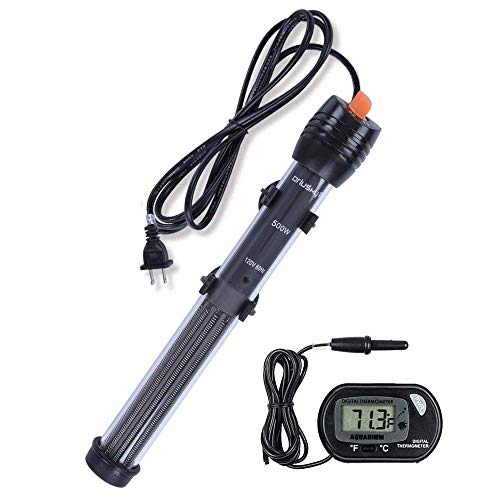
Also, if you’re not treating your tap water with a dechlorinator, the chlorine will kill your bacteria. Always use a water conditioner that removes chlorine and chloramine. And make sure the new water is the same temperature as the tank water. A sudden temperature shift can stress your fish and disrupt the biological balance. For consistent temperature control, consider a reliable heater. Our Top 5 Aquarium Heaters can help you maintain a stable environment, which is key to preventing stress-related issues.
“Cloudy water isn’t a problem, it’s a message. Listen to it before it becomes a crisis.”
How to Break the Weekly Cloudy Cycle for Good
Here’s a step-by-step plan to get your water clear and keep it that way:
- Test your water for ammonia, nitrite, nitrate, and pH. This tells you exactly where the imbalance is.
- Reduce feeding to what your fish can eat in two minutes, twice a day. No more.
- Do a 25% water change every week, not 50%. Use a gravel vacuum to remove debris from the substrate.
- Clean your filter media in old tank water, not tap water, every two weeks.
- Check your stocking level and rehome fish if needed.
- Reduce lighting to 6 hours a day if you suspect algae.
- Consider a UV sterilizer if blooms keep coming back.
If you follow this routine for two weeks, you should see a dramatic improvement. The key is consistency. Your tank’s bacteria colony needs time to adjust to the new, lower nutrient load. Don’t expect overnight results, but by the end of the second week, your water should be clear and stay clear.
If you’re still struggling, it might be worth automating some of your maintenance. An Expert Picks: Best Aquarium Automatic Water Changers can help you do small, frequent water changes without the hassle, which is often the best way to prevent nutrient buildup. Remember, every tank is different, so be patient and observant. Your fish will thank you.