You walk up to the tank, expecting your beardie to perk up or at least crack an eye, but they are just lying there. Still. Maybe they have not moved all day. It is a scary moment, and your mind jumps to the worst. Take a breath. A bearded dragon that is not moving can mean several things, from a totally normal seasonal slowdown to a health issue that needs attention. Let us walk through the most common reasons so you can figure out what is going on and how to help your scaly buddy.
1. Brumation: The Reptile Version of Hibernation
If your bearded dragon is not moving but still breathing normally and looks healthy, brumation might be the answer. This is a natural, instinct-driven period of dormancy that many bearded dragons go through, usually in the cooler months. During brumation, their metabolism slows way down. They eat less, sleep more, and can stay in one spot for days or even weeks. It can be alarming the first time you see it, but it is not an emergency. The key difference between brumation and illness is that a brumating dragon will still react to gentle touch or warm water, even if slowly. They may also shift positions occasionally. If you suspect brumation, keep offering fresh water and monitor their weight weekly. Do not force feed them. And if you are unsure, a quick check of your tank’s temperatures is a good next step.
2. Temperature Trouble: Too Cold to Move
Bearded dragons are ectotherms, meaning they rely on external heat to power their bodies. If the temperature in their enclosure drops below the ideal range (around 95-105°F on the basking spot and 75-80°F on the cool side), they become sluggish and may stop moving altogether. This is because their muscles and digestive system literally cannot function without sufficient warmth. Check your small reptile heat lamp to make sure it is working and positioned correctly. A sudden power outage or a burnt-out bulb can cause a rapid drop. If your dragon feels cool to the touch and is lethargic, warm them up gradually (never with a heat rock, which can burn them) and see if they perk up within an hour. If they do not, there may be another issue.
3. Impaction: A Blockage That Stops Everything
Impaction is a serious condition where something blocks your bearded dragon’s digestive tract. This can happen if they eat a substrate like sand or small rocks, or if they swallow a piece of food that is too large. A dragon with an impaction will often stop moving, strain to poop, and may have a swollen belly. They might also stop eating entirely. This is a situation where you need to act fast. A warm bath (85-90°F) and a gentle belly massage can sometimes help move things along. You can also try offering a few drops of olive oil or pureed pumpkin. But if they do not pass anything within 24 hours, or if they seem to be in pain, you need to see a reptile vet immediately. To prevent impaction, avoid loose substrates like calcium sand and use a safe lizard liner instead. It is one of the easiest ways to keep your dragon safe.
Bearded dragons can hold their breath for up to two minutes while underwater, but they are not strong swimmers. Never leave them unattended in a bath, even for a moment.
4. Metabolic Bone Disease (MBD): A Silent Cause of Weakness
Metabolic Bone Disease is a common but preventable condition caused by a lack of calcium or vitamin D3, or improper UVB lighting. It weakens the bones and muscles, making it painful and difficult for your dragon to move. A dragon with MBD may have a soft jaw, tremors in their legs or toes, or a crooked spine. They may drag their back legs or just lie flat because it hurts to move. If you notice any of these signs, get your dragon to a vet. Treatment often involves calcium supplements, injectable vitamin D, and correcting your UVB setup. Prevention is everything: make sure your UVB bulb is replaced every six months (even if it still lights up) and that your dragon gets dusted insects with a calcium powder that contains D3. A proper reptile tank setup with the right lighting gradient is critical for long-term health.
5. Stress or Fear: Freezing in Place
Sometimes a bearded dragon stops moving because they are scared. If you just brought them home, rearranged their tank, or introduced a new pet or person, they might freeze as a defense mechanism. New environments can be overwhelming. Give them time and space. Avoid handling them for a few days, and make sure they have plenty of hides where they can feel secure. A snug fit reptile house or cave can make a world of difference for a nervous dragon. Once they feel safe, they will start moving around again. If the stillness continues for more than a week after a change, check for other causes like illness.
6. Respiratory Infection: When Breathing Is Hard Work
A bearded dragon with a respiratory infection may become lethargic and stop moving because it is exhausting to breathe. Other signs include open-mouth breathing, wheezing, bubbles from the nose or mouth, and a lack of appetite. This is often caused by temperatures that are too low or humidity that is too high. If you suspect a respiratory infection, you need a vet. They will likely prescribe antibiotics and may recommend raising the tank temperature slightly to boost your dragon’s immune system. While you wait for the appointment, keep your dragon warm and dry. Do not try to treat this at home with over-the-counter remedies, as they can do more harm than good.
“A still beardie is not always a sick beardie, but it is always a beardie that deserves a closer look.”
7. Shedding: Uncomfortable but Normal
Shedding can make your bearded dragon grumpy and sluggish. The process is itchy and uncomfortable, and some dragons will barely move while their skin is peeling. You might notice them rubbing against rocks or decorations to help the shed along. This is normal as long as they are still drinking water and have some energy when you offer a favorite treat. You can help by giving them a warm soak or gently misting them. Avoid pulling off any stuck shed, especially around the toes or tail tip, as this can cause injury. Once the shed is complete, they will likely bounce back to their usual active self.
8. Injury: A Hidden Hurt
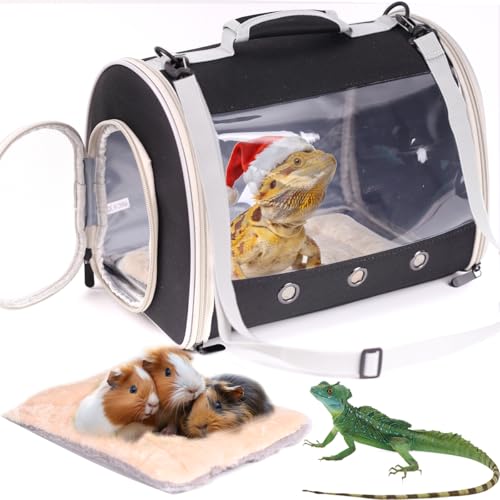
If your dragon has fallen from a height or been dropped, they might stop moving due to pain or shock. Even a short fall from a shoulder or a high branch can cause internal injuries or fractures. Check for any visible swelling, limping, or reluctance to use a limb. If you suspect an injury, keep your dragon in a quiet, padded enclosure (you can use paper towels as a soft substrate) and call your vet. Do not handle them unless absolutely necessary. If you need to transport them to the vet, a secure and comfortable insulated reptile carrier will keep them warm and safe during the trip. Even if you cannot see an obvious injury, a vet visit is the safest call.
If your bearded dragon is not moving, start by checking the basics: temperature, lighting, and recent changes. Most causes are manageable with a little observation and care. But if your dragon has not moved for more than 24 hours, is showing signs of pain, or has other symptoms like weight loss or breathing trouble, do not wait. Call your reptile vet. You know your dragon best, and trusting that gut feeling is always the right move.