You walk past the terrarium and freeze. Your normally bright, sandy-colored bearded dragon has turned a deep, alarming shade of black. It is a sight that sends a jolt of panic through any reptile parent. Is it sick? Scared? Dying? Take a deep breath. While a black beardie can signal a serious problem, it is often a natural response to their environment or mood. In this guide, we will walk through the most common reasons for color change, how to troubleshoot, and when you actually need to worry.
1. Temperature Troubles: The Most Common Culprit
Bearded dragons are ectotherms, meaning they rely on external heat to regulate their body temperature. If your dragon is too cold, it will darken its skin to absorb more heat. This is like wearing a black shirt on a sunny day. Check your basking spot temperature immediately. It should be between 100 and 110 degrees Fahrenheit for adults, slightly higher for juveniles. The cool side should sit around 75 to 85 degrees. If your setup is struggling to hold heat, upgrading your gear can make a huge difference. A reliable small reptile heat lamp under 50 dollars can stabilize your temps without breaking the bank. If your dragon is black all over and pancaked flat against the ground, it is almost certainly trying to warm up.
2. Stress and Fear: The Black Beard Signal
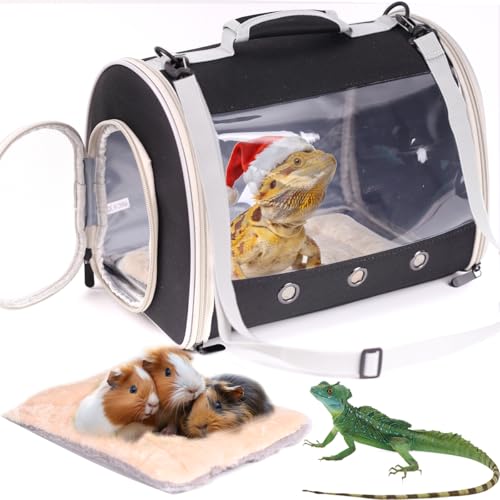
When a bearded dragon feels threatened or stressed, its beard (the spiky pouch under its chin) will turn jet black. This is a classic defensive display meant to make them look bigger and tougher. Common stress triggers include: a new pet or person in the room, a reflection in the glass, loud noises, or being handled too roughly. If your dragon’s body stays its normal color but the beard is black, stress is likely the cause. Give them space and cover three sides of the tank to reduce reflections. A cozy hide can work wonders. If you need to move them to a quieter spot, a secure reptile carrier makes transport calm and safe.
3. Shedding and Irritation
Your dragon may turn a patchy, dull black or gray before or during a shed. This is normal. The skin loosens and darkens as it prepares to peel away. You might also see them rubbing against rocks or branches to help the process along. Make sure the humidity in their tank is right (around 30 to 40 percent) and provide rough surfaces for rubbing. Avoid pulling off stuck shed yourself, you can cause injury. If your dragon is acting normally and eating, this is just a phase. Consider using a textured lizard liner to provide gentle abrasion and a clean surface during shedding season.
4. Illness and Impaction
A bearded dragon that stays dark for more than a day, especially along with lethargy, loss of appetite, or sunken eyes, may be sick. Impaction (a blockage in the digestive tract) is a common cause. This happens when they eat substrate like sand or oversized insects. Symptoms include a dark belly, straining, and lack of bowel movements. Another serious issue is metabolic bone disease, which can cause tremors and a dark, swollen jaw. Important: If your dragon is black and also unresponsive, not eating, or has abnormal stool, consult a reptile veterinarian immediately. Do not try home remedies for serious illness.
Bearded dragons can also turn black to absorb UVB rays more efficiently. If your UVB bulb is old or weak, your dragon may try to compensate by darkening its skin. Replace UVB bulbs every 6 to 12 months even if they still glow.
5. Mood and Social Signals
Yes, bearded dragons have moods. A male may turn his beard black during breeding season to impress a female or intimidate a rival. If you have two dragons in the same tank, one may turn black as a sign of dominance or submission. This is stressful and can lead to injury. Bearded dragons are solitary animals and should be housed alone. If you see black bearding with head bobbing or arm waving, it is a social display. Separate them if they are together. A calm, single-dragon setup with proper hides and a snug fit reptile house can reduce these territorial signals.
“A black beard is your dragon’s way of saying something is off. Listen with your eyes, not your ears.”
6. When to Worry and What to Do
So, how do you know if it is an emergency? Use this quick checklist: Is the black color confined to the beard or spread across the whole body? If just the beard, check for stress or breeding behavior. If the whole body is dark, check temperatures first. If temps are correct and your dragon is still dark, look for other symptoms: lethargy, weight loss, diarrhea, or breathing trouble. Any of these paired with darkness means a vet visit. In the meantime, keep your dragon warm, hydrated, and quiet. Avoid handling unless necessary. If you need to transport them to a vet, an insulated reptile carrier will keep temperatures stable during the trip and reduce additional stress.
Most color changes are temporary and fixable with a quick environmental adjustment. You know your dragon best. If their behavior seems off, trust your gut and get professional help. A happy beardie is a bright beardie, and with a little detective work, you will have them back to their sunny self in no time.