You notice the pellets floating at the top, untouched. Your betta, usually a hungry little greeter, is hiding behind the filter or just staring at the food. It’s worrying, I know. When a betta fish stops eating, it’s almost always trying to tell you something. The good news is that most causes are fixable once you know what to look for. Let’s walk through the most common reasons and exactly what you can do about it.
1. Water Quality Is the Number One Culprit
Before anything else, check your water parameters. Bettas are sensitive to ammonia, nitrite, and nitrate spikes. Even if the water looks clear, it can be toxic. A sudden loss of appetite is one of the first signs of poor water quality. Test your tank for ammonia, nitrite, nitrate, and pH. Ammonia and nitrite should be zero, nitrates under 20 ppm, and pH around 6.5 to 7.5. If levels are off, do a 25 to 50 percent water change with dechlorinated water, and consider adding a beneficial bacteria booster. In many cases, a clean tank is all it takes to bring back your betta’s appetite.
2. Temperature Shock or Incorrect Temperature
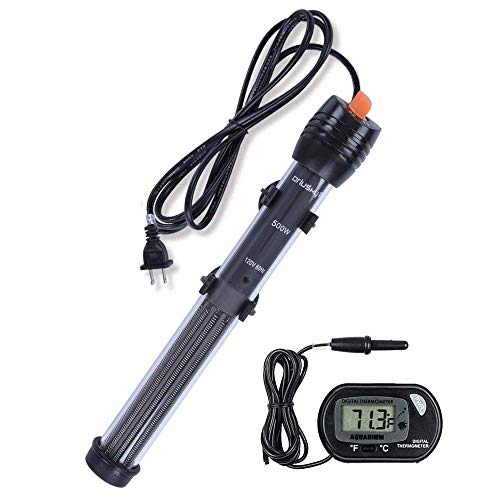
Bettas are tropical fish and need a steady water temperature between 78 and 80 degrees Fahrenheit. If the water is too cold, their metabolism slows down and they stop eating. If it’s too warm, they can become stressed. Use an adjustable heater and a reliable thermometer. Sudden temperature changes from a water change can also cause shock. Always match the new water temperature to the tank water. Once the temperature stabilizes, your betta will often start eating again within a day.
3. Stress From Tank Environment
Bettas can get stressed by strong filter flow, bright lights, or too much activity outside the tank. A stressed betta will often refuse food. Make sure the filter is gentle, add some live or silk plants for cover, and consider a dimmer light or floating plants. If you have a tank mate that is bullying your betta, that could be the issue too. Bettas do best alone or with very peaceful tank mates like snails or certain shrimp. Give your betta a quiet, low-stress environment for a few days, and you’ll likely see its appetite return.
4. Illness or Parasites
If water quality and temperature are fine, look for physical signs of illness. Common betta diseases that cause loss of appetite include fin rot, velvet, ich, and swim bladder disorder. Check for clamped fins, white spots, a bloated belly, or difficulty swimming. If you suspect an illness, quarantine your betta in a separate tank if possible and treat with a medication appropriate for the specific disease. For swim bladder issues, you can try fasting your betta for two to three days, then feeding a blanched pea (peeled and crushed) or a daphnia-based food. Always ask your vet for a proper diagnosis if you are unsure.
Bettas can get bored with the same pellets every day. Try rotating in frozen or live foods like bloodworms, brine shrimp, or daphnia. The movement of live food often triggers a feeding response. If you travel often, a WiFi fish feeder comparison can help you keep your betta fed on a consistent schedule without overfeeding.
5. Overfeeding or Wrong Food Type
Sometimes the issue is that you’ve been feeding too much, and your betta is simply full or bloated. Bettas have tiny stomachs, about the size of their eye. Feed only two to three pellets once or twice a day, and skip one day a week to let their digestive system rest. If you’ve been feeding flakes, try switching to a high-quality betta pellet or a frozen food. Pellets that sink too fast might be missed, so look for floating pellets. If you need an automatic solution, check out this guide on which automatic fish feeder is best to keep portions consistent when you are away.
6. Acclimation to a New Tank
If you just brought your betta home, it might take a few days to adjust. New environments are stressful, and it’s normal for a betta to not eat for the first two to three days. Make sure the tank is cycled and the water parameters are stable. Keep the lights dim and avoid tapping on the glass. Offer a small amount of food once a day, and remove any uneaten food after five minutes. Once your betta feels safe, it will likely start eating.
7. Age and Natural Slowdown
Older bettas, usually over two years old, naturally become less active and may eat less. Their metabolism slows down, and they might not need as much food. If your betta is older, still swimming normally, and has no other signs of illness, a reduced appetite can be normal. Try offering smaller portions of high-protein foods like bloodworms to keep them interested. If you have other pets in the house, like a dog, you might find the best fish oil for shiny fur helpful for their coat, but for your betta, stick to species-appropriate nutrition.
“A betta that stops eating isn’t being picky. It’s communicating. Listen by checking the water first.”
8. Lighting and Day-Night Cycle
Bettas need a regular day-night cycle to regulate their appetite and behavior. If your tank light is on for more than 10 to 12 hours a day, or if the room is brightly lit at night, it can disrupt their internal clock. Use a timer to give your betta 8 to 10 hours of light and complete darkness at night. This helps reduce stress and can encourage normal feeding behavior.
9. When to Seek Veterinary Help
If your betta hasn’t eaten for more than a week, is showing signs of severe illness like lethargy, clamped fins, or visible parasites, and you’ve tried correcting water quality and temperature, it’s time to consult a vet who specializes in fish. They can perform a proper diagnosis and recommend treatments. In the meantime, keep the tank clean and offer a variety of foods. Remember, you can always ask your vet for guidance on any health concerns.