If you’ve noticed your bird pulling out feathers, you’re not alone, and you’re right to be concerned. It can be alarming to see bare patches or a pile of feathers at the bottom of the cage. The first thing to understand is that feather plucking is almost never a random act of mischief. It’s a symptom. Your bird is trying to tell you something is off, whether it’s physical discomfort, emotional stress, or environmental boredom. Let’s walk through the real reasons this happens and what you can actually do about it.
Medical Causes: Rule Out Physical Problems First
Before assuming your bird is just bored or anxious, you need to make sure there isn’t a medical reason. Feather plucking can be triggered by skin infections, parasites (like mites or lice), allergies, or even internal pain from conditions like liver disease or reproductive issues. A bird that feels itchy or sore may turn to plucking as a way to relieve the sensation. If the plucking is sudden or severe, a vet visit is non-negotiable. Your avian vet can run basic tests to check for infections, nutritional deficiencies, or underlying illnesses. This is especially important for species like mynah birds, where signs of illness in mynah birds can sometimes be subtle until feather plucking becomes obvious.
Always start with a vet check before changing your bird’s environment or diet. Plucking is often a symptom, not the root cause, and treating the wrong thing can delay real relief.
Boredom and Lack of Mental Stimulation
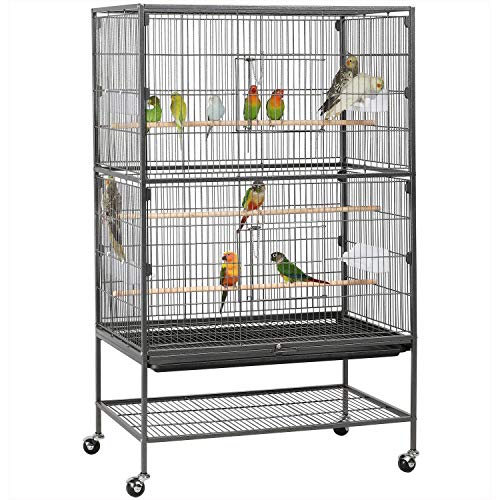
Birds are incredibly intelligent creatures. In the wild, they spend hours foraging, exploring, and socializing. In captivity, a bird that has nothing to do all day can easily fall into destructive habits like feather plucking. If your bird’s cage is small, bare, or lacks toys and perches, they may start plucking out of pure boredom. Rotate toys regularly, offer foraging opportunities (like hiding treats in paper or puzzle toys), and consider the cage size. For larger birds like mynahs, a cramped cage is a major stressor. Check mynah bird cage size requirements to ensure your bird has enough room to move, stretch, and play. Even simple changes, like adding a new branch or a mirror, can make a difference.
Stress, Anxiety, and Environmental Changes
Birds are sensitive to change. A new pet, a move to a different room, loud noises, or even a change in your work schedule can trigger stress that leads to plucking. Feather plucking is a coping mechanism, similar to how humans might bite their nails or fidget. Look for other signs of stress: screaming, pacing, or decreased appetite. If you’ve recently changed your bird’s routine, try to restore consistency. Provide a quiet, safe space where your bird can retreat. Also, consider your bird’s social needs. Some birds are flock animals and need regular interaction. If you have a mynah bird, you might be wondering about their personality. Reading about are mynah birds good pets can help you understand their social requirements and whether your bird might be lonely or overwhelmed.
“A plucked feather is a bird’s way of saying something is wrong. Listen before the feathers pile up.”
Dietary Deficiencies and Poor Nutrition
Feathers are made mostly of protein, so a diet lacking in high-quality protein can lead to brittle feathers and increased plucking. Birds also need specific vitamins (like A, D, and E) and minerals (like calcium) for healthy feather growth. A seed-only diet is often the culprit. Switch to a balanced pelleted diet supplemented with fresh vegetables, fruits, and occasional protein sources like cooked egg or legumes. For mynah birds, diet is especially critical because they are prone to iron storage disease and vitamin deficiencies. Learn more about what to feed them in what do mynah birds eat to ensure you’re providing the right nutrients. A proper diet alone can sometimes stop plucking within weeks.
Improper Bathing and Grooming Habits
Believe it or not, how you bathe your bird can influence feather health. Birds need regular bathing to keep their feathers clean and to maintain the natural oils that protect their skin. If a bird is not bathed enough, the feathers can become dusty, itchy, and brittle, which may trigger plucking. On the flip side, over-bathing or using harsh chemicals can strip oils and cause dryness. A gentle misting with lukewarm water a few times a week is usually ideal. If you have a mynah bird, they have specific bathing preferences. Check out how to bathe a mynah bird for species-specific tips that can keep your bird’s feathers in good condition and reduce the urge to pluck.
Hormonal Triggers and Breeding Behavior
Sometimes feather plucking is linked to hormonal surges, especially in female birds or during breeding season. A bird that is trying to nest or is frustrated by a lack of a mate may pluck feathers from their chest or belly. This is often temporary, but it can become chronic if the bird is constantly in a hormonal state. To reduce hormonal triggers, avoid giving your bird dark, enclosed spaces (like nest boxes or tents), limit high-fat foods, and ensure your bird gets 10-12 hours of uninterrupted sleep each night. If the plucking coincides with spring or changes in daylight, it’s likely hormonal. For mynah birds, which have unique vocal and social behaviors, understanding their natural cycles can help. You might also find useful insights in why does my mynah bird pluck its feathers for more species-specific advice.
If your bird has been plucking for more than a few days, or if you see raw skin, bleeding, or signs of infection, please consult an avian veterinarian. Feather plucking can lead to serious skin damage and should not be ignored.