You’re petting your cat, everything feels perfect, and then out of nowhere, teeth meet skin. It’s confusing, a little painful, and honestly, it can make you feel like you’re doing something wrong. But here’s the truth: cats don’t bite to be mean. They bite because they’re trying to tell you something, and once you learn to read those signals, you can stop the chomping before it starts. Let’s break down the real reasons behind your cat’s biting and exactly what to do about it.
1. Petting-Induced Biting: The Overstimulation Switch
The most common scenario is the classic “petting and then biting” pattern. Your cat enjoys the attention, but after a few minutes, their nervous system gets overloaded. Their tail starts twitching, their ears flatten, and then, snap. This isn’t a betrayal, it’s a boundary. Cats have a threshold for touch, and once you cross it, they need you to stop immediately.
Watch for the warning signs: a twitching tail, flattened ears, or a sudden shift in body tension. When you see these, stop petting and give your cat space. Over time, you’ll learn your cat’s exact limit, and you can keep sessions shorter and sweeter. If your cat has sensitive skin or allergies, they might be even more touch-sensitive. Check out our guide on how often to bathe a cat with allergies for tips on keeping their skin comfortable.
2. Play Biting: They’re Practicing Their Hunting Skills
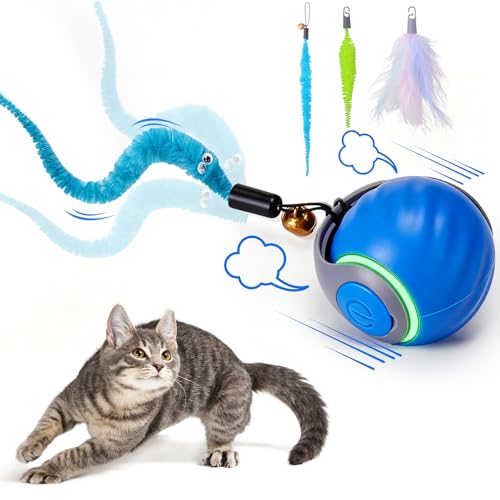
Your cat is a natural predator, and in the wild, they’d be catching mice. In your living room, your moving hand or foot is the perfect stand-in for prey. Play biting is usually gentler, but it can still hurt, especially if your cat gets carried away. The key is to redirect this energy onto appropriate toys, not your body parts.
Always use a wand toy or a plush mouse to play with your cat, never your bare hands. If your cat grabs your hand, stop moving and let your hand go limp. Movement triggers the chase instinct, so stillness signals that the game is over. Then, offer a toy they can legally bite. This teaches them that teeth are for toys, not for humans.
3. Love Bites: The Confusing Affection Chomp
Sometimes, your cat will gently nibble on you while purring and kneading. These are often called “love bites,” and they’re a weird cat way of showing affection. It’s like they’re grooming you, but their teeth get involved. While it’s sweet in theory, it can still be uncomfortable.
If your cat gives you a love bite, don’t pull away suddenly, as that can trigger a stronger bite. Instead, gently push toward the bite (counterintuitive, but it works) and then redirect their attention to a toy or a treat. Over time, you can teach them that gentle licking is okay, but teeth are not.
4. Fear or Pain: When Biting Is a Defense
If your cat is scared, in pain, or feeling cornered, they will bite as a defense mechanism. This is different from play or overstimulation. Watch for a puffed-up tail, hissing, or a crouched, tense posture. If your cat bites when you touch a specific area, they might be in pain, and you should ask your vet to check them out.
Never punish a fearful cat. Instead, give them space and try to figure out what’s scaring them. If your cat has a health condition like allergies, their discomfort might make them more irritable. You can learn more about signs of food allergies in cats to see if an underlying issue is making them grumpy.
5. Attention-Seeking Bites: The “Hey, Look at Me” Nip
Some cats learn that a quick bite gets your attention, even if it’s negative attention. If you’re busy on your laptop or ignoring them, a nip is a surefire way to make you react. This is a learned behavior, so you need to break the cycle.
Don’t yell or push your cat away, as that’s still a reaction. Instead, get up and leave the room without saying a word. This teaches your cat that biting means you leave, not that you engage. Make sure you’re also giving your cat plenty of positive attention throughout the day, so they don’t feel the need to resort to biting.
6. Redirected Aggression: Biting the Messenger
Have you ever seen your cat staring out the window at another cat, and then when you go to pet them, they turn and bite you? That’s redirected aggression. Your cat is frustrated by the outdoor cat, and you happen to be the nearest target for that frustration.
If this happens, don’t take it personally. Give your cat space and try to block their view of the outdoor trigger with curtains or blinds. You can also distract them with a toy or a treat to break their focus. Understanding this can help you avoid getting caught in the crossfire.
7. Medical Issues: When Biting Is a Symptom
Sometimes, biting can be a sign of an underlying medical issue, especially if it’s a sudden behavior change. Dental pain, arthritis, or hyperthyroidism can make your cat irritable and more likely to bite. If your cat’s biting is new, frequent, or accompanied by other symptoms like lethargy or changes in appetite, it’s time to see your vet.
Your vet can rule out medical causes and help you get to the root of the problem. If your cat has allergies that are causing skin irritation, they might be more sensitive to touch. Check out our article on why does my allergic cat sneeze so much to understand how allergies can affect your cat’s overall comfort and behavior.
Always keep a small toy in your pocket. If your cat starts to bite, immediately offer the toy instead. This redirects their energy and teaches them that toys are for biting, not your skin.
“A cat’s bite is never random. It’s a message, and once you learn to listen, you’ll both be happier.”
How to Stop the Biting: Simple Steps That Work
Now that you know the reasons, here’s your action plan. First, always read your cat’s body language. If they look tense, stop what you’re doing. Second, never use your hands or feet as toys. Third, provide plenty of interactive play sessions to burn off energy. And finally, be patient. Changing a biting habit takes time, but with consistency, your cat will learn that gentle behavior gets them more love and attention.
If your cat is prone to hairballs from grooming too much, that can also be a sign of stress, which might lead to biting. Check out our guide on how often to brush a cat prone to hairballs to keep their coat healthy and reduce stress-related grooming. Remember, your cat isn’t trying to hurt you. They’re trying to communicate. Listen to them, and you’ll both be much happier.