You love your cat, but when the clock strikes 2 a.m. and the yowling starts, it can feel like a battle of wills. That plaintive cry echoing through the dark house is hard to ignore, and it leaves you wondering: why is my cat crying at night? The short answer is that cats are naturally crepuscular, meaning they are most active at dawn and dusk. But when the crying becomes a nightly ritual, it usually points to one of a few specific needs or issues. Let’s walk through the most common reasons and what you can do to help everyone get a good night’s rest.
1. Your Cat Is Bored and Has Pent-Up Energy
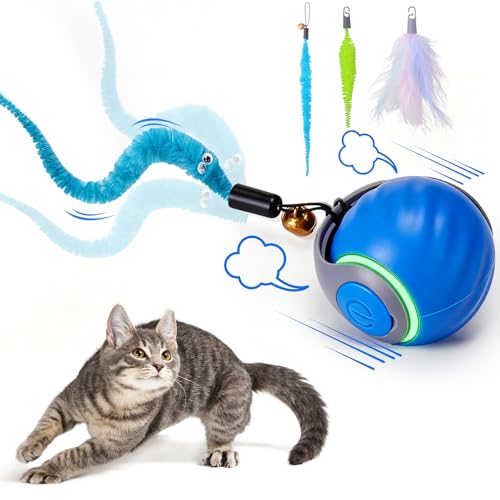
Cats sleep a lot during the day, especially when you are at work. By the time you are ready for bed, they may have just woken up from a long nap and are ready to play. If your cat doesn’t get enough active playtime during the day, they will often cry at night to get your attention and burn off that energy. A tired cat is a quiet cat. Try scheduling a dedicated play session about 15 to 20 minutes before your bedtime. Use a wand toy or a laser pointer to mimic hunting, letting your cat chase, pounce, and catch. After the play session, offer a small meal or a few treats to simulate the natural hunt-eat-groom-sleep cycle. This can help your cat feel satisfied and ready to settle down.
2. Hunger or Thirst Is Waking Them Up
If your cat’s food bowl is empty in the middle of the night, they may cry to let you know. Cats are creatures of habit, and if they are used to a specific feeding schedule, they will remind you loudly if it’s off. Consider using an automatic feeder that dispenses a small portion of food late at night or very early in the morning. This removes you from the equation and gives your cat a reliable source of food. Also, make sure your cat always has access to fresh water. Some cats prefer running water, so a cat fountain can encourage them to drink more. If your cat is on a dry food diet and prone to hairballs, switching to a food designed for digestive health can help. For more on that, check out our guide on the Cut Indoor Hairballs: Top Cat Food Reviewed to find a formula that keeps your cat feeling full and comfortable.
3. They Want Your Attention or Company
Sometimes the crying is simply your cat saying, “I miss you.” Cats can become lonely or anxious when the house goes quiet and dark. If your cat is particularly bonded to you, they may cry at night because they want you to be awake with them. This is especially common in single-cat households or if your cat is a solo pet. You can try leaving a piece of your worn clothing (like an old t-shirt) in their bed so they have your scent nearby. Another option is to provide a cozy, enclosed bed in your bedroom so they feel close to you without needing to cry for attention. If your cat is very active and needs a way to self-entertain, consider adding a Best Cat Scratching Barrels and Posts for Happy Cats to your living space. A scratching barrel or post can give them a satisfying outlet for energy and claw maintenance during those late-night hours.
Did you know that cats can make over 100 different vocal sounds, while dogs only make about 10? A meow is almost exclusively used to communicate with humans, not other cats. So when your cat cries at night, they are specifically trying to talk to you.
4. Stress, Anxiety, or Changes in Routine
Cats are sensitive to change. A new pet, a move to a new home, a change in your work schedule, or even rearranging the furniture can trigger anxiety that leads to nighttime crying. Stress can also manifest as excessive vocalization, pacing, or clinginess. If you suspect stress is the cause, look for ways to create a calm environment. Pheromone diffusers can help, and you can find a range of options in our guide to the Calm Any Cat: Best Calming Diffuser Kits for Every Budget. These diffusers release synthetic feline facial pheromones that can help your cat feel safe and secure. Also, make sure your cat has safe hiding spots and vertical spaces, like cat trees or shelves, where they can retreat if they feel overwhelmed.
5. Medical Issues That Cause Discomfort
While many reasons for nighttime crying are behavioral, you should never rule out a medical problem. Conditions like hyperthyroidism, kidney disease, dental pain, arthritis, or high blood pressure can cause a cat to become restless and vocal, especially at night. If your cat is also showing other signs like increased thirst, weight loss, changes in litter box habits, or a poor coat, it is important to schedule a visit with your veterinarian. Older cats are especially prone to cognitive dysfunction syndrome (similar to dementia in humans), which can cause confusion and disorientation at night. A vet can help rule out these issues and recommend treatment if needed. Always trust your gut: if the crying is new, persistent, or accompanied by other symptoms, a checkup is a wise first step.
6. They Are in Heat or Marking Territory
If your cat is not spayed or neutered, nighttime crying is a very common sign of being in heat. Female cats in heat will yowl loudly to attract males, and male cats may cry if they smell a female in heat nearby. This behavior is instinctual and will continue until the cat is spayed or neutered. If your cat is intact, the most effective solution is to schedule the surgery. Not only will it stop the crying, but it also prevents unwanted litters and reduces the risk of certain cancers and roaming behaviors. Even if your cat is spayed or neutered, they may still cry if they see or hear outdoor cats through a window. Blocking their view with curtains or blinds can reduce this trigger.
“A cat’s midnight serenade is rarely a song of joy, it is usually a request. Listen to the tone, the timing, and the context, and you will understand what your cat is trying to tell you.”
Practical Tips for a Quieter Night
Beyond addressing the specific cause, there are a few general strategies you can try. First, never reward the crying by getting up and feeding or playing with your cat. This teaches them that crying gets results. Instead, wait for a moment of silence, then give them attention. Second, make sure your cat has a consistent daily routine for feeding, play, and cuddle time. Predictability reduces anxiety. Third, provide environmental enrichment: puzzle feeders, window perches, and interactive toys can keep your cat occupied during the night. If your cat is an indoor explorer, a Best Cat Backpack Carriers with Bubble Window can be a great way to take them on safe outdoor adventures during the day, tiring them out so they sleep better at night. Finally, be patient. Changing a cat’s behavior takes time and consistency, but with a little detective work and some small adjustments, you can help your cat feel calm and content through the night.