Hearing your cat cry non-stop can be heartbreaking and exhausting. You love them, but that constant meowing, yowling, or crying can make you feel helpless. The good news is that cats don’t cry for no reason. They are communicating with you, and your job is to become a detective. This guide will walk you through the most common reasons for non-stop crying in cats, from simple fixes like a clean litter box to more serious health concerns. We’ll help you figure out what your cat is saying and how to respond with patience and care.
1. Medical Issues: The First Thing to Rule Out
Before you assume your cat is just being dramatic, you need to consider a medical cause. Cats are masters at hiding pain, but persistent crying is often a sign that something is physically wrong. Common culprits include urinary tract infections, kidney disease, hyperthyroidism, dental pain, or arthritis. If your cat is crying while using the litter box or seems to be in pain when you touch them, a vet visit is non-negotiable. Never try to diagnose or treat a potential medical issue at home. A quick checkup can rule out serious problems and give you peace of mind. If your cat has a clean bill of health, then you can move on to behavioral and environmental causes.
2. Hunger or Thirst: Check the Bowl
Sometimes the answer is simple: your cat is hungry or thirsty. But it might not be as straightforward as you think. Some cats are very routine-oriented and will cry if their food bowl is empty, even if it’s only been a few hours. Others might be crying because their water bowl is dirty or empty. If you have a cat that seems to cry around meal times, try sticking to a consistent feeding schedule. Also, consider the bowl itself. Some cats dislike deep bowls that touch their whiskers, which can cause whisker fatigue. Switching to elevated cat bowls can make eating more comfortable, especially for older cats with arthritis or neck pain. Always ensure fresh, clean water is available in multiple locations around the house.
3. Boredom and Loneliness: They Want Your Attention
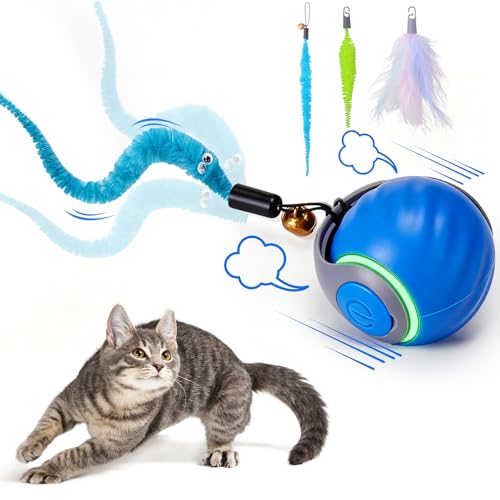
Cats are independent, but they also crave interaction. A cat that cries non-stop may simply be bored or lonely. This is especially common if you’ve been gone all day or if your cat is the only pet in the house. They might be asking you to play, cuddle, or just acknowledge them. Before you give in to every meow, make sure your cat has plenty of enrichment. Rotate toys, set up a bird feeder outside a window, or try a puzzle feeder. If your cat is particularly social, consider adopting a second cat, but only if that fits your household. For cats that need a little extra calming support, a cat calming collar can help reduce anxiety and make them feel more secure when you are not around. Spend at least 10 to 15 minutes twice a day in focused playtime to burn off that pent-up energy.
4. Stress and Anxiety: Changes in Their World
Cats are creatures of habit. Any change in their environment can trigger stress and cause non-stop crying. This could be a move to a new home, a new baby or pet, rearranged furniture, or even a change in your work schedule. Stressed cats may also exhibit other behaviors like hiding, over-grooming, or inappropriate elimination. To help your cat feel safe, provide plenty of hiding spots, vertical space like cat trees, and keep a consistent routine. You can also use synthetic pheromone diffusers or sprays. If your cat’s gut health is affected by stress, adding a cat probiotic supplement to their diet can support digestion and overall well-being. Give your cat time to adjust, and offer extra love and patience during transitions.
Did you know that adult cats rarely meow at each other? Meowing is a behavior they specifically developed to communicate with humans. So when your cat cries, they are literally trying to talk to you!
5. Cognitive Decline: Senior Cats Need Extra Care
If you have an older cat, non-stop crying, especially at night, could be a sign of feline cognitive dysfunction (similar to dementia in humans). Senior cats can become disoriented, forget where their food bowl is, or feel confused and anxious. They may yowl because they are lost or scared. If your cat is over 10 years old and has started crying excessively, a vet check is important to rule out other age-related issues like vision or hearing loss. You can help by keeping a very consistent routine, using nightlights in hallways, and making sure their resources (food, water, litter box) are easy to find. Gentle play and mental stimulation during the day can also help keep their mind sharp.
6. Mating Behavior: Unspayed or Unneutered Cats
If your cat is not spayed or neutered, the crying could be related to mating instincts. Female cats in heat will yowl loudly and frequently to attract a mate. Male cats will cry and howl if they sense a female in heat nearby, even if they are indoors. This behavior is instinctual and very hard to stop without surgery. Spaying or neutering your cat not only stops the crying but also prevents unwanted litters and reduces the risk of certain cancers and infections. If your cat is already fixed and still crying, this is likely not the cause, but it’s worth checking if you adopted an adult cat with an unknown history.
“Your cat’s cry is not noise, it’s a message. Listen with your eyes as much as your ears.”
7. Territorial or Outdoor Concerns
If your cat is an indoor-outdoor cat or can see outside through windows, they might cry because they see another cat in their territory. This is very common in neighborhoods with many outdoor cats. Your cat may feel threatened or frustrated that they cannot chase the intruder away. To reduce this stress, block your cat’s view of the yard by using window film or blinds. You can also provide a safe outdoor experience by taking them for walks. A secure cat harness for walking allows your cat to explore the outdoors safely under your supervision, which can satisfy their curiosity and reduce territorial anxiety. Make sure to also check that your cat’s microchip information is up to date in case they ever slip out.
8. They Just Want to Be Near You
Sometimes, the simplest explanation is the right one. Your cat might be crying because they want to be in the same room as you, or they want to sit on your lap. This is especially common at night when you close the bedroom door. Some cats are just more vocal and clingy than others. If your cat is healthy, fed, and has plenty of stimulation, a little crying might just be their way of saying, “I love you and I want to be with you.” You can try ignoring the crying at night (hard as it is) to avoid reinforcing the behavior, but make sure they have a cozy bed and a toy nearby. If your cat is otherwise happy and healthy, a little extra cuddle time might be all they need.
If your cat’s crying is accompanied by vomiting, diarrhea, lethargy, loss of appetite, straining to urinate, or hiding, please contact your veterinarian immediately. Non-stop crying can be a sign of a serious medical emergency, especially in older cats or kittens. It’s always better to be safe than sorry.