You come home expecting a head bump and a purr, but instead get a flat-eared hiss or a tail flick that says “back off.” It hurts, doesn’t it? When a normally social cat starts destroying social behaviors, it’s easy to feel rejected or frustrated. But here’s the truth: your cat isn’t trying to be mean. Something is off in their world, and they’re trying to tell you. Let’s walk through what might be going on and how you can help them feel like themselves again.
1. Pain or Discomfort Is the Number One Cause
If your cat has suddenly become irritable, hiding more, or swatting when you reach for them, pain is the most likely suspect. Cats are masters at hiding discomfort, but social withdrawal is often the first crack in that mask. Common culprits include dental pain, arthritis (especially in cats over 7), or a urinary tract issue. Watch for subtle signs like flinching when touched, avoiding the litter box, or changes in appetite. If you notice any of these, a vet visit is the safest first step. While you’re checking on their comfort, consider their eating setup: elevated cat bowls can reduce neck strain for older cats and make mealtime more pleasant, which can improve their mood.
2. Environmental Stress: The Hidden Trigger
Cats thrive on predictability. A new piece of furniture, a visitor, construction noise, or even a change in your work schedule can throw them into a state of hypervigilance. When a cat feels unsafe, their social behaviors often shut down. They might stop sleeping near you, avoid the living room, or start spraying. Think about what has changed in the last two weeks. If you can identify the stressor, try to mitigate it. For example, provide a high hiding spot, use a Feliway diffuser, or give them a predictable routine. If your cat is still struggling, a cat calming collar can offer gentle, continuous support without medication. Many owners see a noticeable difference in their cat’s willingness to re-engage within a few days.
3. The Litter Box and Territory Tension
Social behavior often breaks down over territory, and nothing says “I’m stressed” like a cat that stops using the litter box or starts guarding a room. If you have multiple cats, resource competition is a huge factor. Make sure you have one litter box per cat plus one extra, and place them in quiet, low-traffic areas. Also check that food and water stations are separated from the litter box. Cats are biologically wired to avoid eating near their waste. If your cat is acting out around mealtime, it might be a sign they feel vulnerable while eating. This is where a calm, safe feeding station matters. And if your cat has been losing weight or showing digestive upset alongside behavioral changes, a cat probiotic supplement can help settle their gut, which often has a direct link to mood and social confidence.
Cats have a specialized scent organ called the Jacobson’s organ on the roof of their mouth. When they “stink face” or grimace after sniffing something, they’re actually analyzing pheromones. That’s why calming pheromone diffusers work so well, they speak your cat’s chemical language.
4. Changes in Your Behavior or Household Routine
Your cat reads you like a book. If you’ve been working longer hours, feeling anxious, or even changed your scent (new soap, new laundry detergent), your cat may respond by withdrawing. Cats are creatures of habit, and any disruption to the rhythm they know can feel like a threat. Try to re-establish a predictable daily schedule: feed at the same times, play before bed, and offer a consistent greeting ritual. If you’ve been gone more, don’t overwhelm them with attention when you return. Let them come to you. A slow blink from across the room is a powerful peace offering. If you’ve started taking your cat on walks to help with their energy, make sure the gear is comfortable and secure. A properly fitted cat harness for walking can turn a stressful outing into a bonding experience that rebuilds trust.
5. Boredom and Pent-Up Energy
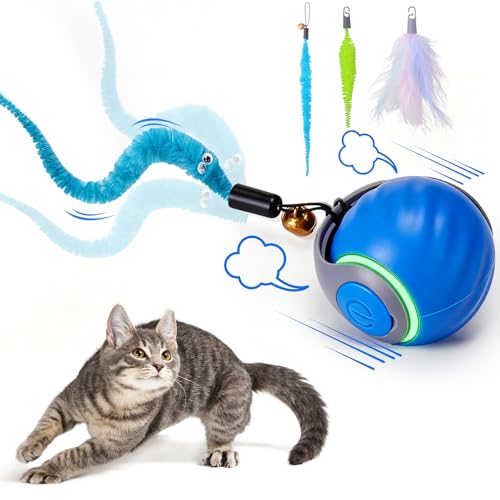
Believe it or not, a bored cat can become socially destructive. Without enough mental and physical stimulation, cats can redirect their frustration into aggressive or avoidant behaviors. They might bite during petting, knock things over, or simply stop interacting with you because they’re overstimulated and under-enriched. The fix is simple: interactive play sessions (at least two 10-minute sessions a day), puzzle feeders, and rotating toys. Cats need to hunt, chase, and pounce to feel satisfied. If you can’t be home for long stretches, consider a window perch or a bird feeder outside a window. A tired cat is a friendly cat.
“A cat’s worst day is rarely about you. It’s about something in their world that feels out of control. Your job is to be the detective, not the defendant.”
6. When to Involve Your Veterinarian
If you’ve addressed pain, stress, territory, and routine, and your cat is still destroying social behaviors, it’s time for a professional checkup. Medical conditions like hyperthyroidism, kidney disease, or cognitive dysfunction (feline dementia) can present as behavioral changes, especially in older cats. Your vet can run bloodwork and rule out underlying illness. Never assume a behavior change is just a phase. And please, never punish a cat for acting out. Punishment increases fear and destroys trust. Instead, focus on what your cat is trying to communicate. With patience and a little detective work, you can rebuild the bond and bring your social, purring companion back.