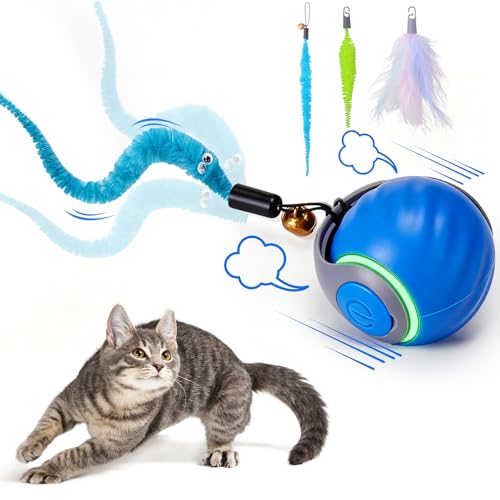
Finding your cat with a mouthful of litter is alarming, and you are not alone. Many cat owners panic the first time they see it, but the good news is that this behavior often has a clear cause. Whether it is a sign of an underlying health problem or simply a curious kitten exploring the world, understanding why your cat is eating litter is the first step to fixing it. Let’s get straight to the reasons and what you can do today.
1. Nutritional Deficiencies and Anemia
One of the most serious reasons a cat eats litter is a nutritional deficiency, especially iron deficiency anemia. Cats instinctively crave minerals they lack, and clumping clay litter contains sodium and trace minerals that might appeal to an anemic cat. If your cat is also lethargic, has pale gums, or shows a decreased appetite, this is a red flag. Anemia can be caused by internal parasites, kidney disease, or a poor diet. If you suspect this, ask your vet for a blood test immediately. In the meantime, ensure you are feeding a high-quality, balanced diet. For indoor cats prone to hairballs and digestive issues, switching to a formula like the ones reviewed in our guide to Cut Indoor Hairballs: Top Cat Food Reviewed can help ensure they get proper nutrients without fillers.
2. Pica: The Compulsive Eating Disorder
Pica is the medical term for eating non-food items, and litter is a common target. Some breeds, like Siamese and Burmese, are genetically predisposed to pica, but any cat can develop it. Stress, boredom, or early weaning are frequent triggers. If your cat is eating litter due to pica, they might also chew on plastic, fabric, or cardboard. The solution often involves environmental enrichment. Make sure your cat has plenty of interactive play, vertical space, and appropriate outlets for their instincts. A sturdy Best Cat Scratching Barrels and Posts for Happy Cats can redirect that oral fixation into a healthy scratching routine. If stress is the root cause, consider using a Calm Any Cat: Best Calming Diffuser Kits for Every Budget to create a more relaxed home environment.
3. Kidney Disease and Other Medical Conditions
Chronic kidney disease (CKD) is common in older cats and can cause a condition called uremia, where toxins build up in the blood. This can lead to nausea, a metallic taste in the mouth, and an odd craving for non-food items like litter. Other medical conditions, such as diabetes, hyperthyroidism, or dental pain, can also trigger this behavior. If your cat is over seven years old and suddenly starts eating litter, a vet visit is non-negotiable. They will run bloodwork and a urinalysis to check kidney function. While you wait for the appointment, make sure fresh water is always available, and consider using an Need the Best Elevated Ceramic Cat Bowl? Try Necoichi to encourage better hydration, which supports kidney health.
Some cats eat litter simply because they like the texture. Kittens explore the world with their mouths, and the gritty, dusty feel of clay litter can be oddly appealing. Most grow out of it by six months old, but always rule out medical causes first.
4. The Type of Litter Matters
Believe it or not, the litter itself can be the problem. Some cats are attracted to the smell or taste of certain litters, especially those made from corn, wheat, or pine. These natural, plant-based litters can smell like food to a hungry cat. If you recently switched to a new brand, try switching back to an unscented, clay-based litter. Also, avoid clumping litters for kittens, as they can expand in the stomach and cause a life-threatening blockage. If your cat is eating litter consistently, switch to a non-clumping, paper-based or crystal litter immediately. The texture is less appealing, and it is safer if ingested in small amounts.
5. Boredom and Lack of Stimulation
A bored cat will find ways to entertain themselves, and eating litter can become a weird hobby. This is especially common in indoor-only cats who lack mental stimulation. You can combat this by adding more play sessions, puzzle feeders, and environmental enrichment. A cat that is busy chasing a wand toy or exploring a new Top 5 Cat Scratching Posts is far less likely to snack on their litter box. Rotate toys weekly and consider using treat-dispensing puzzles to keep their brain engaged. If your cat is food-motivated, offer a few Expert Picks: Best Freeze-Dried Turkey Cat Treats as a reward for using their scratching post instead of the litter box.
“A cat eating litter is not being bad, they are trying to tell you something. Listen with your eyes and your vet’s ears.”
6. How to Stop the Behavior Safely
First, do not punish your cat. Scolding will only increase stress and make the behavior worse. Instead, take these steps: schedule a vet appointment to rule out medical causes, switch to a safer, non-clumping litter, and increase environmental enrichment. You can also try placing a small bowl of cat grass near the litter box, as some cats are simply craving greens and will choose grass over gravel. If the behavior persists after medical issues are ruled out, consult a veterinary behaviorist. In most cases, with the right diet, enrichment, and a clean bill of health, the litter-eating habit will fade.