You walk into the living room, and the cat is gone. Under the bed, behind the couch, or squeezed into that tiny gap behind the bookshelf. If this is a daily pattern, not just a one-off thunderstorm scare, you are probably worried and a little frustrated. Cats are masters of concealment, but when hiding becomes their default state, something is up. Let’s look at the real reasons your cat might be spending so much time out of sight, and what you can actually do about it.
1. It Might Be a Health Issue, Not Just a Mood
Before you rearrange the furniture or buy a new toy, check in with your cat’s body. Hiding is a classic survival instinct. In the wild, a sick or injured cat hides because vulnerability can mean death. Your indoor cat carries that same wiring. If your cat is suddenly hiding more than usual, especially if they also stop eating, drinking, or using the litter box, a trip to the vet is the first step. Common physical causes include dental pain, arthritis, urinary tract infections, or digestive upset. You can help support their comfort at home with things like a high-quality probiotic supplement to ease tummy troubles, but always rule out a medical problem first. A quick checkup can catch issues early and bring your cat back to their usual self.
2. Stress and Environmental Changes Are Big Triggers
Cats are creatures of routine. A new baby, a new pet, a move, or even rearranging the living room can send them into hiding. They need time to process change, and a dark closet feels safer than an open room. If you have recently changed your schedule, brought home a new piece of furniture, or had guests over, that could be the culprit. Give your cat a safe, quiet space where they can retreat without being disturbed. A cardboard box with a soft blanket in a low-traffic corner works wonders. For more persistent anxiety, a calming collar can provide gentle, continuous reassurance without medication. The key is patience. Do not drag them out. Let them come to you on their terms.
Studies show that hiding in enclosed spaces lowers a cat’s stress hormones. A simple cardboard box can be more calming than a fancy bed. It is not about luxury, it is about feeling invisible to predators.
3. They Need Better Hiding Spots (Yes, Really)
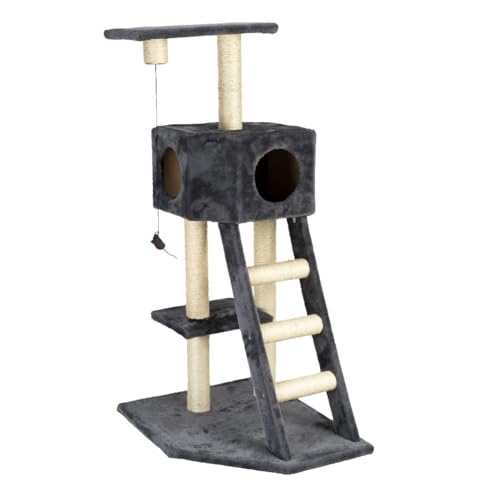
Sometimes the problem is that your cat does not have a good hiding spot, so they pick a bad one. A good hiding spot should be dark, quiet, have an escape route, and smell like them. If your cat is hiding behind the toilet or under the couch, they might be telling you they need a designated den. Consider a covered cat bed, a cat cave, or even a tall cat tree with a cubby. If your cat is also avoiding their food bowl, it could be because the bowl is in a high-traffic area. Moving their meals to a quiet corner, or using elevated cat bowls that reduce neck strain, can make eating feel safer and more comfortable. A cat that feels secure in their environment hides less.
“A hiding cat is not a broken cat. They are just trying to feel safe in a world that moves too fast for their whiskers.”
4. It Could Be a Personality Trait or Breed Tendency
Some cats are just introverts. If your cat has always been a hider and is eating, playing, and using the litter box normally, they might simply be a shy soul. Certain breeds, like Russian Blues or British Shorthairs, tend to be more reserved. Older cats also hide more as their senses dull and they feel less confident. Respect their nature. Do not force interaction. Instead, build trust with quiet activities. Sit near their hiding spot and read aloud or offer a high-value treat. Over weeks, they may inch closer. If you want to gently encourage more activity, a cat harness for walking can allow supervised outdoor exploration, which builds confidence in timid cats. But never push. The goal is comfort, not performance.
5. Pain or Discomfort from Grooming or Gear
Sometimes hiding is a response to physical discomfort that is not a disease. Long nails that get stuck in carpet, an uncomfortable collar, or a dirty litter box can make a cat feel trapped and vulnerable. If your cat hides right after you groom them or put on a harness, that is a clue. Make grooming a positive experience. Using a low-stress nail grinder like the Dremel 7300-PT can prevent the pain of overgrown nails without the fear of clippers. Check that their collar is not too tight and that their carrier is not associated with only scary vet trips. A comfortable, secure cat is much less likely to disappear under the bed.
6. How to Help Them Come Out on Their Own
You cannot force a cat out of hiding, but you can make the world outside their hideout more appealing. Start by creating a predictable routine. Feed them at the same time every day, in the same spot, near their hiding place. Use a soft voice. Play with a wand toy near the entrance of their hideout, but do not poke it at them. Let them watch. The goal is to associate being visible with good things. If your cat is hiding due to a new pet or person, use scent swapping. Rub a cloth on the new pet and place it near your cat’s food. Over time, the smell becomes familiar and less scary. If your cat is an escape artist who hides to avoid the carrier, consider a comfortable, airline-approved carrier that doubles as a cozy bed at home, so they learn it is not always a bad place.
If your cat has been hiding for more than 48 hours and is not eating, drinking, or using the litter box, please call your veterinarian. Hiding can mask serious illness. Better safe than sorry.