When your cat starts spending more time under the bed, inside a closet, or behind the couch than on their favorite sunny spot, it can feel worrying. You might wonder if you did something wrong or if they are just being dramatic. The truth is, hiding is a natural cat behavior, but a sudden increase in hiding often means something has shifted in their world. It could be physical, emotional, or environmental. Let’s walk through the most common reasons and, more importantly, what you can do to help your cat feel secure again without pushing them.
1. They Are Feeling Stressed or Anxious
Cats are creatures of habit, and even small changes can trigger anxiety. Think about recent events: did you rearrange the living room, bring home a new piece of furniture, or have guests stay over? Cats often hide to cope with perceived threats. The hiding spot gives them a sense of control. If your cat is stressed, you might also notice them being more jumpy, avoiding eye contact, or grooming excessively. A great first step is to provide a dedicated safe zone, like a covered cat bed placed in a quiet corner. For ongoing anxiety, some owners find that calming collars can help take the edge off by releasing gentle pheromones that mimic a mother cat’s scent. Always pair any product with patience and a consistent routine.
If your cat hides after a loud noise like thunder or a vacuum, do not drag them out. Instead, sit quietly near their hiding spot and read aloud or talk softly. Your voice can be reassuring without forcing interaction.
2. They Are Not Feeling Well
One of the most common reasons for increased hiding is illness or pain. Cats are masters at masking discomfort because in the wild, showing weakness makes them a target. Hiding is a survival instinct. If your cat is hiding and also showing other signs like reduced appetite, vomiting, diarrhea, lethargy, or avoiding the litter box, a vet visit is warranted. Do not wait too long. While you monitor them, make sure their food and water are easily accessible near their hiding spot. If your cat has been losing weight or seems uninterested in food, consider switching to elevated cat bowls which can make eating more comfortable for cats with neck or joint pain. But remember, if the hiding is paired with any concerning physical symptoms, contact your veterinarian.
“A hiding cat is not a broken cat. They are just telling you, in the only way they can, that their world feels a little too big right now.”
3. Changes in the Household Dynamic
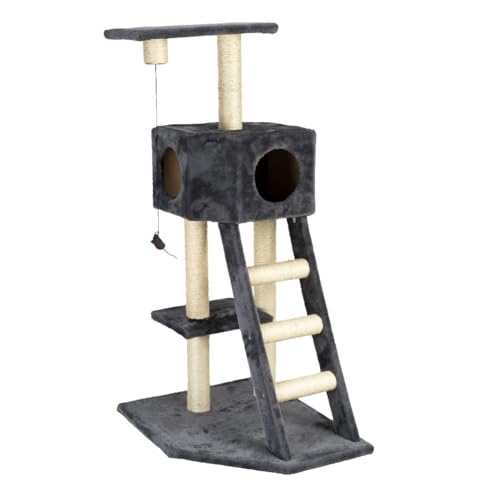
Did you adopt a new pet, bring home a baby, or did a family member move out? Cats are sensitive to shifts in the social landscape. A new pet, especially another cat, can make your resident cat feel threatened. They may hide to avoid confrontation or simply because they are overwhelmed. Similarly, a new baby brings new smells, sounds, and a shift in your attention. In these situations, give your cat extra vertical space like cat trees or shelves so they can observe from a safe height. Also, keep their resources (food, water, litter boxes) in separate, quiet areas away from the new pet or baby. Patience is key here; most cats adjust over a few weeks.
4. Environmental Triggers You Might Not Notice
Sometimes the trigger is something you cannot easily detect. Construction noise outside, a stray cat peeking through the window, or even a new air freshener can send your cat into hiding. Cats have a much stronger sense of smell and hearing than we do. If you cannot identify an obvious change, think about what might be happening outside your home. A simple solution is to block access to windows where they might see other animals, or use white noise machines to muffle outside sounds. You can also try a probiotic supplement to support gut health, as stress often affects digestion, and a calm gut can help a cat feel more settled overall.
5. They Found a New Favorite Spot (That Happens to Be Hidden)
Not all hiding is a red flag. Sometimes a cat simply discovers that the top shelf in your closet is warm, dark, and perfect for napping. If your cat is hiding but still eating, playing, and interacting with you when they come out, it might just be a new preference. However, if they are hiding more and also avoiding you or the family, that is a clearer sign of distress. To tell the difference, observe their body language when they are hidden. Are their ears relaxed? Are they purring? Or are they tense with dilated pupils? Relaxed hiding is fine; tense hiding needs investigation.
6. Pain from Dental or Joint Issues
Older cats especially may hide because of arthritis or dental pain. Moving hurts, so they stay still in a hidden spot. You might notice them hesitating to jump, eating less, or dropping food. If your cat is older and hiding more, a vet check for arthritis is a good idea. At home, you can make their environment more comfortable by placing soft beds in easy-to-reach spots, using ramps to furniture, and keeping food and water close by. Grooming can also become painful for an arthritic cat, so using a low-stress nail grinder can help keep their claws trimmed without the discomfort of squeezing into a carrier for a grooming visit.
7. They Are Overstimulated or Need a Break
Just like people, cats can get overstimulated. Too much petting, loud kids, or a busy household can make them retreat. Hiding gives them a chance to decompress. If your cat hides after a play session or after being handled, respect that boundary. Never follow them into their hiding spot to pull them out. Instead, let them come to you. You can encourage them to feel safe by offering treats near their hiding spot or by using a toy to gently engage them from a distance. Over time, they will learn that they can always retreat to a safe space when they need a break.
If your cat has been hiding for more than 24 hours and is also not eating, not drinking, not using the litter box, or showing signs of pain (crying, limping, hiding face), please call your vet. Hiding combined with these symptoms can signal a medical emergency.