You are sitting on the couch, and you hear that familiar crinkling sound. You look over, and your cat is happily licking a plastic grocery bag, eyes half-closed in bliss. It is a weird, common cat behavior that leaves many owners scratching their heads. Is it dangerous? Is your cat missing something in their diet? Or are they just being a little weirdo? At ProPawPicks, we get it. We have dug into the science and the real-world cat owner experiences to give you the straight answers on why your cat licks plastic bags and what you can do about it.
1. The Texture and Sound Are Irresistible
Cats are sensory creatures. The crinkly, slick texture of a plastic bag mimics the feel of fur, leaves, or even prey. For some cats, the sound of the plastic is a form of white noise or a satisfying auditory stimulus. It is similar to why some cats knead blankets or suckle on soft fabrics. This behavior often starts in kittens who were weaned too early. They transfer that suckling instinct to the next best thing: a plastic bag. If your cat is also a kneader, you might notice they do both at the same time. Providing a soft, textured alternative like a plush cat bed can sometimes satisfy that same oral fixation.
2. The Scent of Food or Oils
Plastic bags, especially grocery bags, are scent sponges. They pick up the smell of meat, fish, cooking oils, and even the plasticizers used in manufacturing. To your cat, that bag smells like a snack. Some plastic bags are made with stearates (derived from animal fat) or cornstarch-based additives that taste good to cats. Your cat is not licking the bag just to be annoying; they are trying to get at that faint, tasty residue. This is also why they might lick plastic packaging around deli meat or cheese. If your cat is obsessed with the kitchen, they might also be drawn to the water in your Top 5 Cat Water Fountains if it is placed near where you unpack groceries.
3. Pica: A Compulsive Eating Disorder
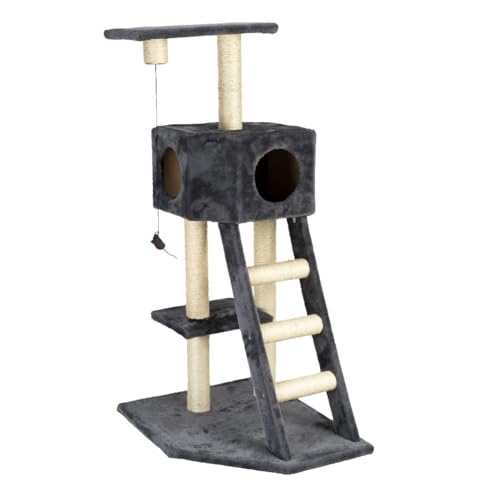
When licking turns into chewing and swallowing, it becomes pica. Pica is the compulsive ingestion of non-food items. In cats, pica is often linked to stress, anxiety, or boredom. It can also be a sign of an underlying medical issue like inflammatory bowel disease or anemia. If your cat is actively eating plastic (not just licking it), this is a medical emergency. Plastic can cause a life-threatening intestinal blockage. A cat with pica might also chew on cords, fabric, or cardboard. If you suspect pica, a trip to the vet is essential. They can rule out health problems and suggest behavioral enrichment. Adding a Top 5 Cat Trees to your home can give your cat vertical escape routes and mental stimulation, which often reduces stress-driven behaviors.
“A cat that licks plastic is often looking for comfort, not a snack. The real question is what comfort they are missing.”
4. Dental Discomfort or Oral Fixation
Sometimes, licking plastic is a sign of dental pain. The cool, smooth texture of the bag feels good on sore gums or a loose tooth. Cats with gingivitis, tooth resorption, or mouth ulcers may seek out this sensation. If your cat is also drooling, pawing at their mouth, or has bad breath, get their teeth checked. On the flip side, some cats just have an oral fixation. They need to have something in their mouth to feel calm. This is common in breeds like Siamese and Burmese. You can redirect this behavior by offering a safe chew toy or a dental treat. Regular grooming with a 7 Best Cat Deshedding Brushes, Tested on Real Felines can also help reduce stress and provide a bonding activity that satisfies their need for oral and tactile input.
5. Dietary Deficiencies or Digestive Upset
A cat that is missing certain nutrients, especially fiber or fatty acids, might seek them out in weird places. Plastic itself has no nutritional value, but the animal fats or starches on the bag can be a clue. If your cat is on a low-quality diet, they might be trying to supplement. However, it is more likely that the licking is a response to an upset stomach. Some cats lick plastic to induce vomiting (though it rarely works). If your cat has chronic hairballs or digestive issues, talk to your vet about a diet change or a probiotic. A product like Boost Your Cat’s Digestion with FortiFlora Probiotics can help settle their stomach and reduce the urge to eat non-food items.
Some plastic bags are made with a coating of stearic acid, a fatty acid also found in cocoa butter and animal fat. Your cat is literally licking a bag of fat. It is not weird, it is instinct.
6. How to Stop the Behavior Safely
First, remove access. Store plastic bags in a closed drawer, cabinet, or recycle them immediately. Never let your cat play with plastic bags unsupervised. Next, replace the behavior. Offer a crinkle toy, a cardboard box, or a paper bag (without handles) as a safer alternative. Increase playtime and environmental enrichment. A tired cat is a cat that does not obsess over plastic. If the licking is stress-related, try calming pheromone diffusers or a consistent daily routine. And always, always keep an eye on your cat. If they ever swallow a piece of plastic, call your vet or an emergency animal hospital immediately. Prevention is the best medicine.