You love your cat, but the 3 a.m. serenade is testing your patience. A cat that meows excessively at night can leave you exhausted and worried. The good news is that this behavior is almost always rooted in a specific need or instinct. By understanding why your cat is vocalizing, you can address the cause with compassion and practical changes. Below, we break down the most common reasons and what you can do about them.
1. Your Cat Is Bored and Has Pent-Up Energy
Cats are naturally crepuscular, meaning they are most active at dawn and dusk. Your cat may be meowing at night simply because they have energy to burn and want you to join the party. If your cat spends the day napping alone, they may be ready to play, hunt, and explore when you are trying to sleep.
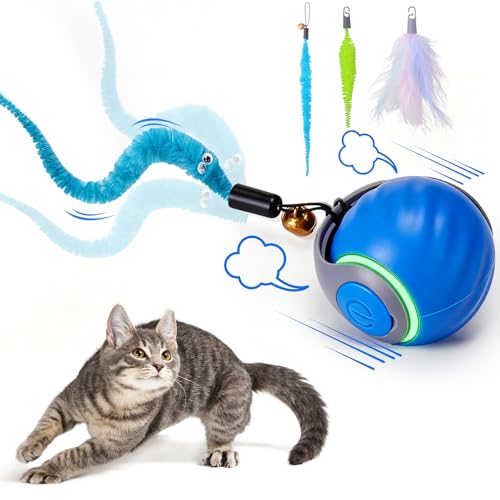
What you can do: Schedule a dedicated play session before your bedtime. Use interactive toys like wand toys or laser pointers to mimic hunting for 15 to 20 minutes. Follow play with a small meal or treat to simulate the “hunt, catch, eat, sleep” cycle. Providing a cat tree near a window can also give them a safe perch to watch the night world, which can satisfy their curiosity without waking you.
2. Hunger or Thirst
If your cat’s food bowl is empty at 2 a.m., they will let you know. Some cats learn that meowing gets them a snack, and the behavior becomes a habit. Similarly, a cat who is thirsty may vocalize if their water source is stale or empty.
What you can do: Consider an automatic feeder that dispenses a small portion of food in the early morning hours. This separates you from the food reward and can quiet the meowing. For water, try a cat water fountain, which provides fresh, moving water that many cats prefer and can encourage better hydration.
3. Medical Issues and Discomfort
Excessive meowing, especially if it is a new behavior, can be a sign of an underlying health problem. Older cats may suffer from arthritis, dental pain, or hyperthyroidism, which can cause restlessness and vocalization. Cats with cognitive dysfunction (similar to dementia in humans) may become disoriented at night and meow out of confusion or anxiety.
What you can do: If your cat’s nighttime meowing is sudden or accompanied by other changes like weight loss, increased thirst, or hiding, schedule a vet visit. A thorough checkup can rule out pain or illness. Do not attempt to diagnose or treat medical issues at home.
“A cat’s meow is not just noise, it is a message. When the message comes at 3 a.m., it is time to listen carefully.”
4. Age-Related Changes and Cognitive Decline
Senior cats (typically over 10 years old) often develop a condition called feline cognitive dysfunction syndrome. This can cause disorientation, changes in sleep-wake cycles, and increased vocalization at night. Your cat may seem lost, stare at walls, or cry out for no obvious reason.
What you can do: Keep a consistent routine. Leave a nightlight on in areas your cat frequents to help them navigate. Provide soft, warm bedding in a quiet, low-traffic area. A cat deshedding brush can also be a comforting grooming ritual before bed, helping your senior cat relax and bond with you. If the behavior worsens, ask your vet about supplements or medications that may support brain health.
5. Stress, Anxiety, or Changes in the Household
Cats are creatures of habit. A new pet, a move, a new baby, or even a change in your work schedule can trigger anxiety. Your cat may meow at night because they feel insecure or are seeking reassurance. Some cats also experience separation anxiety and vocalize when they are alone at night.
What you can do: Provide a safe, consistent environment. Use pheromone diffusers like Feliway in the room where your cat sleeps. Make sure your cat has a cozy, enclosed bed or a hiding spot where they feel secure. If you travel often, a sturdy cat carrier can double as a familiar, den-like space at home if you leave it open with a soft blanket inside.
Did you know that adult cats rarely meow at each other? Meowing is a behavior they developed specifically to communicate with humans. Your cat’s nighttime meows are a direct attempt to get your attention, not a conversation with other cats.
6. Your Cat Simply Wants Attention
Sometimes, the reason is straightforward: your cat has learned that meowing gets a reaction. Even negative attention, like yelling or getting up to shoo them away, can reinforce the behavior. If you have ever given in and fed or petted a meowing cat at night, you have taught them that the strategy works.
What you can do: Ignore the meowing as much as possible, but only after you have ruled out medical needs and hunger. Do not talk to, pet, or feed your cat when they meow at night. Instead, reward quiet behavior during the day with treats and affection. Ensure your cat has plenty of environmental enrichment, like a wall-mounted cat climbing shelf or puzzle toys, so they can entertain themselves without your involvement.
Remember, patience is key. Changing a habit takes time, and your cat is not trying to annoy you. They are simply communicating the best way they know how. If the meowing persists despite your best efforts, a consultation with a veterinarian or a certified feline behaviorist can provide personalized guidance.