There you are, finally settled into bed, eyes closed, drifting off , and then it starts. A plaintive mew from the hallway. Then another, closer. Before you know it, your cat is perched on your chest, staring at you like you owe them rent. If you’ve ever asked yourself, “Why is my cat meowing at night?” you’re not alone. It’s one of the most common (and most frustrating) cat behaviors, and the good news is that it’s almost always fixable once you understand what your cat is trying to tell you.
1. Your Cat Is Bored and Wants to Play
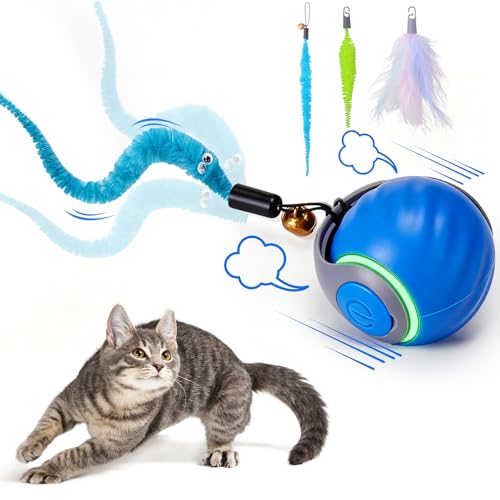
Cats are naturally crepuscular, meaning they’re most active at dawn and dusk. If your cat spends the day napping while you’re at work, they may wake up around midnight feeling full of energy. That meowing is often an invitation to play. The solution? Tire them out before bed. Spend 15 to 20 minutes engaging in interactive play with a wand toy or laser pointer. A good play session followed by a small meal mimics their natural hunt-catch-eat-groom-sleep cycle. If your cat is prone to hairballs from excessive grooming, regular brushing can also help reduce the urge to groom at night and keep their coat healthy.
2. Hunger or Thirst
Some cats learn that meowing at 3 a.m. gets them fed. If you’ve ever stumbled out of bed to fill an empty bowl, you’ve accidentally trained your cat to keep doing it. To break the cycle, try an automatic feeder set to go off in the early morning hours. That way, your cat learns that food comes from the machine, not from you waking up. Also make sure fresh water is always available. If you suspect your cat’s nighttime meowing is linked to digestive discomfort or food sensitivities, check out our guide on Signs Of Food Allergies In Cats: A Quick Guide to see if an ingredient change might help.
3. Medical Issues and Discomfort
If your cat has never been a nighttime yowler and suddenly starts, a medical issue could be the cause. Older cats, in particular, may develop hyperthyroidism, kidney disease, or cognitive dysfunction (similar to dementia) that causes confusion and vocalization at night. Pain from arthritis can also make it hard for them to settle. If the meowing is accompanied by other changes like increased thirst, weight loss, or restlessness, please make an appointment with your veterinarian. For cats with known allergies, managing symptoms can also improve sleep quality. You can learn more about Life Expectancy Of A Cat With Allergies: A Quick Guide for context on how chronic conditions affect overall well-being.
Did you know that cats can make over 100 different vocal sounds, while dogs only make about 10? Your cat’s nighttime meow might be a highly specific request, so pay attention to the pitch and pattern. A short, high-pitched meow often means “hello” or “feed me,” while a long, drawn-out yowl can signal distress or frustration.
4. Changes in Routine or Environment
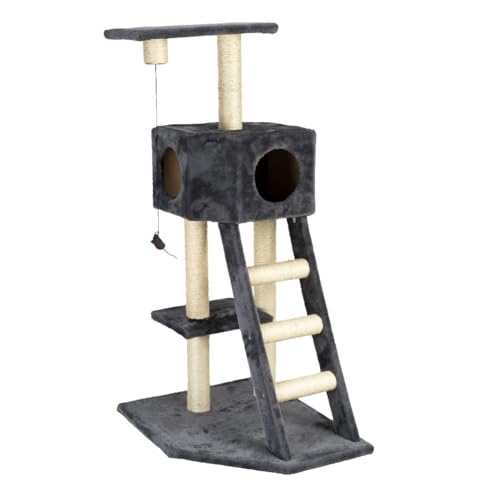
Cats are creatures of habit. A new baby, a move to a new home, a change in your work schedule, or even rearranging the furniture can throw them off. Nighttime meowing can be their way of saying, “I’m not sure what’s going on.” To help them adjust, keep feeding times, playtimes, and bedtime as consistent as possible. Provide hiding spots and vertical space so they feel secure. If your cat is also showing signs of stress like excessive grooming or sneezing, it could be related to environmental allergies. Our guide on Why Does My Allergic Cat Sneeze So Much? What to Know can help you identify triggers in your home.
5. Attention-Seeking Behavior
Some cats simply want your attention, and they’ve learned that meowing at night gets it. Even negative attention (like yelling “quiet!”) is still attention. The best response is to completely ignore the meowing , no eye contact, no talking, no getting up. This is hard, but it works. If you give in even once, the behavior will persist. At the same time, make sure you’re giving your cat plenty of positive attention during the day. A few minutes of focused petting, brushing, or talking to them can fill their social bucket so they don’t feel the need to wake you up.
“A cat’s meow is not just noise; it’s a conversation. Listen with patience, and you’ll learn what they truly need.”
6. Age-Related Changes
Kittens and senior cats are the most likely to meow at night. Kittens are adjusting to your schedule and may feel lonely. A warm bed, a ticking clock (mimicking a heartbeat), and a stuffed animal can help them settle. Senior cats, especially those over 10, may develop cognitive dysfunction syndrome (CDS). Signs include disorientation, pacing, and increased vocalization, especially at night. While there’s no cure, your vet can recommend supplements, medications, or environmental enrichment to help. If your senior cat also has skin or coat issues, regular grooming is essential. Check out our guide on How Often To Brush A Cat Prone To Hairballs? What to Know for tips on keeping them comfortable.
Remember, nighttime meowing is rarely a sign that your cat is being “bad.” It’s communication. By observing the context, ruling out medical causes, and making small adjustments to their environment and routine, you can help your cat (and yourself) get a good night’s sleep. If the behavior persists despite your best efforts, don’t hesitate to ask your vet for personalized advice.