You know your cat’s normal vocabulary. There is the chirp for breakfast, the trill when you walk in the door, and the occasional yowl at a closed door. So when your quiet companion starts meowing nonstop, it can feel unsettling. A sudden increase in vocalization is almost always a signal that something in their world has shifted. It could be something as simple as a new routine or as urgent as a health problem. Let’s look at the most common reasons your cat is meowing so much all of a sudden and what you can do about it.
1. They Are Trying to Tell You They Are in Pain or Discomfort
One of the first things to rule out is a medical issue. Cats are masters at hiding illness, but increased meowing is often a cry for help. Conditions like urinary tract infections, arthritis, hyperthyroidism, or dental pain can cause a cat to vocalize more. If the meowing sounds different, deeper, or more strained, or if it is accompanied by hiding, litter box accidents, or changes in appetite, a vet visit is essential. Never assume it is just attention-seeking without checking for pain first. For cats with allergies that cause skin or ear discomfort, a soothing environment can help. You might consider a cat calming collar to reduce stress-related meowing while you address the underlying cause with your vet.
2. They Are Stressed or Anxious About a Change
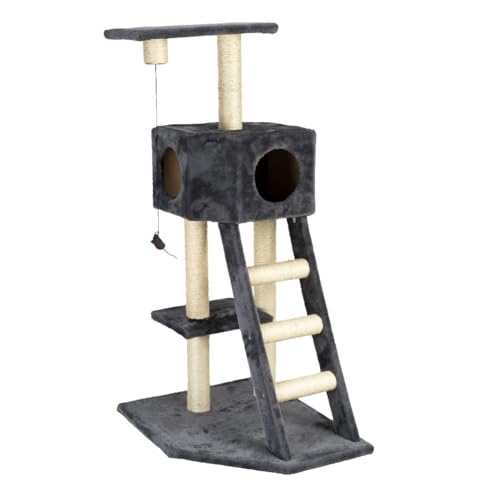
Cats are creatures of habit. A sudden change in the household, like a new pet, a move, new furniture, or even a change in your work schedule, can trigger anxiety. This often comes out as excessive meowing, pacing, or hiding. Your cat may be trying to tell you they feel unsafe or unsettled. To help them adjust, create safe zones with familiar scents and vertical spaces like cat trees. If allergies are a concern in your home, choosing a cat tree for cats with allergies can provide a low-dander refuge. Also, pheromone diffusers and consistent playtime can work wonders for an anxious cat.
3. They Are Hungry or Thirsty (and You Have Trained Them to Yell)
Sometimes, the reason is simple: your cat has learned that meowing gets them food. If you have ever given in to a persistent meow at 5 AM, you have reinforced the behavior. But a sudden increase in food-related meowing could also mean their bowl is empty more often. Check if their dry food has run out or if their water fountain is clogged. If you suspect your cat’s diet is causing digestive upset, a cat probiotic for cats with allergies can help settle their stomach and reduce discomfort that might be mistaken for hunger. To break the cycle, try feeding on a strict schedule and ignore demand meowing (as hard as that is).
4. They Are Getting Older and Experiencing Cognitive Decline
Senior cats, especially those over 10 years old, can develop feline cognitive dysfunction (similar to dementia in humans). This often causes disorientation, confusion, and increased vocalization, especially at night. Your cat may seem lost in a corner, stare at walls, or yowl for no apparent reason. If your older cat has suddenly become noisy, a vet check is important to rule out other issues like high blood pressure or vision loss. Keeping a consistent routine, using nightlights, and providing soft bedding can help them feel more secure.
5. They Are Bored or Want Your Attention
Some cats are simply more social and will meow to get you to play, pet them, or just talk back. If your cat is otherwise healthy and their environment has been stable, they might just be bored. Indoor cats especially need enrichment. Rotate their toys, set up bird feeders outside a window, or try puzzle feeders. Regular grooming sessions can also be a bonding activity that reduces attention-seeking meows. Using a cat brush for allergies can make grooming more comfortable for both of you, especially if dander is a concern. A tired cat is a quiet cat, so aim for at least two 10-minute play sessions a day.
6. They Are in Heat or Responding to Outdoor Cats
If your cat is not spayed or neutered, sudden meowing is often a mating call. Female cats in heat will yowl loudly and frequently, while unneutered males may respond to the scent of a female outside. Even fixed cats can react to outdoor cats wandering near windows or doors. If you notice your cat staring out the window and chattering or yowling, they may be seeing a rival or a potential mate. Blocking their view with frosted window film or closing curtains can reduce this trigger. If the meowing is related to territorial stress, a cat calming collar can help take the edge off.
Adult cats rarely meow at each other. Meowing is a behavior they specifically developed to communicate with humans. So when your cat meows, they are literally trying to have a conversation with you, not with other cats.
“A sudden change in your cat’s voice is like a check engine light. It does not always mean a breakdown, but you should always look under the hood.”
If you have ruled out the obvious triggers and your cat is still meowing excessively, keep a journal for a few days. Note when the meowing happens, what they are doing, and what seems to stop it. This information is gold for your veterinarian. And remember, never punish your cat for meowing. They are trying to tell you something, and your job is to listen, not to silence them.