If you have a cat, you know the scene: you walk through the door, and your cat immediately weaves between your legs, rubbing their head, cheeks, and body against your shins. Then they move to the couch, the table legs, the door frame, and even your laptop. It can feel like a full-time job just staying upright. But what is actually going on? Is your cat just being clingy, or is there a deeper reason for all that rubbing?
The short answer is: your cat is communicating. Rubbing against objects (and people) is a complex, instinctive behavior called bunting. It is a cat’s way of marking territory, showing affection, and even self-soothing. In this guide, we will break down exactly why your cat rubs against everything, what it means for their health and happiness, and when you should pay closer attention.
1. Scent Marking: Your Cat Is Claiming Their World
Your cat has scent glands on their cheeks, chin, forehead, paws, and the base of their tail. When they rub against a surface, they deposit pheromones, which are chemical signals that only other cats (and sometimes you, if you have a good nose) can detect. This is their way of saying, “This is mine, I am safe here, and I belong.”
Think of it as your cat leaving a signature on every piece of furniture, every corner, and every person they love. It is not about being possessive in a negative way. It is about creating a familiar, comforting environment. When your cat rubs your legs, they are essentially adding your scent to their territory and mixing it with theirs. This is a huge compliment, because it means they consider you part of their inner circle.
If you have multiple cats, you might notice them rubbing on the same spots. This is a peaceful way for them to create a shared group scent. It reduces conflict and helps everyone feel like they belong to the same colony. If you are dealing with odor issues from multiple cats, a good pet odor eliminator for multi-cat homes can help keep your space fresh without stripping away the calming pheromones your cats have worked so hard to place.
2. Affection and Bonding: Your Cat Is Saying “I Love You”
When your cat rubs their head against your hand or face, they are not just marking you. They are also showing deep affection. This behavior is often accompanied by purring, kneading, and a soft, relaxed body posture. In the feline world, head bunting is a social gesture that says, “I trust you, I am comfortable with you, and I enjoy your company.”
It is a vulnerable act. A cat’s head is sensitive, and they only rub it against someone they truly feel safe with. So the next time your cat shoves their face into your chin, remember: that is a kitty kiss. You can return the affection by gently rubbing their cheeks or chin, which mimics the same scent-exchange behavior and strengthens your bond.
If your cat is especially affectionate but also seems a bit anxious or overly clingy, a cat calming collar for allergies can provide gentle, drug-free support to help them feel more secure without changing their loving nature.
3. Stress Relief and Self-Soothing
Rubbing is not always about territory or love. Sometimes, it is about calming down. When a cat is feeling stressed, uncertain, or overstimulated, they will seek out familiar, scent-soaked surfaces to rub against. This releases feel-good pheromones that act like a natural anxiety reliever. It is their version of a deep breath or a comfort blanket.
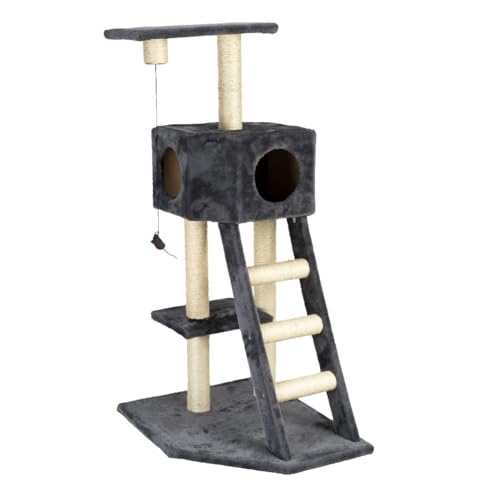
You might see this behavior after a move, a visit to the vet, the arrival of a new pet, or even after a loud noise outside. If your cat suddenly starts rubbing against everything more than usual, take note of any recent changes in their environment. Providing stable, scent-friendly furniture like a cat tree for cats with allergies can give them a dedicated, safe zone where they can rub, scratch, and relax without worrying about allergens building up.
Did you know that a cat’s forehead and cheek pheromones are so calming that synthetic versions are used in veterinary clinics to help reduce stress in hospitalized cats? That is why your cat loves rubbing their face on corners so much, it is literally medicine for their mood.
4. Scratching and Rubbing: A Dynamic Duo
Rubbing and scratching often go hand in hand. After a cat rubs their cheek on a scratching post, they will often turn and scratch the same spot. This is because scratching also deposits scent from glands in their paws, and it leaves a visible mark. Together, rubbing and scratching create a powerful message: “This spot is taken.”
If your cat is rubbing on furniture and then scratching it, they are not being destructive. They are following a natural instinct to maintain their territory and keep their claws healthy. The key is to provide appropriate outlets. A good scratching post that is tall, sturdy, and placed near where they already rub can redirect that behavior away from your sofa. For sensitive cats, look for a natural and allergen-free cat scratching post that won’t irritate their skin or respiratory system.
5. When Rubbing Might Signal a Health Issue
While rubbing is almost always normal, there are a few times when it could indicate a problem. If your cat is rubbing their head or face against walls, floors, or furniture excessively and repeatedly, it could be a sign of pain, dental issues, or an ear infection. This is called head pressing, and it is different from happy bunting. Head pressing is often accompanied by a dazed look, pacing, or pressing the head into a corner for long periods.
Another red flag is if your cat is rubbing so much that they are losing fur on their cheeks or chin. This could point to allergies, skin infections, or parasites. If your cat seems itchy, sneezes a lot, or has watery eyes along with the rubbing, allergies might be the culprit. Regular grooming with a cat brush for allergies can reduce dander and keep their coat healthy, which may help reduce allergy-related rubbing. However, if the behavior is new, intense, or paired with other symptoms like lethargy or appetite loss, please ask your vet to rule out underlying medical conditions.
“A cat rubbing against you is not just a greeting. It is a declaration of belonging. They are saying, ‘You are part of my world, and I am part of yours.'”
6. How to Support Your Cat’s Rubbing Instincts
The best thing you can do is embrace it. Provide plenty of safe, clean surfaces for your cat to rub on. This includes cat trees, scratching posts, cardboard scratchers, and even soft blankets that you can rotate. Keep their environment stable and predictable, because a stressed cat will rub more often, but not always in a happy way.
If you have allergies yourself, you can still enjoy a close bond with your cat. Regular vacuuming, using an air purifier, and washing your cat’s bedding frequently will help. You can also talk to your vet about probiotics. A cat probiotic for cats with allergies can support your cat’s immune system and skin health, which may reduce excessive rubbing caused by itchiness. And remember, every rub is a little love note. Enjoy the attention, because in the cat world, you have just been chosen.